
 New documents show how a retail chain’s sales practices helped put guns on US streets
  Singapore a battleground of commodities fraud lawsuits
  From Propagandist to Criminal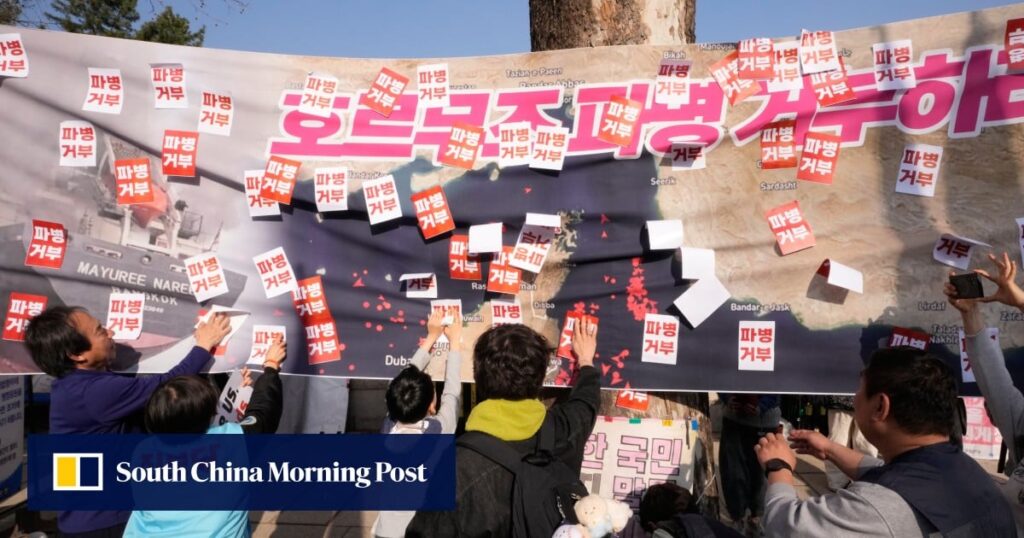
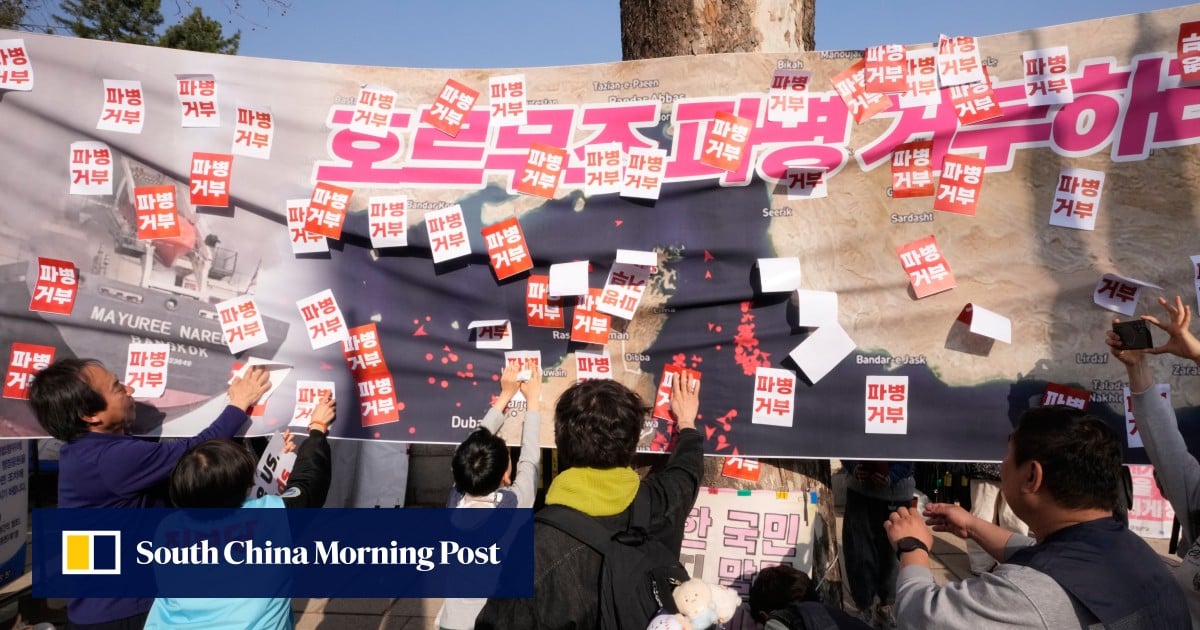
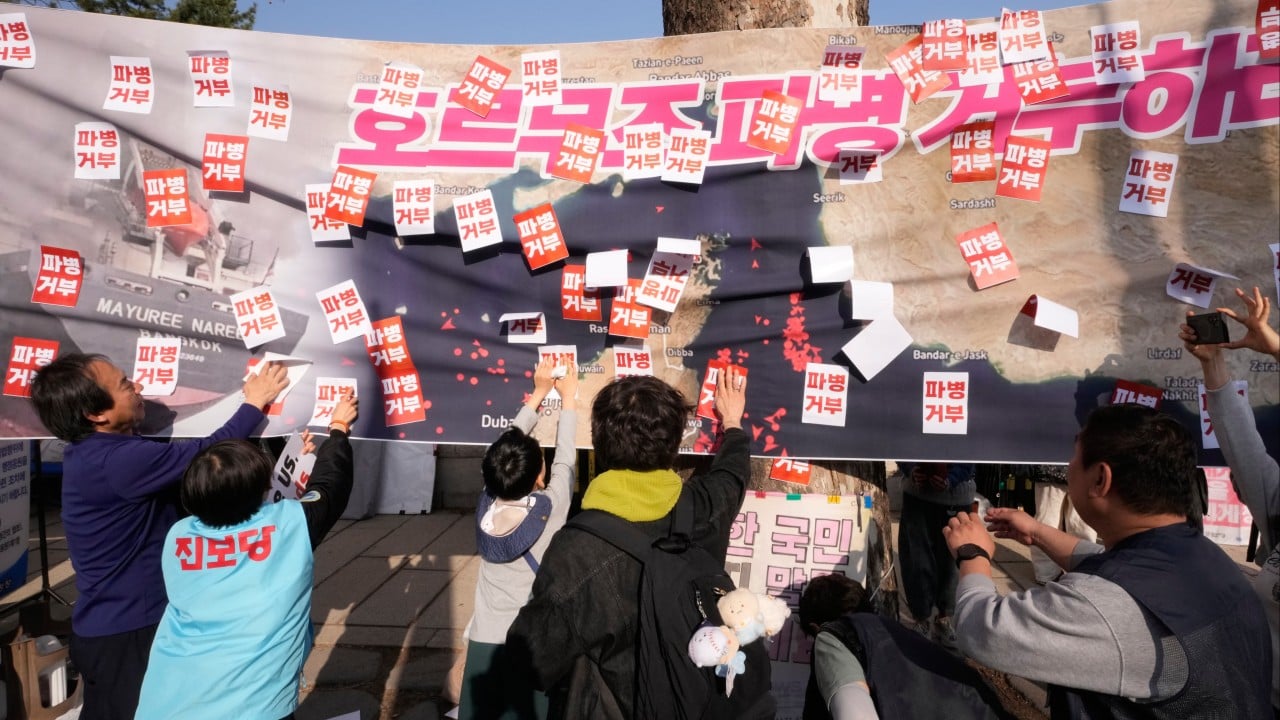
But analysts believe the relationship can withstand the strain, pointing to deep institutional ties between the two militaries, broad elite and public support in both capitals, and the reluctance of other US allies to back Trump’s campaign against Iran.
The assessment came after Trump targeted Seoul for declining to send warships to help reopen the strait, which Tehran blockaded in retaliation for US-Israeli strikes that began on February 28, choking off a waterway that carries roughly a fifth of the world’s seaborne oil.
Advertisement
At a White House event last week, Trump told reporters that European and Asian governments – not Washington – should be policing the chokepoint.
“Let South Korea, who was not helpful to us, by the way – we only have 45,000 soldiers in harm’s way over there, right next to a nuclear force. Let South Korea do it,” Trump said on April 1.
Advertisement
Trump is said to have inflated the number of US troops in South Korea, which stands at 28,500.
Don't Miss:
-
Former American Idol singer Caleb Flynn sentenced to life in prison for wife’s murder
-
Bogota mayor presses Chinese-led consortium for more metro workers as auditors flag delays
-
ICC unseals arrest warrants for 4 Taliban leaders wanted on gender persecution charges
-
Quebec votes in provincial election as separatist surge poses test for Canada’s PM Carney
-
“Here, We Confront Drug Traffickers Daily… And The U.S.?”