
 Bhutan’s ‘Mindfulness City’ to Link to India by Rail
  Cracks in the Sand: Gulf Monarchies’ Economic and Geopolitical Peril
  Shipping Containers: New Threat Multiplier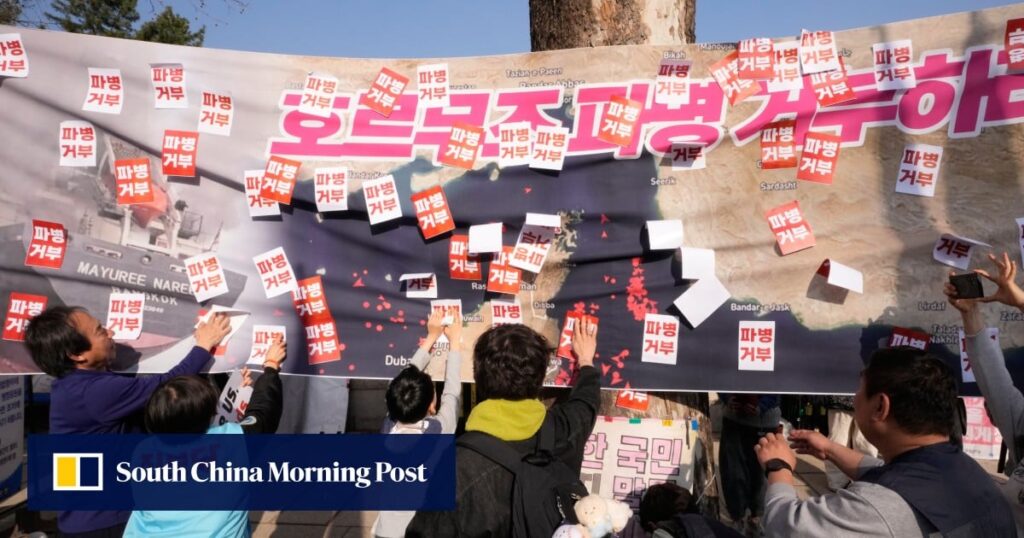
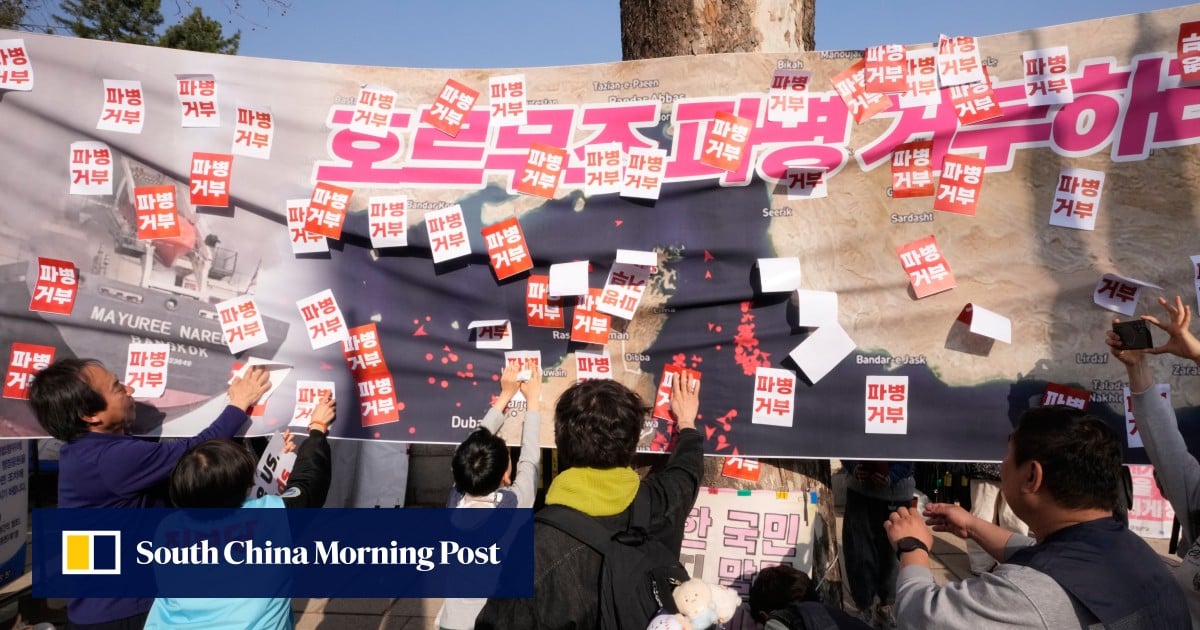
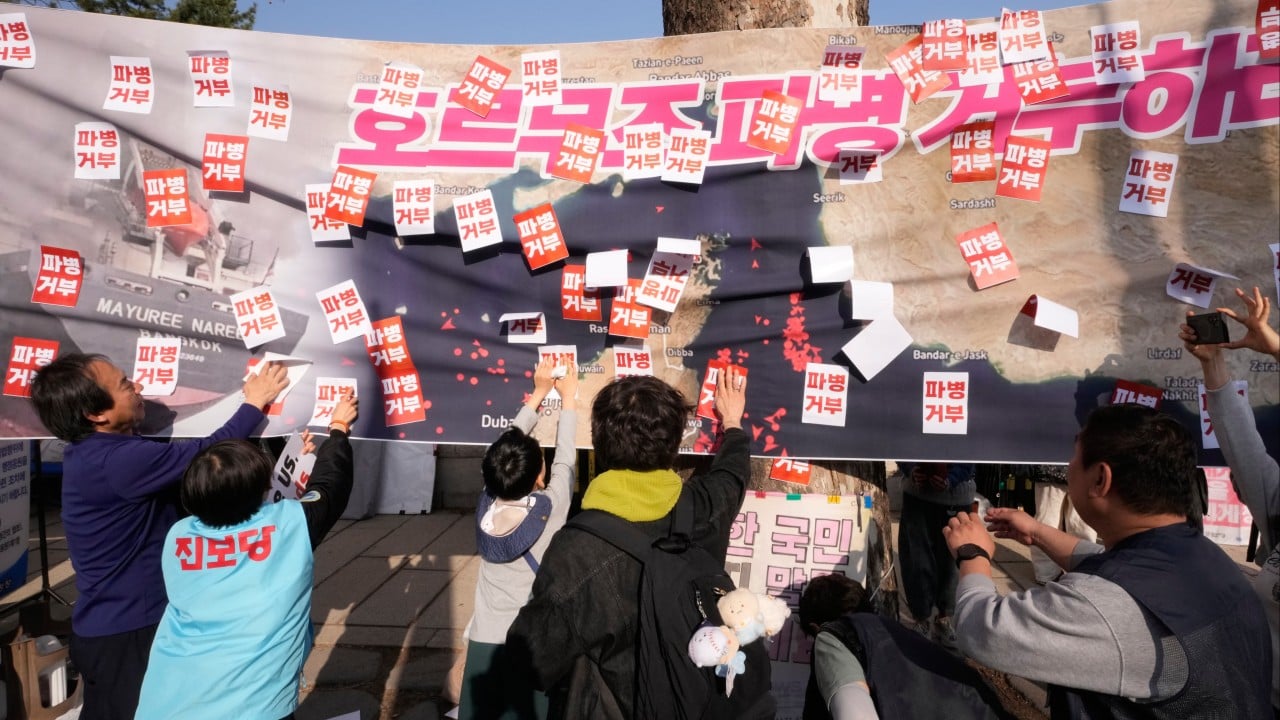
But analysts believe the relationship can withstand the strain, pointing to deep institutional ties between the two militaries, broad elite and public support in both capitals, and the reluctance of other US allies to back Trump’s campaign against Iran.
The assessment came after Trump targeted Seoul for declining to send warships to help reopen the strait, which Tehran blockaded in retaliation for US-Israeli strikes that began on February 28, choking off a waterway that carries roughly a fifth of the world’s seaborne oil.
Advertisement
At a White House event last week, Trump told reporters that European and Asian governments – not Washington – should be policing the chokepoint.
“Let South Korea, who was not helpful to us, by the way – we only have 45,000 soldiers in harm’s way over there, right next to a nuclear force. Let South Korea do it,” Trump said on April 1.
Advertisement
Trump is said to have inflated the number of US troops in South Korea, which stands at 28,500.
Don't Miss:
-
Solid-state battery firms in China and US line up IPOs as oil prices lift EV appeal
-
Can a ‘community with a shared future’ prevail over zero-sum rivalry?
-
Thailand snatches US$260 million from cross-border scammers in ‘decisive’ crackdown
-
Public outrage as Chinese man takes part in matchmaking event while wife goes to toilet
-
Filmmaker accuses school of ‘blatantly lying’ in row over documentary screening