
 Rick Claypool on Pay to Play Corporate Crime Enforcement
  Labaton Launches Whistleblower Practice with Former SEC Acting Chair Allison Herren Lee
  Kremlin payment firm A7 has been pumping billions in ‘untraceable’ cash into global financial system
 Advertisement
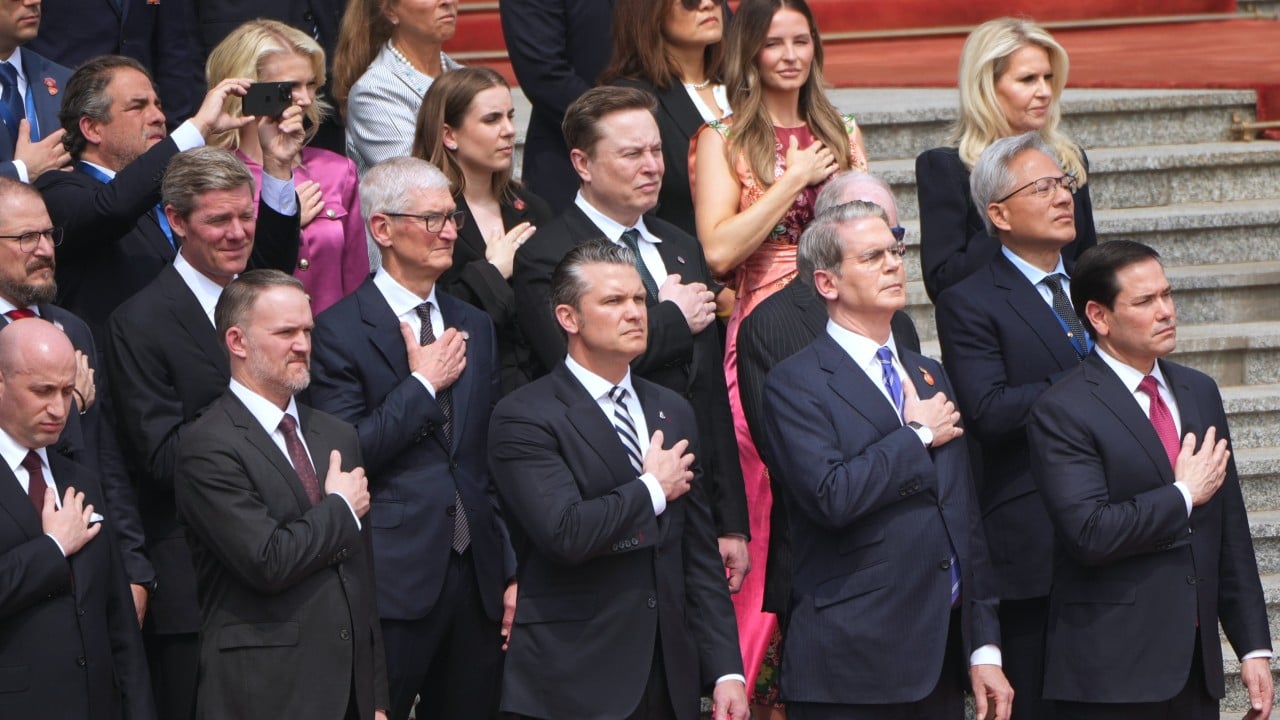
The tension is not accidental. It reflects the limits of economic statecraft in an interconnected system. For American firms, China remains both a critical market and an integral part of global supply chains. Even after export controls and investment restrictions, the architecture of production – from components to assembly – continues to run through Chinese networks. The idea that these links could be quickly or cleanly severed has always been overstated.
Trump’s approach does not resolve this contradiction so much as acknowledge it. Bringing corporate leaders into the diplomatic orbit is less about softening competition than managing it. If a full decoupling is unrealistic, then the alternative is to shape the terms of interdependence rather than abandon it altogether. Engagement, in this sense, becomes a tool of influence – not a concession.
Advertisement
Don't Miss:
-
A Total of 13 Mass Graves Have Been Found in Viesca Containing the Charred Remains of Men and Women
-
Jorge Luis Zambrano, alias “Rasquiña”
-
El Taliban Fell In Mazatlán… And What He Confessed Ties Everything Together
-
Inside the Camp at the Heart of Honduras’ Garífuna Land Struggle
-
This Is How the MataZetas Captured and Executed the Zetas