
 Indonesia Finance Minister Firing Exposes Policy Disarray
  When Great Powers Talk, Who Speaks for Asia
  About the China Capital investigation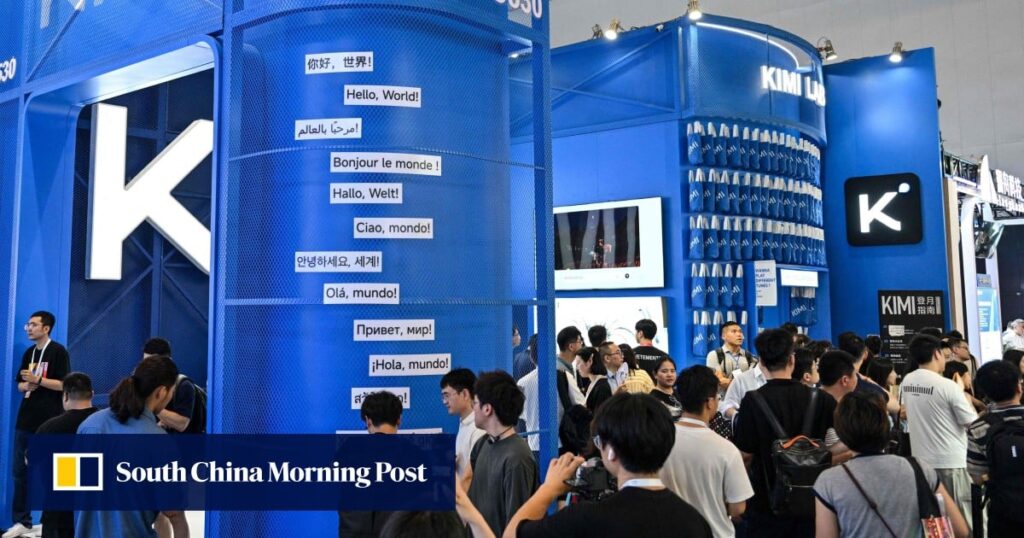
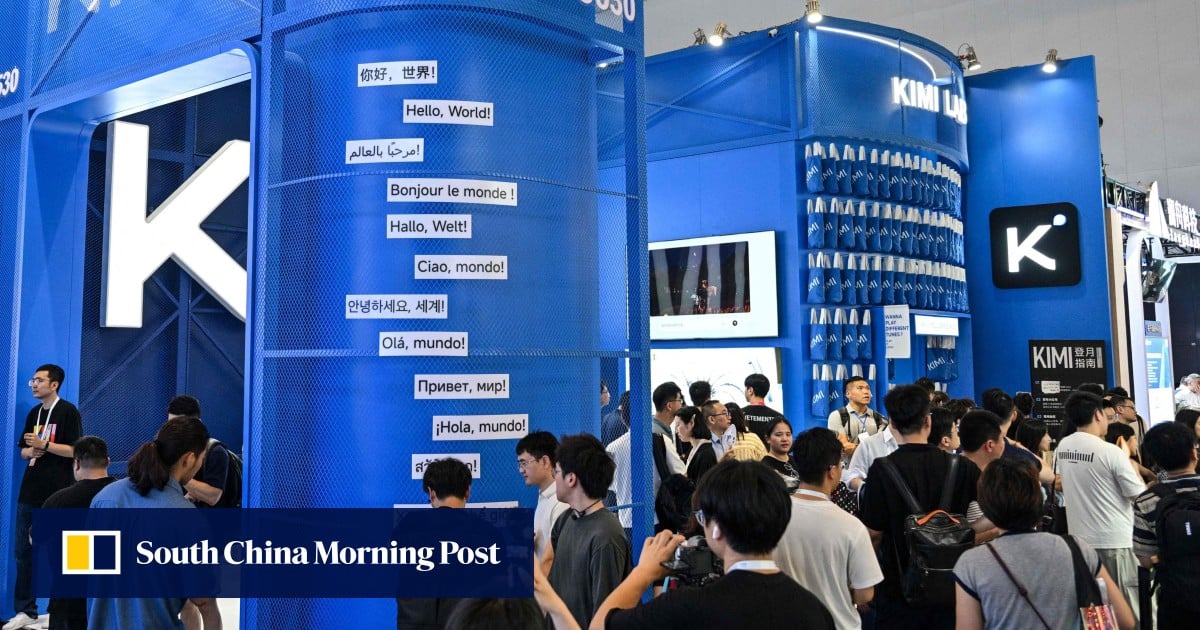
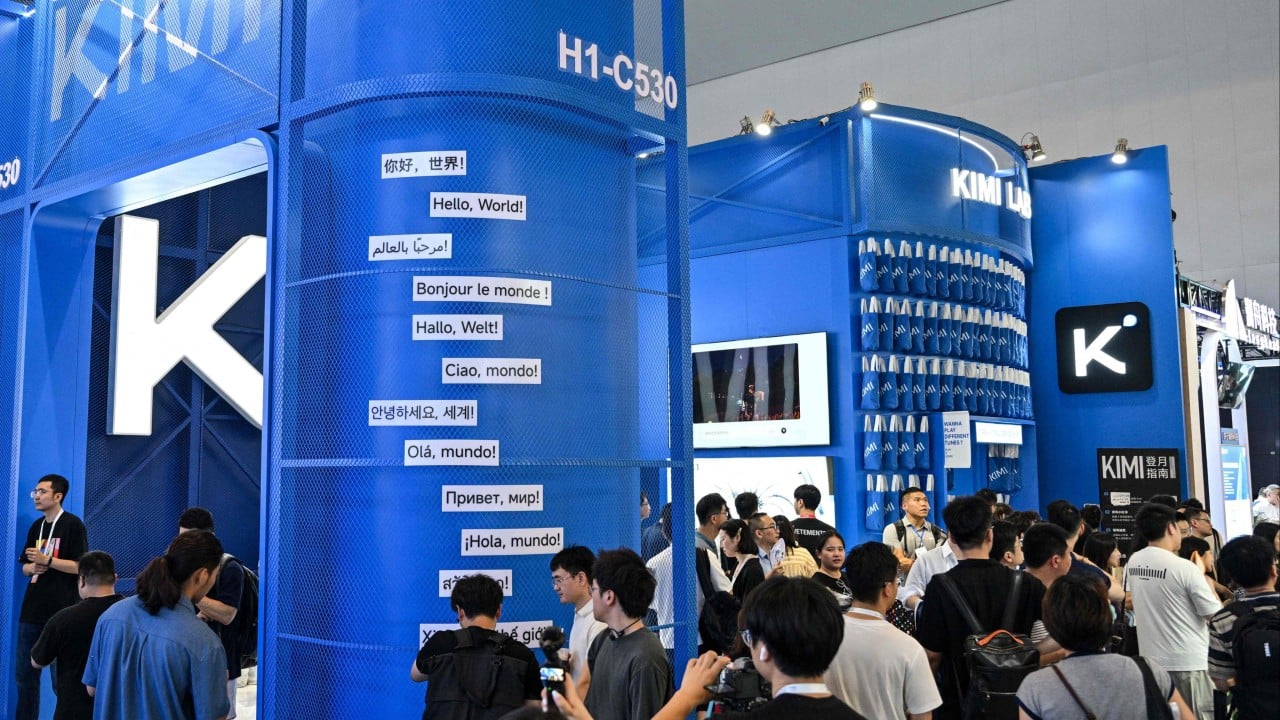
The Beijing-based unicorn released the Kimi K3, a massive 2.8 trillion-parameter large language model, late last week. According to the company, the model featured native vision capabilities and was built for long-horizon coding, knowledge work and complex reasoning tasks.
The model’s performance has toppled the “conventional wisdom” that the best Chinese models lag six to eight months behind their American counterparts, Ryan Fedasiuk, a fellow at the American Enterprise Institute, wrote on Saturday in a report titled “China has caught up in frontier AI”.
“That gap has now closed to something approaching a matter of weeks,” Fedasiuk said.
While surpassing GPT-5.6 Sol and Claude Fable 5 on certain benchmarks – such as Arena AI’s ranking for front-end code development – Kimi K3 remains significantly cheaper than its US alternatives, despite being pricier than other Chinese models.
Don't Miss:
-
The Cultured Ways Of A Mayiza Member
-
Paris court awards Kim Kardashian €1 after 2016 armed robbery
-
Scott Bessent confirms weekend meeting with He Lifeng days before Xi’s US visit
-
Paris court convicts school aide for sex abuse, orders ankle tag
-
Japan jails man for forcing Thai girl, 12, into sex work