
 Michael Marx on Corporate Campaigns in the USA
  Losing language and culture in Xinjiang
  Manila’s EV ambitions confront economic and energy realities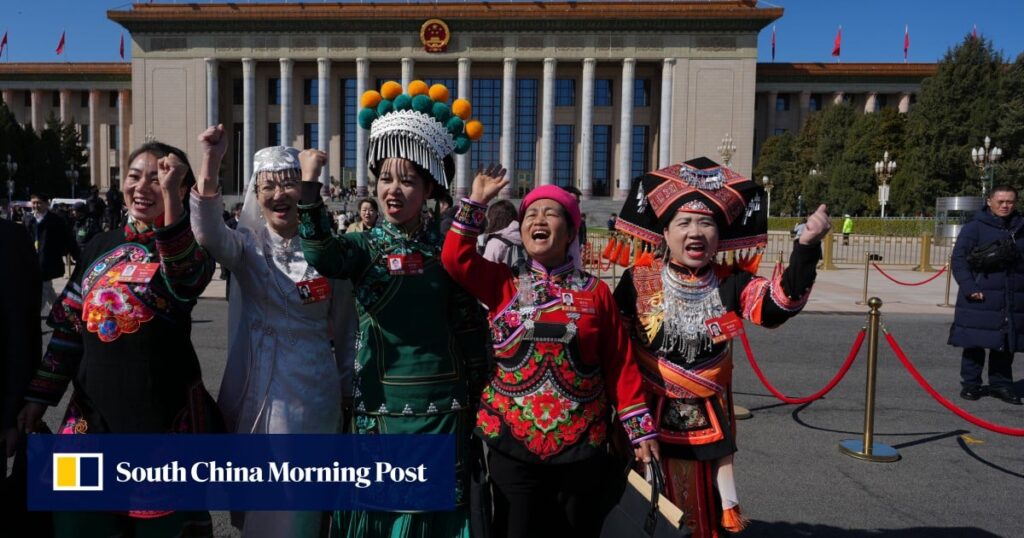
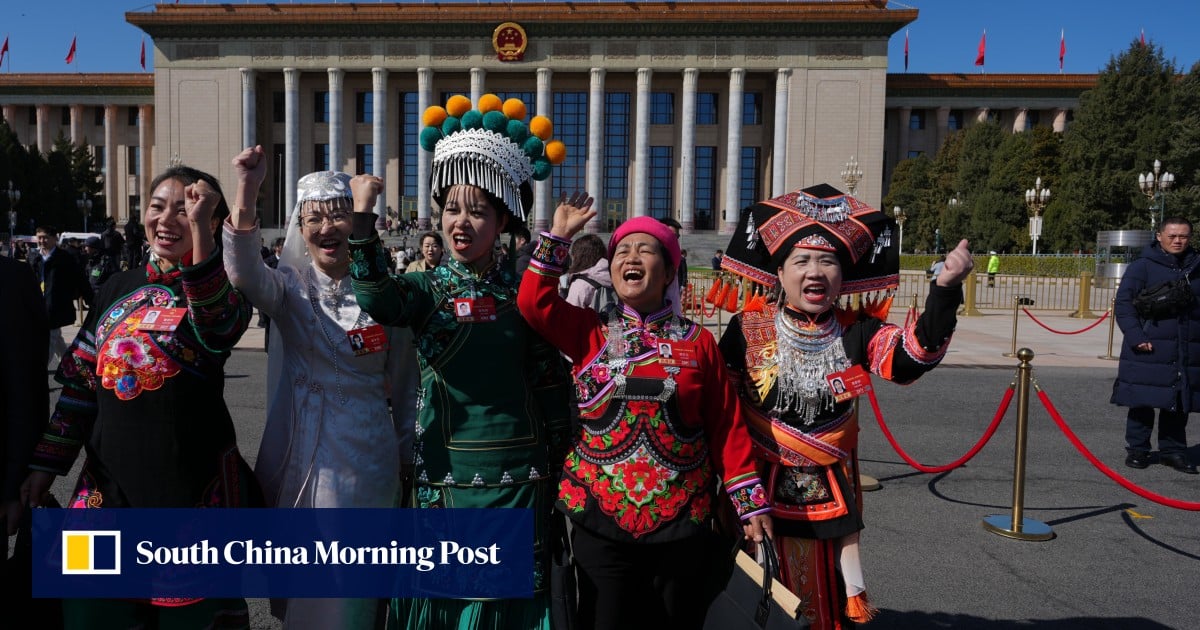
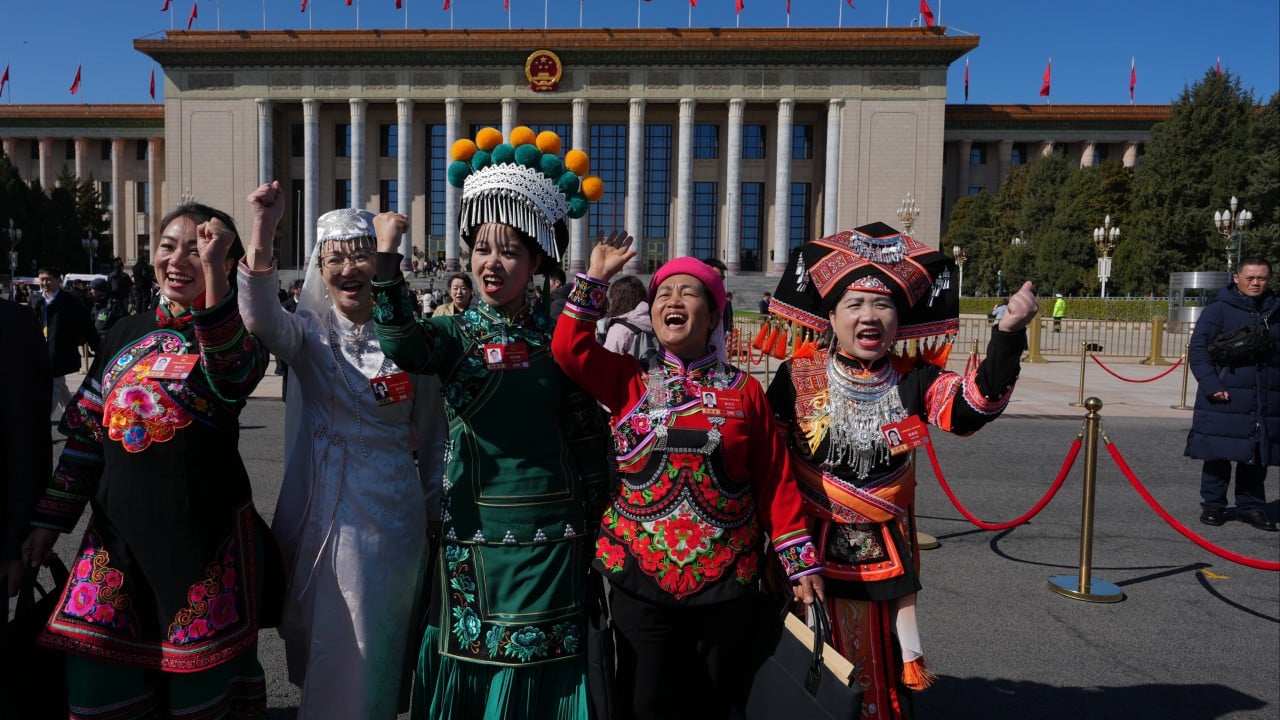
China’s new law on ethnic unity signals a shift in Beijing’s focus from handling specific ethnic matters to assimilation, according to a party ethnologist.
However, it has triggered concerns from the United States and the European Union about forced assimilation and the potential for “extraterritorial application”.
An article about the law published in the Beijing Daily on Monday sought to clarify the fundamental transition in China’s ethnic policy.
“The enactment of the law means that the focus of China’s ethnic work is shifting from ‘transactional governance’ to ‘holistic governance’ focused on the building of the Chinese national community,” it said.
The article was written by Chen Shanshan, an ethnologist from the Central Party School, the training ground for China’s senior officials. The school also forms part of a nationwide system that President Xi Jinping considers key to the ideological purity of the Communist Party.
Don't Miss:
-
Tiguerones Leader ‘Willy’ Is Living Free in Spain
-
Video Shows CJNG Member Burying Landmine in Apatzingán, Michoacán
-
Explosives Workshop Raided after Shootout in Balleza, Chihuahua
-
The Eccentric Extravagances of “Captain Sol”: 12 Properties, a Penthouse in Tulum, and Casino Spending
-
Fight at Mazatlán Prison Leaves 10 Dead: A 2-Year-Old Boy Died During a Family Visit