
 Michael Marx on Corporate Campaigns in the USA
  Losing language and culture in Xinjiang
  Manila’s EV ambitions confront economic and energy realities
 Previous solutions have failed to rein in the problem, but the government is hoping that the threat of massive fines may finally free ticket seekers from the grips of predatory scalpers.
From August 28, amendments to the National Sports Promotion Act and Performance Act will allow authorities to impose penalties of up to 50 times the resale price of a ticket, a sharp escalation from the maximum fine of 10 million won (US$6,600) introduced under laws that took effect in March 2024.
Earlier efforts to curb scalping focused largely on “macro” programmes – software tools that can click through ticketing pages and buy seats faster than any human user. But recent cases show the problem has moved beyond simple bot-buying and into more elaborate attempts to game systems that require a verified identity.
In March, police arrested 16 members of a scalping ring accused of reselling more than 33,000 tickets for about 190 concerts between October 2022 and the end of 2025, generating 7.1 billion won (US$4.7 million) in illegal profits.
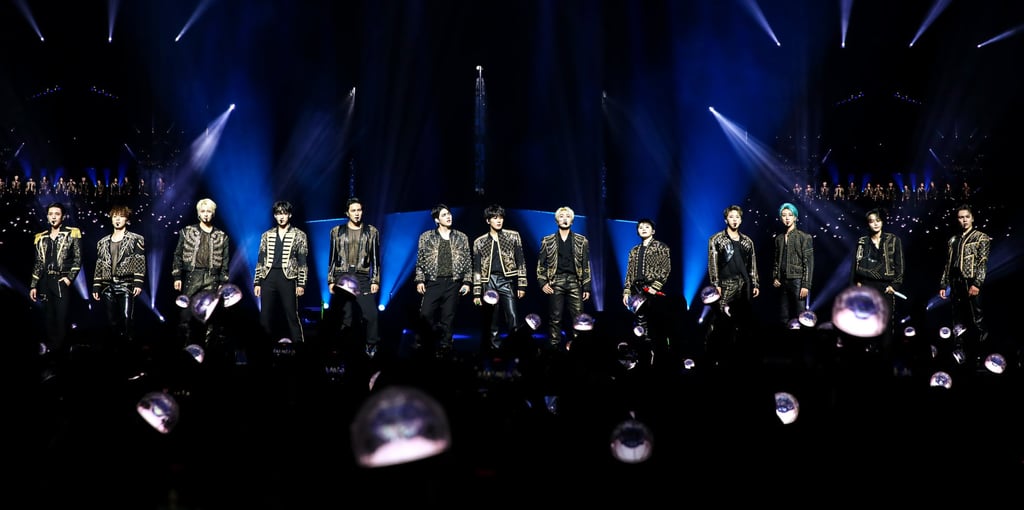
The group allegedly used AI-powered macros to stockpile tickets before ordinary fans could access them.
Don't Miss:
-
A Blow to the Caborca Cartel! ‘El Cara de Cochi,’ Wanted in the U.S. for Fentanyl, Is Captured
-
Tiguerones Leader ‘Willy’ Is Living Free in Spain
-
Video Shows CJNG Member Burying Landmine in Apatzingán, Michoacán
-
Explosives Workshop Raided after Shootout in Balleza, Chihuahua
-
The Eccentric Extravagances of “Captain Sol”: 12 Properties, a Penthouse in Tulum, and Casino Spending