
 The Taliban’s New War Begins at Home
  Panama removed from EU’s tax haven ‘blacklist’ a decade after the Panama Papers
  Crackdown and Controversy: The Battle Over Beach Bars and Noise in Phuket’s Bang Tao
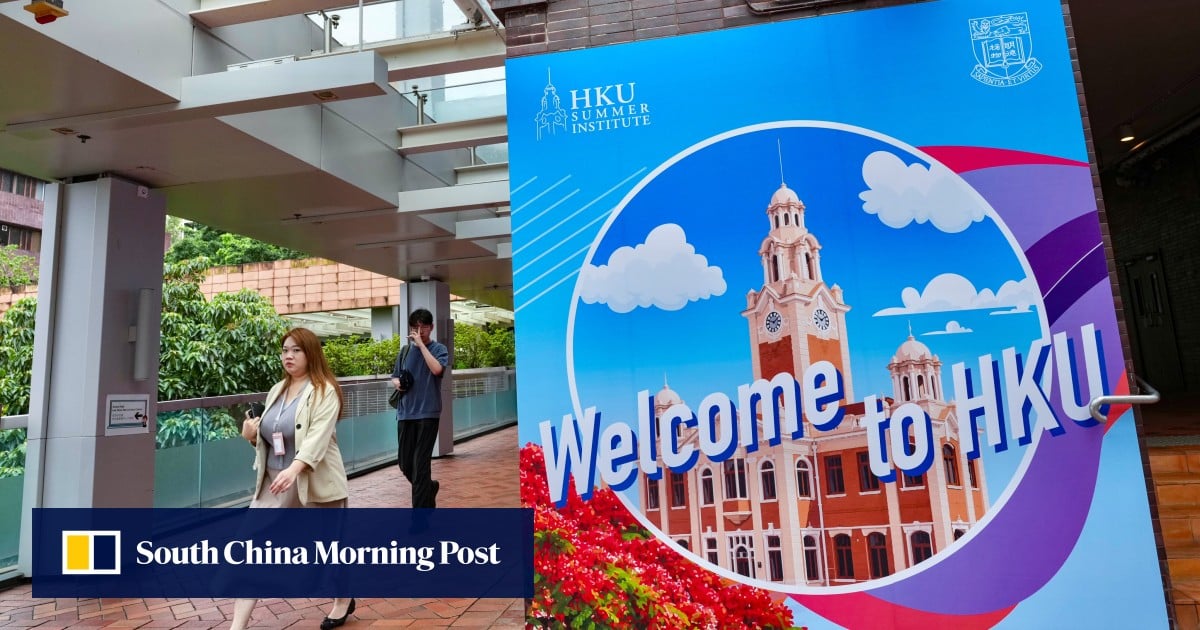
The global higher education landscape has shifted markedly over the past five years, with universities across Asia, particularly in Hong Kong and mainland China, climbing international rankings while more than 70 per cent of US institutions slipped, a South China Morning Post analysis has found.
UK-based education data firm Quacquarelli Symonds (QS) said the trend signalled that excellence in higher education was no longer dominated by a handful of Western countries, attributing the improved performance of Chinese universities in part to rising research funding.
The firm said Asian universities were likely to continue gaining ground, particularly in research impact, innovation and regional influence, though it did not expect a sudden displacement of Western institutions.
“The global higher education landscape is becoming more competitive, more geographically diverse and increasingly defined by multiple centres of excellence rather than a single dominant region,” QS said.
The United States, long seen as an education powerhouse, saw 73 per cent of its universities fall in the rankings over five years, with eight dropping out of the top 200 – among the weakest performances globally.
But the firm said: “The key story is not the decline of the West.
Don't Miss:
-
Drug Trafficking, U.S. Banks, and the Economic Reality Under Trump
-
Ivan’s Mob Beheads A Los Mayos Member
-
Ex-OFAC Official: The Cartel Risk Companies Can’t See | The InSight Take
-
Why Ecuador Is Losing Its Fight Against Organized Crime
-
‘El Cromo’ Arrested in Guadalajara; He Is Linked to a Group Affiliated with the CJNG