
 Questions swirl around US plans for record $15B Prince Group crypto seizure
  Donate to ICIJ
  Chelsea FC fined millions over secret payments under Abramovich ownership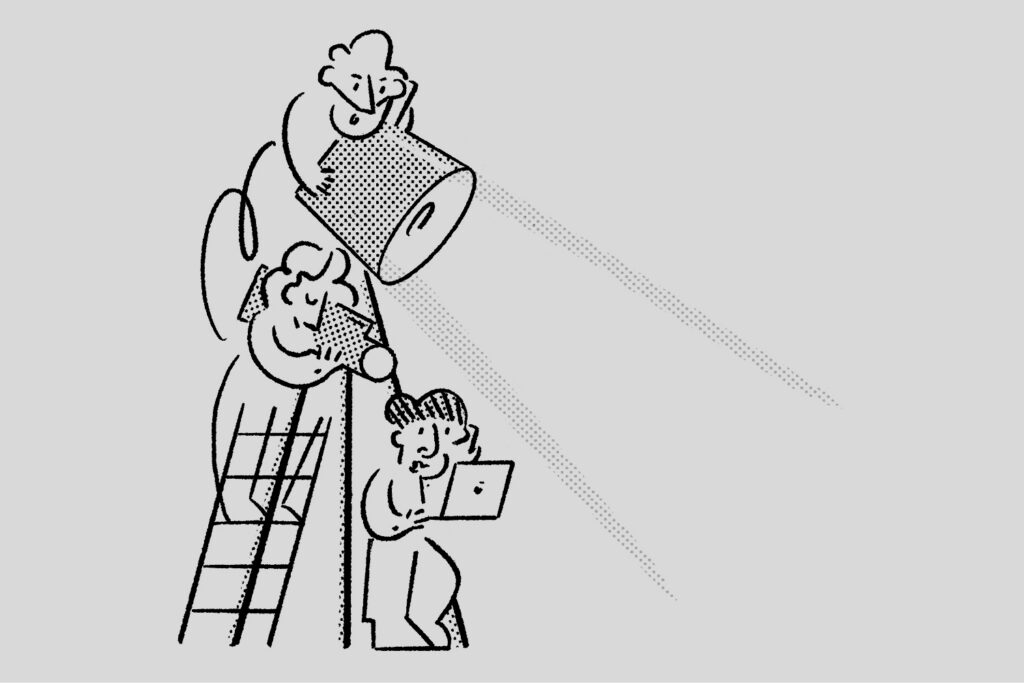
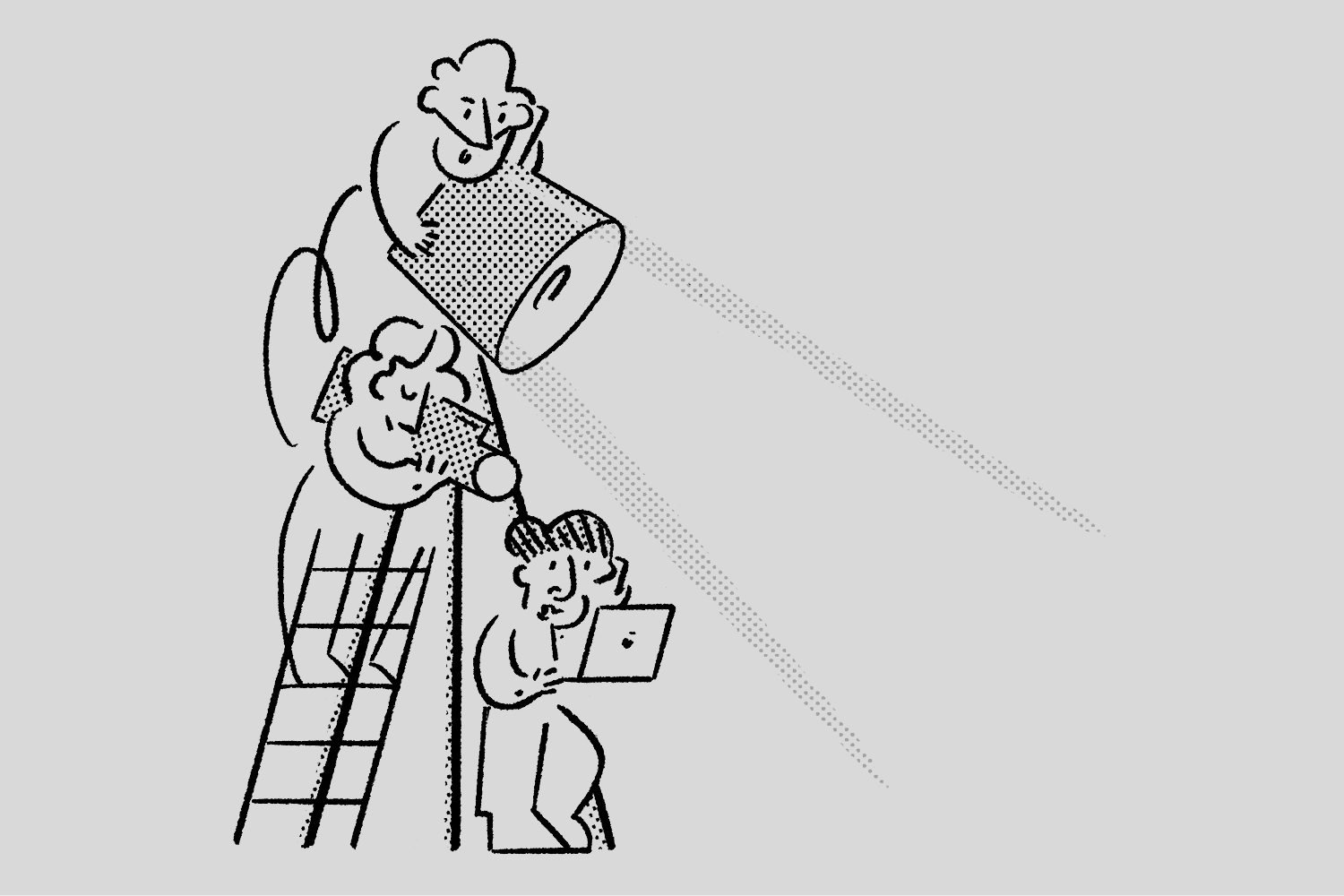
Journalism often claims to serve the public and expose wrongdoing. But too often, the people at the very heart of the story never see it because it’s buried behind paywalls, in the wrong language, or on platforms they don’t use. This month’s episode is in three parts:
– Part 1: Beatriz and Tessa speak with Cynthia Gichiri, a multimedia journalist at Africa Uncensored, who took a story about the health dangers of pesticides on the road through rural Kenya to get it to the farmers most at risk.
– Part 2: A conversation to Mazin Sidahmed, who co-founded Documented, a newsroom that was designed from the ground up to serve immigrant communities in New York City in the languages they speak on the platforms they already use.
– Part 3: 5 practical things journalists at any outlet can do to make sure their reporting reaches affected communities.
From WhatsApp group chats to community screenings, this episode is about getting reporting out of the newsroom and into people’s hands.
You can also listen to the episode on Spotify, Apple Podcasts and YouTube.
Hosts: Beatriz Ramalho da Silva, Tessa Pang
Sound design, mixing and editing: Spoovio – Audiovisual Productions
Don't Miss:
-
5 Models of Criminal Control Over Fentanyl Markets in Northern Mexico
-
How Fentanyl Was Introduced in Mexico’s Local Drug Markets
-
How Criminal Decisions Over the Drug Market Impact Public Health in Northern Mexico
-
‘You Can’t Live Without Us’: How Big Oil Pivoted from Climate-friendly Messaging to Normalise Dependence on Fossil Fuels
-
Big Oil Knew It Was Wrecking Louisiana’s Coast, Records Show