
 New documents show how a retail chain’s sales practices helped put guns on US streets
  Singapore a battleground of commodities fraud lawsuits
  From Propagandist to Criminal
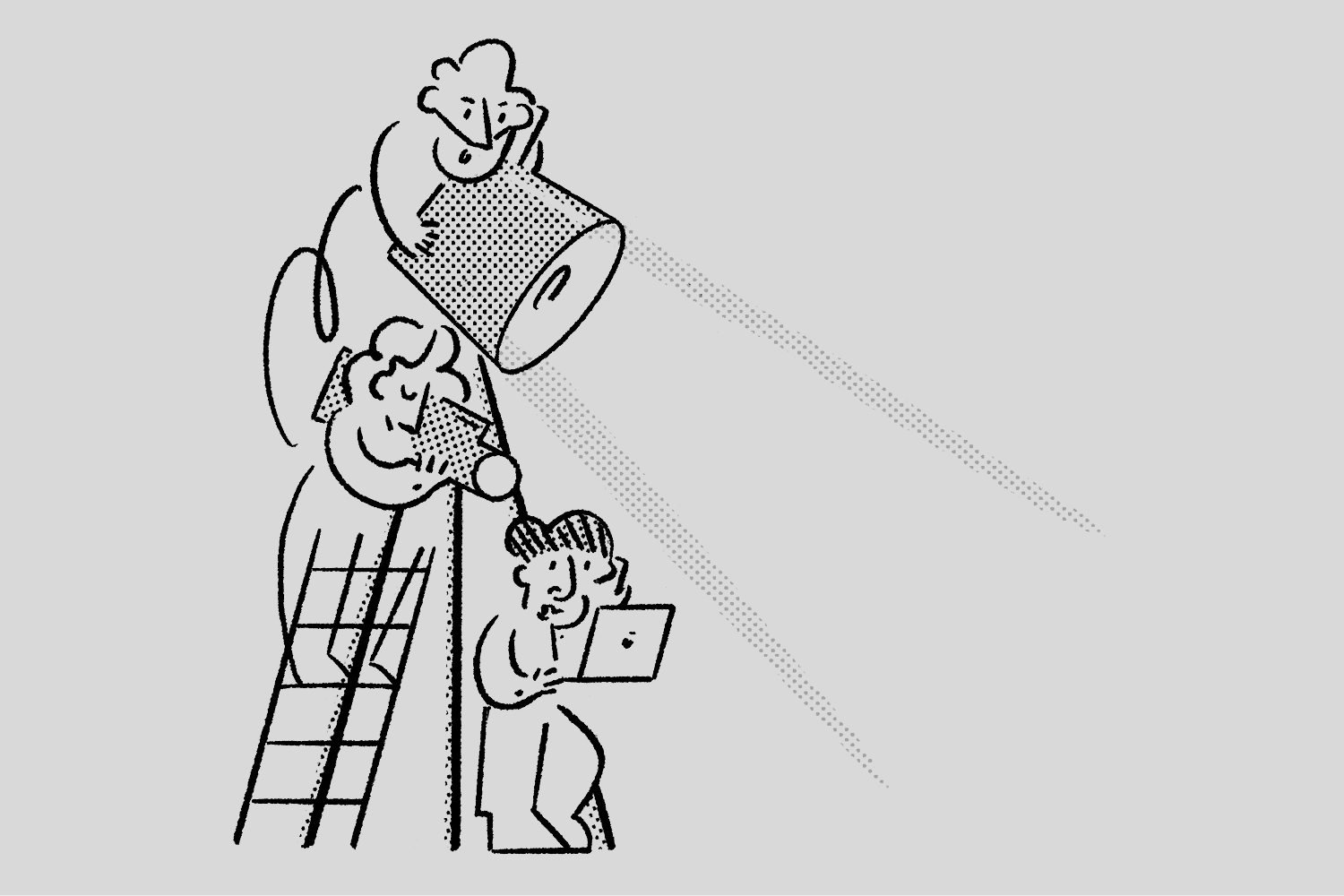
Journalism often claims to serve the public and expose wrongdoing. But too often, the people at the very heart of the story never see it because it’s buried behind paywalls, in the wrong language, or on platforms they don’t use. This month’s episode is in three parts:
– Part 1: Beatriz and Tessa speak with Cynthia Gichiri, a multimedia journalist at Africa Uncensored, who took a story about the health dangers of pesticides on the road through rural Kenya to get it to the farmers most at risk.
– Part 2: A conversation to Mazin Sidahmed, who co-founded Documented, a newsroom that was designed from the ground up to serve immigrant communities in New York City in the languages they speak on the platforms they already use.
– Part 3: 5 practical things journalists at any outlet can do to make sure their reporting reaches affected communities.
From WhatsApp group chats to community screenings, this episode is about getting reporting out of the newsroom and into people’s hands.
You can also listen to the episode on Spotify, Apple Podcasts and YouTube.
Hosts: Beatriz Ramalho da Silva, Tessa Pang
Sound design, mixing and editing: Spoovio – Audiovisual Productions
Don't Miss:
-
‘People’s Rights Are Being Signed Away,’ Claim Albertans Near Proposed Carbon Capture Project
-
Exclusive: Pig and Poultry Air Pollution Costs UK Over £130 Million a Year
-
Fossil Fuel Trade Group Chief Says Approving Rosebank and Jackdaw Would be ‘Climate Leadership’
-
AI Was Supposed to Cut Emissions. Instead, Fossil Fuel Companies Are Using It to Find More Oil and Gas.
-
Tony Blair Institute Brings Gas-Guzzling Tech Giants to Labour Conference