
 Trump administration gave firm with ties to ballroom donor the green light to do business with a sanctioned Russian bank
  School shootings in the Philippines put gun access under scrutiny
  Statement on missing ICIJ journalist Micah Reddy
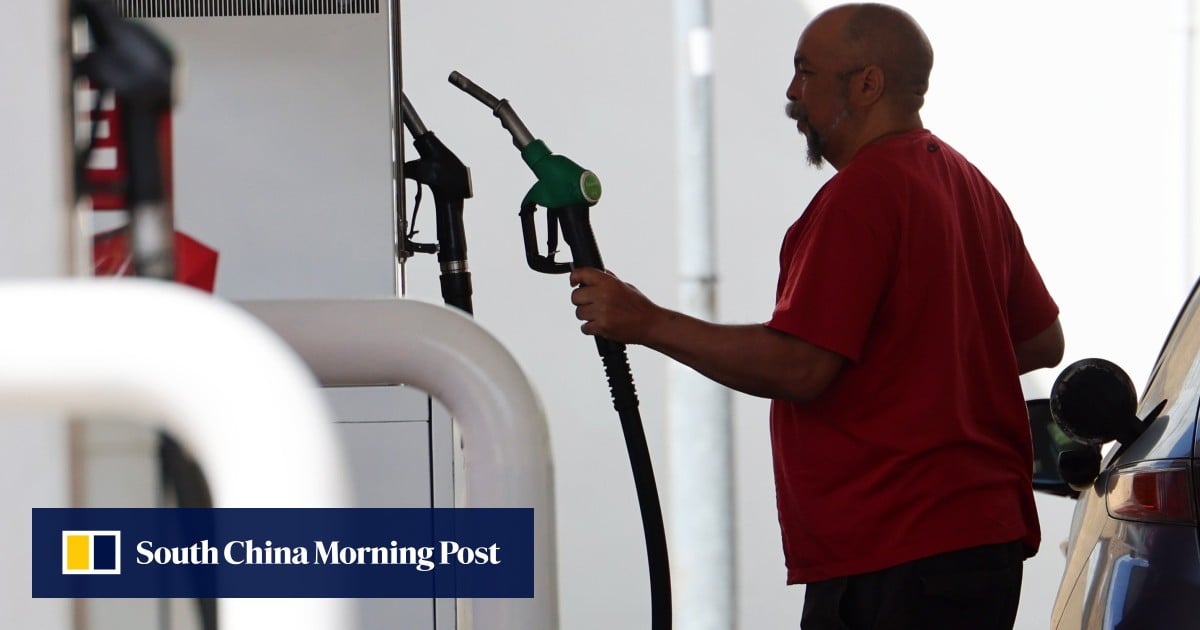
As the US imposes its own blockade on shipping through the Strait of Hormuz following the collapse of talks with Iran at the weekend, we take a look at how major economies in Asia and Europe could be affected by further restrictions on passage through one of the world’s most critical choke points for energy supplies.
Who is most vulnerable in this energy crisis?
According to a recent report by Japanese investment bank Nomura, the regions most exposed to the tensions in the Persian Gulf are Asian economies, excluding China, followed by Europe. Asian economies are the primary destination for cargo passing through the Strait of Hormuz.
Among the most vulnerable net energy importers are Thailand, India, Indonesia, the Philippines, Germany, Italy and the United Kingdom.
The report said the impact would be more limited for major economies such as the United States and China, as well as for Canada, Norway, Spain, South Korea, Malaysia and Singapore.
Advertisement
However, Energy World Mag, an energy-focused data platform, said: “Over 97 per cent of Singapore’s energy comes from fossil fuels, leaving the country with no alternative if gas or oil imports get disrupted.”
How much do some affected economies rely on energy from the Middle East?
According to Nomura, more than 90 per cent of crude oil imports in Japan and the Philippines come from the Middle East, while 60 per cent of India’s liquefied natural gas (LNG) supplies are sourced from the region, leaving them highly exposed to supply concentration risks.
Advertisement
Don't Miss:
-
Former top PLA generals expelled from Communist Party for factionalism and disloyalty
-
Foreign chambers back Hong Kong 5-year plan, urge progress on Northern Metropolis
-
Subsidised physiotherapy places slashed by third amid graduate job crunch
-
As AI safety fears mount, can a US-China hotline prevent a global crisis?
-
South Korea gets a new internet star as Busan shark sighting goes viral