
 Rick Claypool on Pay to Play Corporate Crime Enforcement
  Labaton Launches Whistleblower Practice with Former SEC Acting Chair Allison Herren Lee
  Kremlin payment firm A7 has been pumping billions in ‘untraceable’ cash into global financial system
The global energy crisis stemming from the effective closure of the Strait of Hormuz has added complexity to already competitive China-India maritime relations.
The bottleneck in the Gulf has disrupted the provision of vital supplies of oil, gas and fertilisers to Asia, underscoring the fragility of global supply chains and the significance of trade chokepoints.
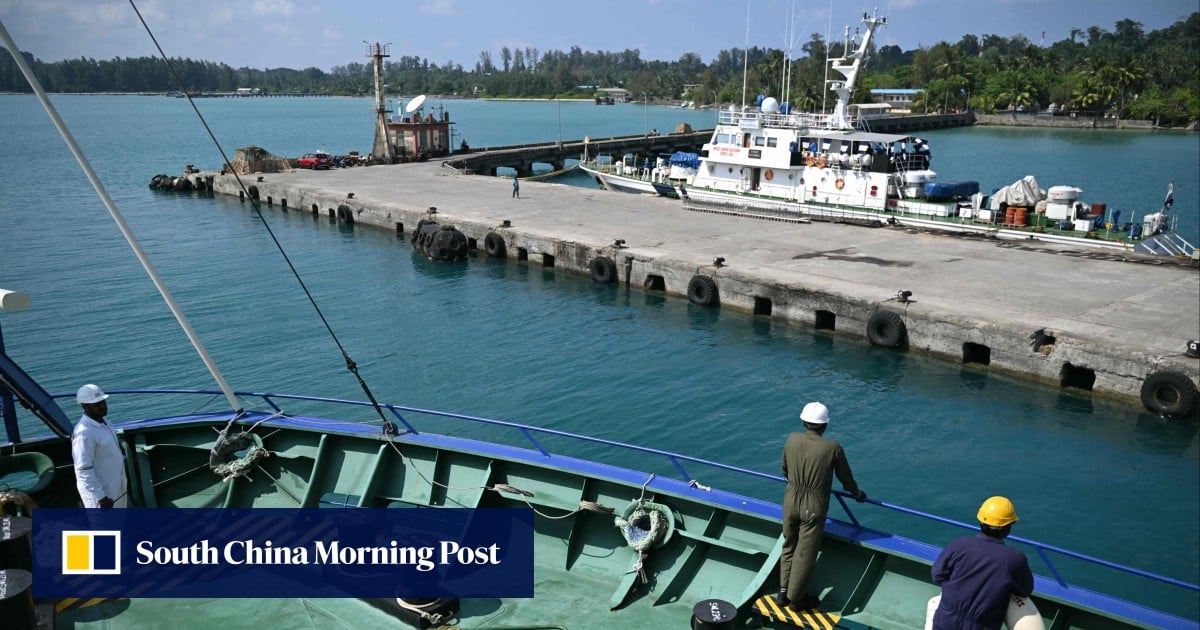
Amid uncertainty over the Strait of Hormuz’s reopening, India’s US$10 billion plan to transform remote Great Nicobar Island into a major defence and logistics hub near the strategically critical Strait of Malacca has gained momentum.
Advertisement
Great Nicobar, a 921 sq km (356 square mile) island wrapped in dense prehistoric rainforest, sits at the southernmost edge of India in the Andaman and Nicobar island chain some 1,200km (746 miles) from the mainland but less than 150km from the Strait of Malacca’s western entrance.
Advertisement
Amid the Hormuz blockade, supporters of the Indian project, including some of the country’s military veterans, argue it would enable New Delhi to “control” or disrupt Chinese supply chains and worsen its “Malacca dilemma”.
Don't Miss:
-
A Total of 13 Mass Graves Have Been Found in Viesca Containing the Charred Remains of Men and Women
-
Jorge Luis Zambrano, alias “Rasquiña”
-
El Taliban Fell In Mazatlán… And What He Confessed Ties Everything Together
-
Inside the Camp at the Heart of Honduras’ Garífuna Land Struggle
-
This Is How the MataZetas Captured and Executed the Zetas