
 Would a Big Alaska LNG Deal make Taiwan Safer?
  Philippine VP Sara Duterte’s Impeachment Trial Narrows as Stakes Remain High
  Indonesia Stock Market Faces MSCI Exile over Poor Governance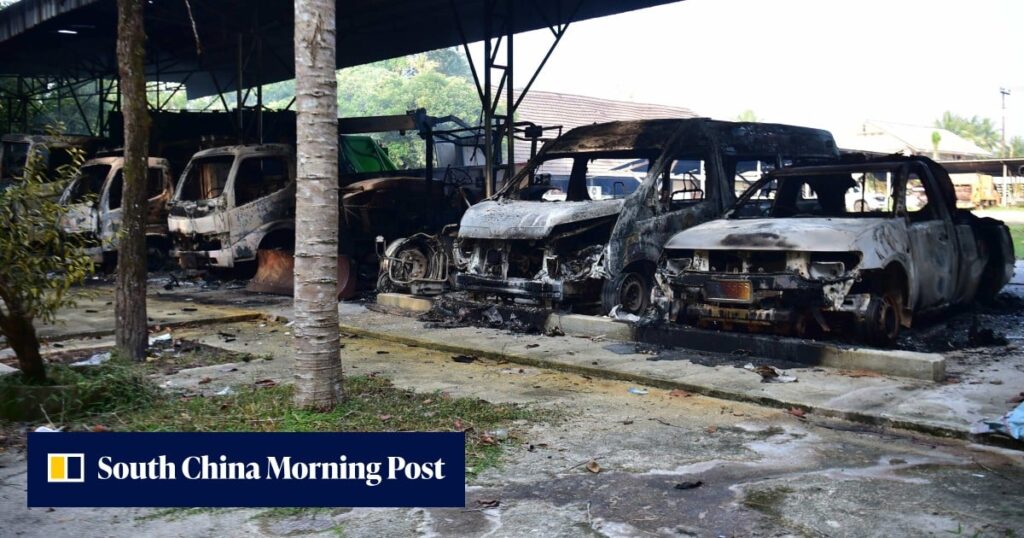
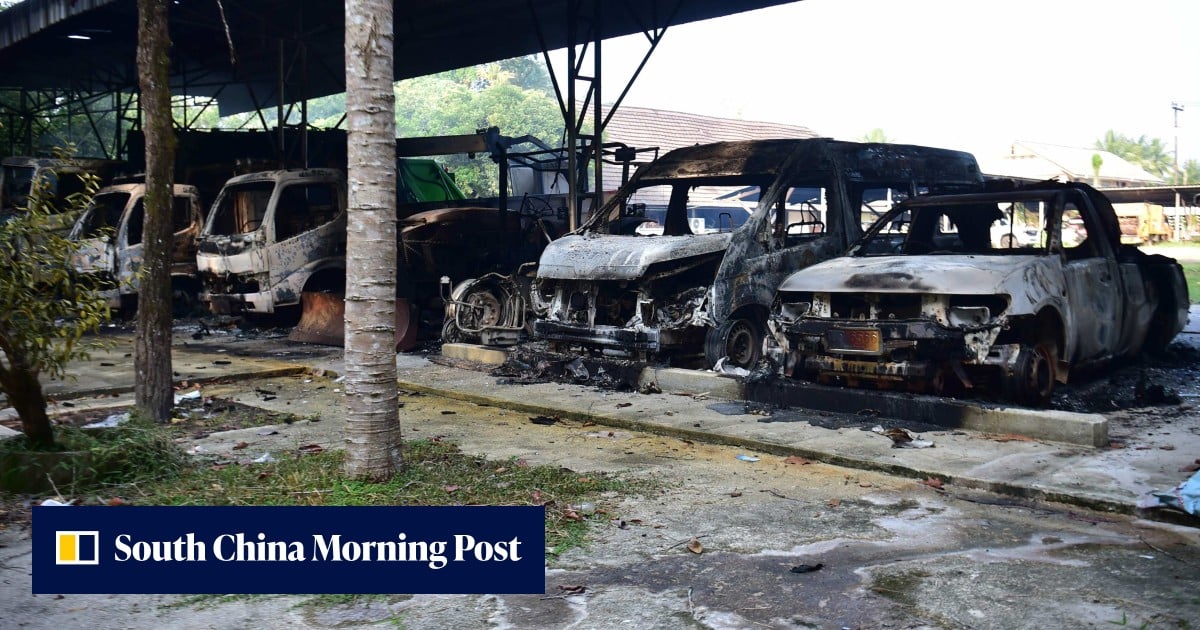
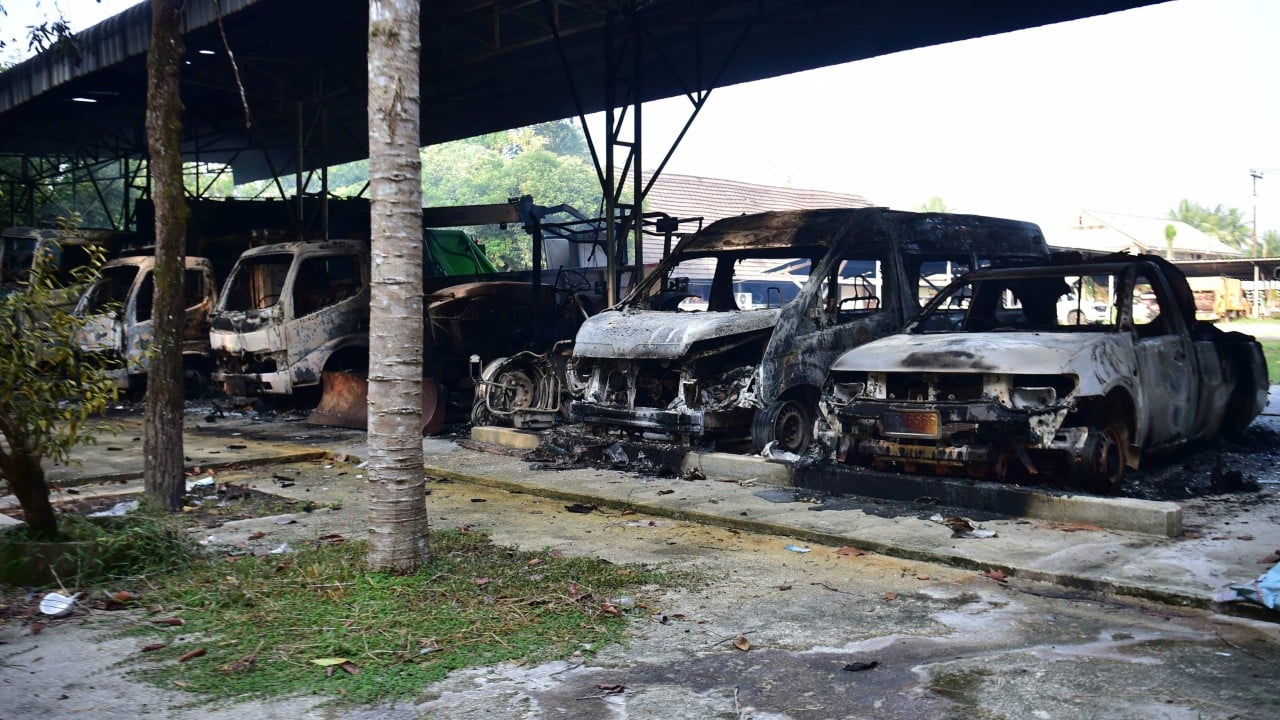
“I was shocked,” said Ni-arfan, 25, recalling how they led him and another guard behind the Chang Phueak subdistrict office, instructed them to sit with their hands behind their backs, and promised no harm would come to them.
The masked men then set fire to the building, one of at least 78 incidents in a coordinated wave of arson, bombings and other attacks across four provinces in Thailand’s insurgency-hit deep south last weekend, injuring three people.
Confined mostly to Thailand’s deep south, the violence has rarely intruded into the idyllic beaches and glimmering temples that make the country one of the world’s top destinations for millions of tourists each year.
But it has long shaped life in these rural provinces, dotted with rubber plantations and fishing communities, and the recent spate of attacks has heightened fear and mistrust, even as Bangkok seeks to revive peace talks.
The latest targets included government buildings, businesses and convenience stores, vehicles and pylons, while an explosion damaged railway tracks and disrupted train services.
Don't Miss:
-
Captain Sol: The Ghost Who Controlled Customs and Ran the Government’s Illegal Fuel Trade
-
Former Chihuahua Prosecutor Arrested for Allowing CIA Officers to Operate in the Region
-
Mexican Authorities Target the Network of U.S.-Indicted “Carlitos Rugrats”
-
Drug Trafficking, U.S. Banks, and the Economic Reality Under Trump
-
Ivan’s Mob Beheads A Los Mayos Member