
 Would a Big Alaska LNG Deal make Taiwan Safer?
  Philippine VP Sara Duterte’s Impeachment Trial Narrows as Stakes Remain High
  Indonesia Stock Market Faces MSCI Exile over Poor Governance
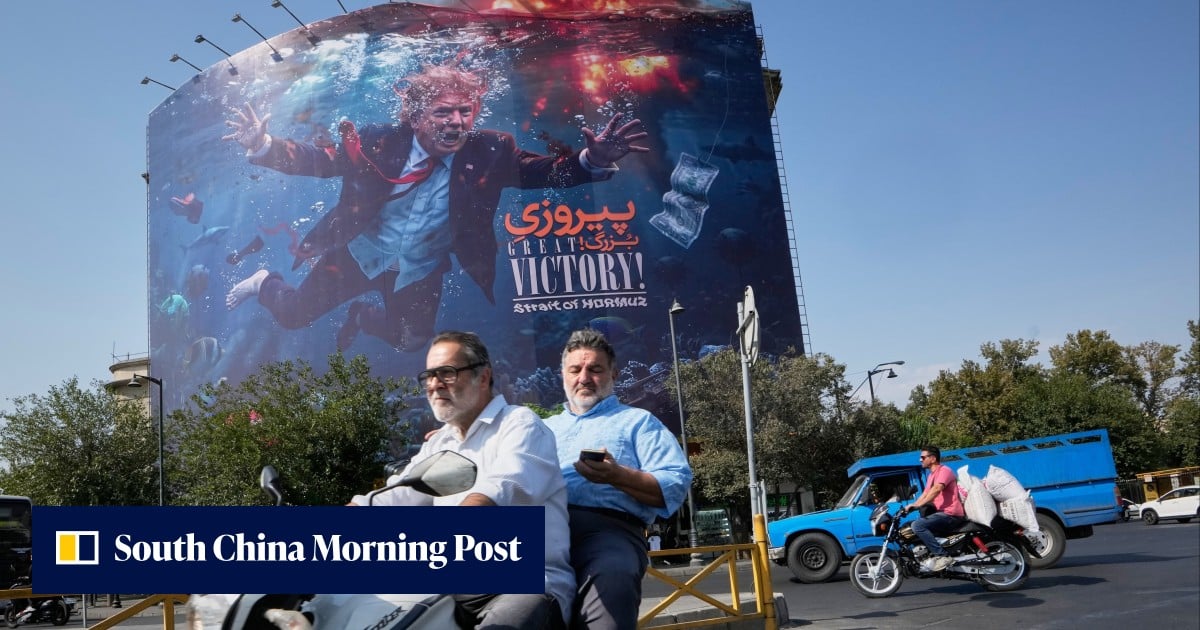
Six months after the air strikes that began the war and propelled a badly wounded Mojtaba Khamenei into the role of Iran’s supreme leader, he remains entirely unseen and unheard by Iranians – a vacuum at the heart of his country’s leadership.
Questions over his condition and role are growing increasingly fraught, with Iran facing critical decisions over a war that has set the Middle East aflame while trashing the country’s already fragile economy.
Iranian officials and other senior sources in the country say Khamenei remains in control, ruling from the shadows for security reasons as he recovers from disfiguring wounds while delegating broad daily authority to a coterie of top figures.
But with no photograph, video or audio message released since his appointment a week into the war, Iranians are ever more sceptical about his position in an Islamic Republic in which the leader’s voice is meant to be absolute.
“The question is no longer whether Mojtaba is alive, but whether Iran still has a functioning supreme leader,” said Alex Vatanka of the Middle East Institute in Washington. Khamenei’s only messages to the Iranian people have come via a handful of written statements read aloud by news broadcasters and he was even missing from the extravagant week of funeral rites for his father last month.
Top officials and other insiders attribute Khamenei’s absence to assassination fears and say he holds frequent meetings with top figures, receives all major reports and takes the final decisions on every important issue.
Don't Miss:
-
Captain Sol: The Ghost Who Controlled Customs and Ran the Government’s Illegal Fuel Trade
-
Former Chihuahua Prosecutor Arrested for Allowing CIA Officers to Operate in the Region
-
Mexican Authorities Target the Network of U.S.-Indicted “Carlitos Rugrats”
-
Drug Trafficking, U.S. Banks, and the Economic Reality Under Trump
-
Ivan’s Mob Beheads A Los Mayos Member