
 The “Chokubi” Crisis
  Bhutan’s ‘Mindfulness City’ to Link to India by Rail
  Cracks in the Sand: Gulf Monarchies’ Economic and Geopolitical Peril
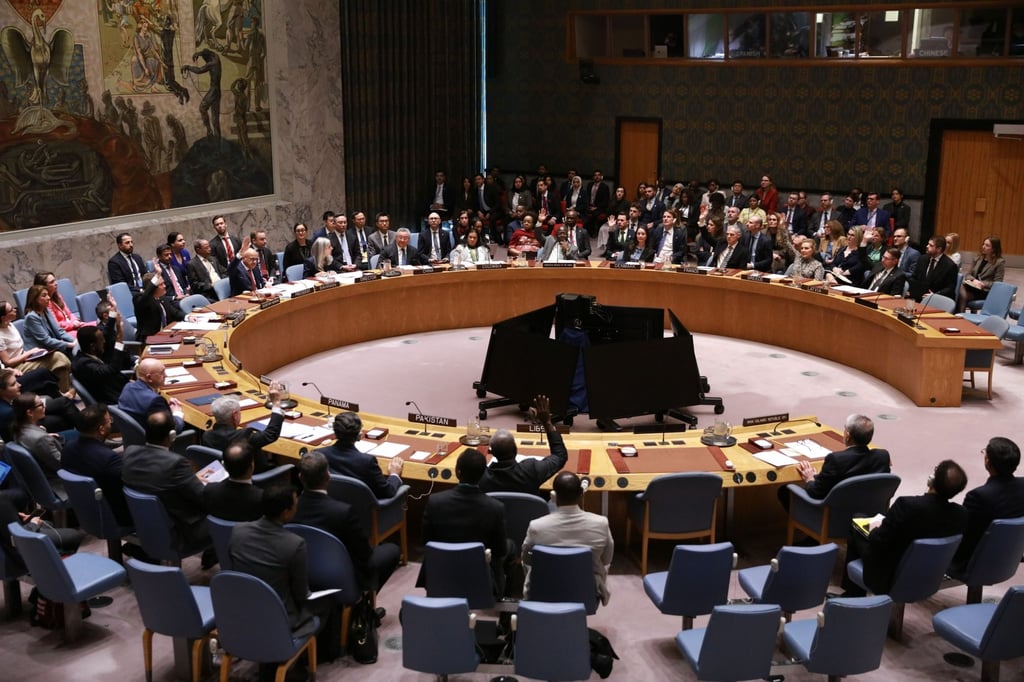
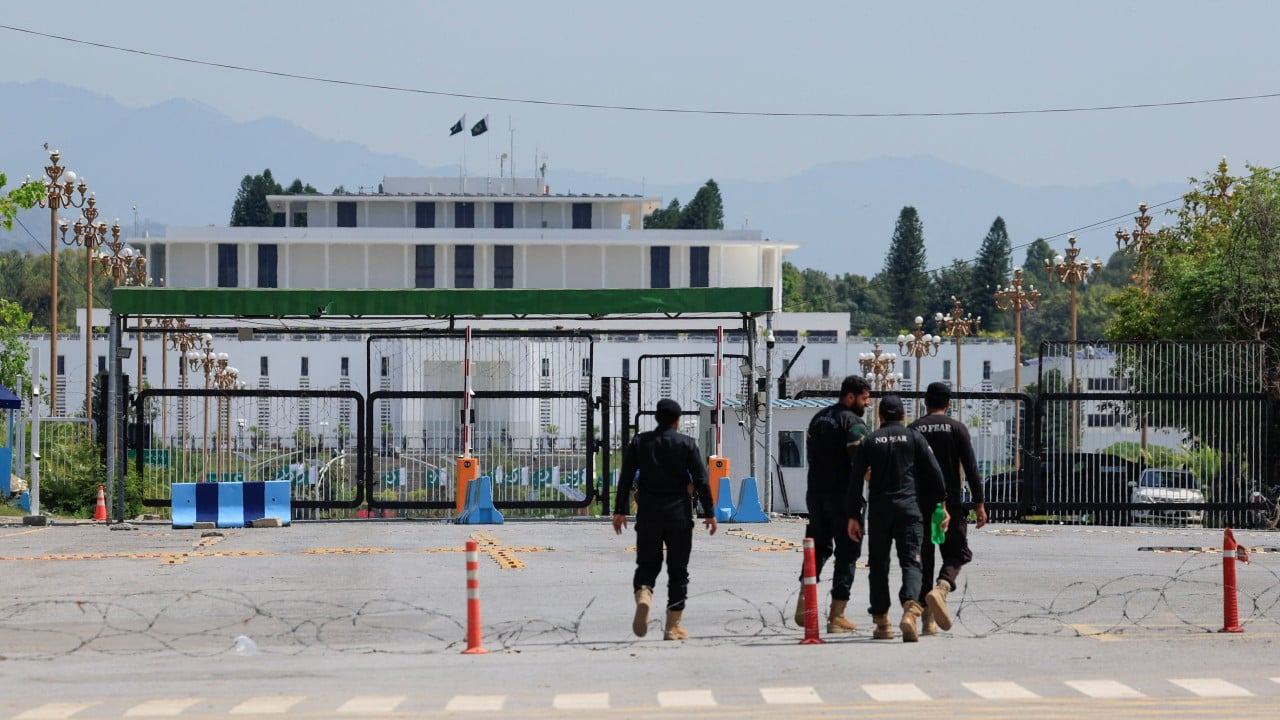
 After China and Russia vetoed the Gulf Cooperation Council’s bid to attain UN Security Council approval for “defensive” measures to force open the Strait of Hormuz earlier this week, analysts say the GCC states have little sway over what is about to transpire in Islamabad.
Largely dependent on what they were being told by Washington and Pakistan’s leaders, Saudi Arabia, the United Arab Emirates, Qatar, Kuwait, Bahrain and Oman have good reason to fear that peace could come at the cost of their long-term security, thereby sabotaging the GCC-wide drive to diversify their oil and gas-financed economies before the global economy completes its transition to renewables.
Advertisement
Their concerns, almost always raised diplomatically behind closed doors before the US-Israel war against Iran began on February 28, have been expressed increasingly loudly – and in some cases, angrily – in the build-up to the talks in Pakistan.
Officials and commentators with close government ties in the UAE and Kuwait have been the most outspoken about being sidelined.
Advertisement
Don't Miss:
-
Hong Kong animal groups urge HKTVmall boycott over life science experiments
-
Fear, anxiety grip Iranians ahead of US talks: ‘I’m scared of war starting again’
-
Move over, Hercules: China’s new Y-30 aims to outmuscle America’s best transport aircraft
-
Foreigners flock to China spas to enjoy unique cultural baths amid rise of wellness tourism
-
Hong Kong bookstore owner fined HK$32,000 for using shop as unregistered school