
 New documents show how a retail chain’s sales practices helped put guns on US streets
  Singapore a battleground of commodities fraud lawsuits
  From Propagandist to Criminal
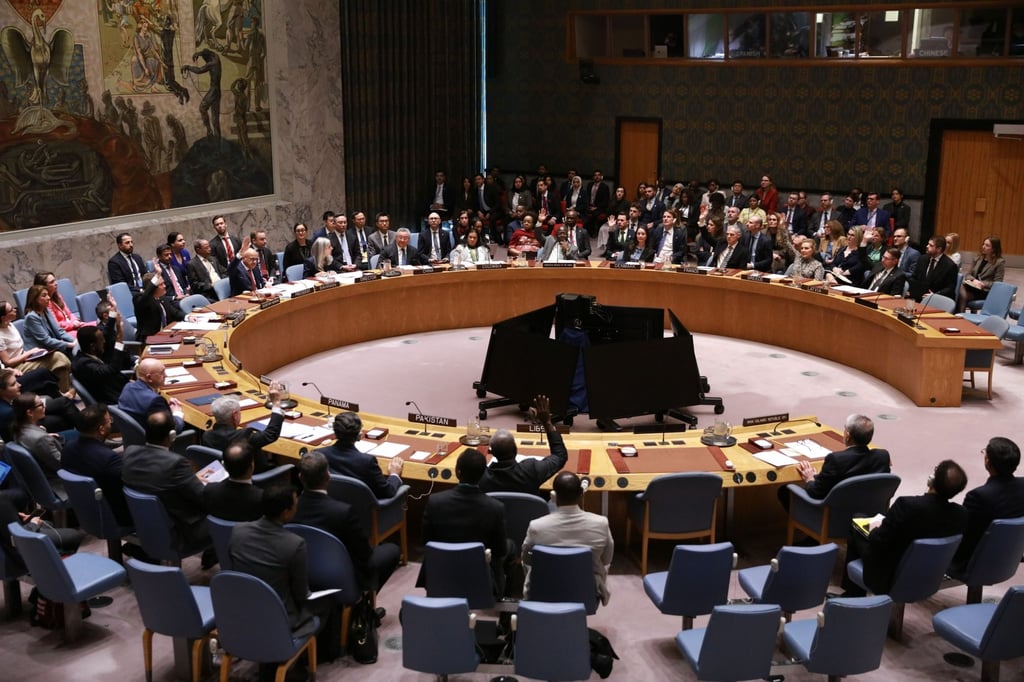
 After China and Russia vetoed the Gulf Cooperation Council’s bid to attain UN Security Council approval for “defensive” measures to force open the Strait of Hormuz earlier this week, analysts say the GCC states have little sway over what is about to transpire in Islamabad.
Largely dependent on what they were being told by Washington and Pakistan’s leaders, Saudi Arabia, the United Arab Emirates, Qatar, Kuwait, Bahrain and Oman have good reason to fear that peace could come at the cost of their long-term security, thereby sabotaging the GCC-wide drive to diversify their oil and gas-financed economies before the global economy completes its transition to renewables.
Advertisement
Their concerns, almost always raised diplomatically behind closed doors before the US-Israel war against Iran began on February 28, have been expressed increasingly loudly – and in some cases, angrily – in the build-up to the talks in Pakistan.
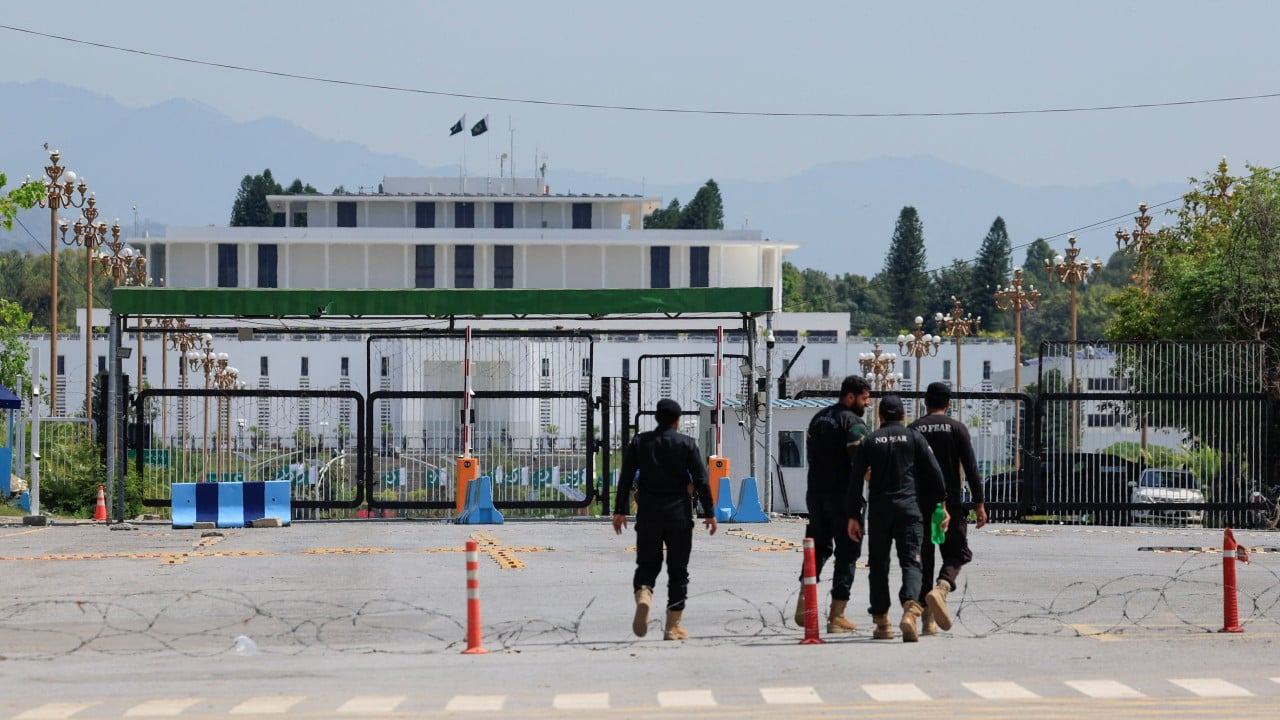
Officials and commentators with close government ties in the UAE and Kuwait have been the most outspoken about being sidelined.
Advertisement
Don't Miss:
-
Former American Idol singer Caleb Flynn sentenced to life in prison for wife’s murder
-
Bogota mayor presses Chinese-led consortium for more metro workers as auditors flag delays
-
ICC unseals arrest warrants for 4 Taliban leaders wanted on gender persecution charges
-
Quebec votes in provincial election as separatist surge poses test for Canada’s PM Carney
-
“Here, We Confront Drug Traffickers Daily… And The U.S.?”