
 The Taliban’s New War Begins at Home
  Panama removed from EU’s tax haven ‘blacklist’ a decade after the Panama Papers
  Crackdown and Controversy: The Battle Over Beach Bars and Noise in Phuket’s Bang Tao
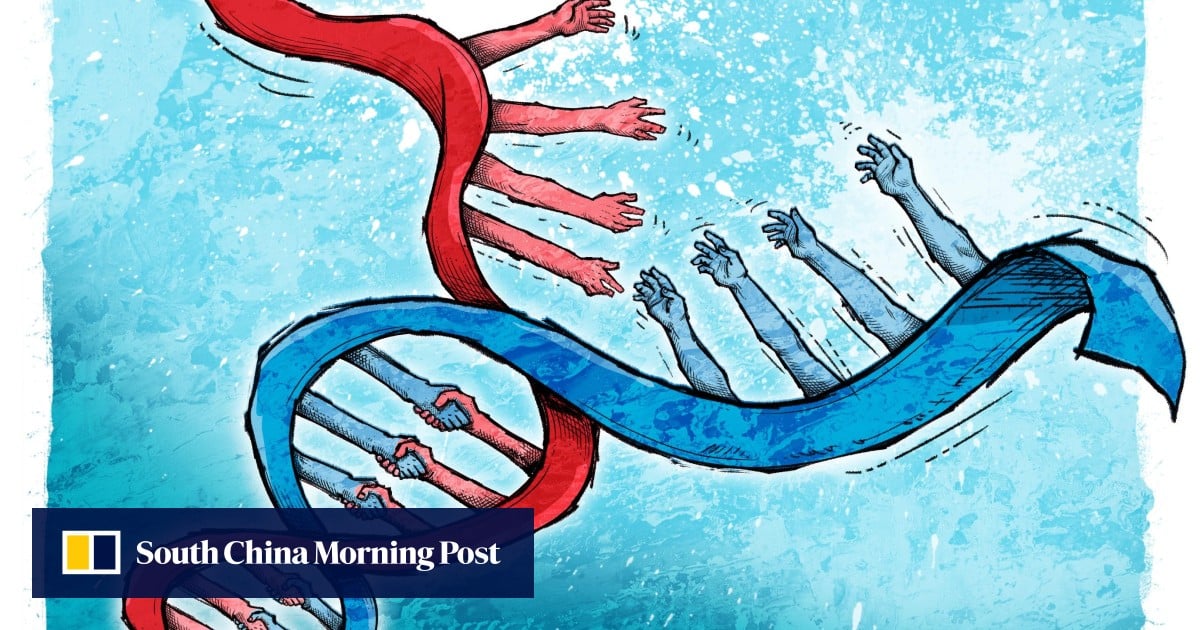
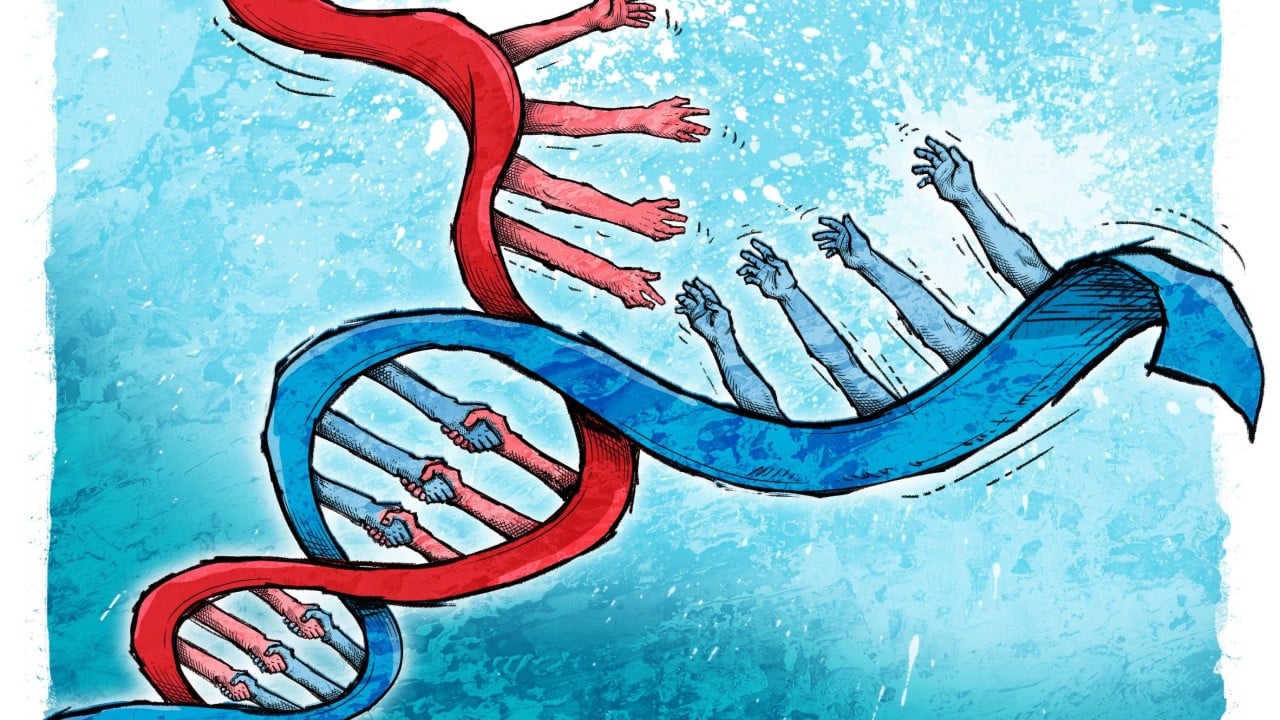
As the United States marks the 250th anniversary of its founding, it confronts a new world order dominated by its relationship with China. In this wide-ranging series, we examine the pressure points and possibilities in those ties, from hard tech to soft power. Here, Dannie Peng looks at what is at stake amid the countries’ historic low in scientific collaboration.
In late May, Zhang Ning, founder of TopEdit, a Maryland-based company that provides editing services for academic publications, learned of a troubling development.
The US Congress was discussing a proposal to ban American research institutions from collaborating with certain Chinese entities using federal research funds.
Zhang’s immediate reaction was blunt: “This is absurd.”
Zhang’s exchange took place with a vice-president for a global publishing company during the annual meeting of the Society for Scholarly Publishing in San Diego.
“My first reaction was: is this real? It is ridiculous,” Zhang recalled, adding that even if the bill eventually failed, “it feels as though the world is becoming increasingly irrational”.
Don't Miss:
-
Drug Trafficking, U.S. Banks, and the Economic Reality Under Trump
-
Ivan’s Mob Beheads A Los Mayos Member
-
Ex-OFAC Official: The Cartel Risk Companies Can’t See | The InSight Take
-
Why Ecuador Is Losing Its Fight Against Organized Crime
-
‘El Cromo’ Arrested in Guadalajara; He Is Linked to a Group Affiliated with the CJNG