
 New documents show how a retail chain’s sales practices helped put guns on US streets
  Singapore a battleground of commodities fraud lawsuits
  From Propagandist to Criminal
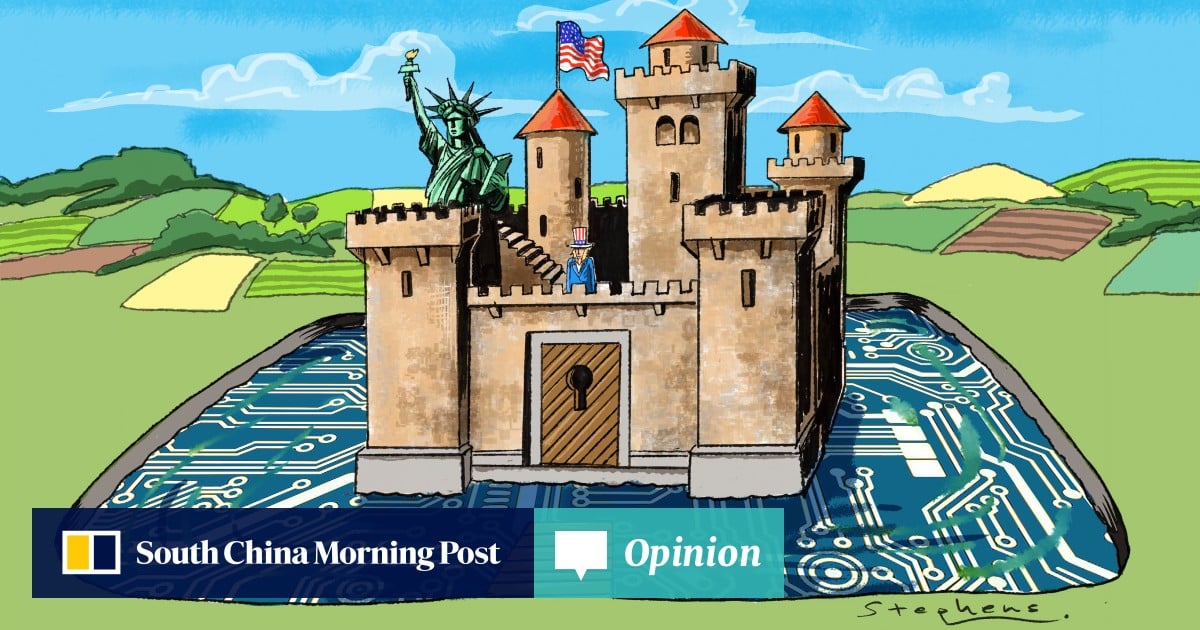
Whether fully substantiated or not, such beliefs are increasingly shaping the policy lens through which technology competition between the two countries is understood in the US – less as a matter of innovation, and more as one of national security.
Advertisement
At first glance, the debate over model distillation concerns technical pathways and intellectual property boundaries. Distillation is a widely used machine learning technique that enables smaller models to approximate the performance of larger ones, reducing computational costs and accelerating adoption. Its legal status remains ambiguous, and even US firms have used similar methods among themselves.
However, in today’s geopolitical environment, the issue has been reframed. Some US policymakers and companies argue that distilled models could be misused for cyber operations, disinformation campaigns or even military applications. What was once a question of optimisation has been elevated to one of national security.
Advertisement
Don't Miss:
-
Former American Idol singer Caleb Flynn sentenced to life in prison for wife’s murder
-
Bogota mayor presses Chinese-led consortium for more metro workers as auditors flag delays
-
ICC unseals arrest warrants for 4 Taliban leaders wanted on gender persecution charges
-
Quebec votes in provincial election as separatist surge poses test for Canada’s PM Carney
-
“Here, We Confront Drug Traffickers Daily… And The U.S.?”