
 Manila’s EV ambitions confront economic and energy realities
  Tunisian court dismisses case to dissolve publisher of ICIJ partner Inkyfada
  Prabowo Faces Growing Discontent as Jokowi Revives His Political Ambitions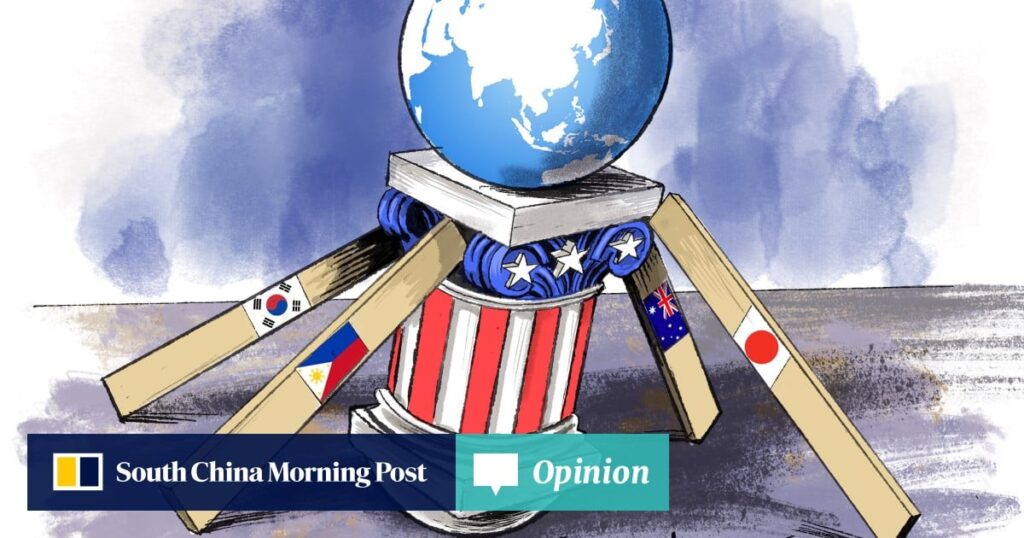
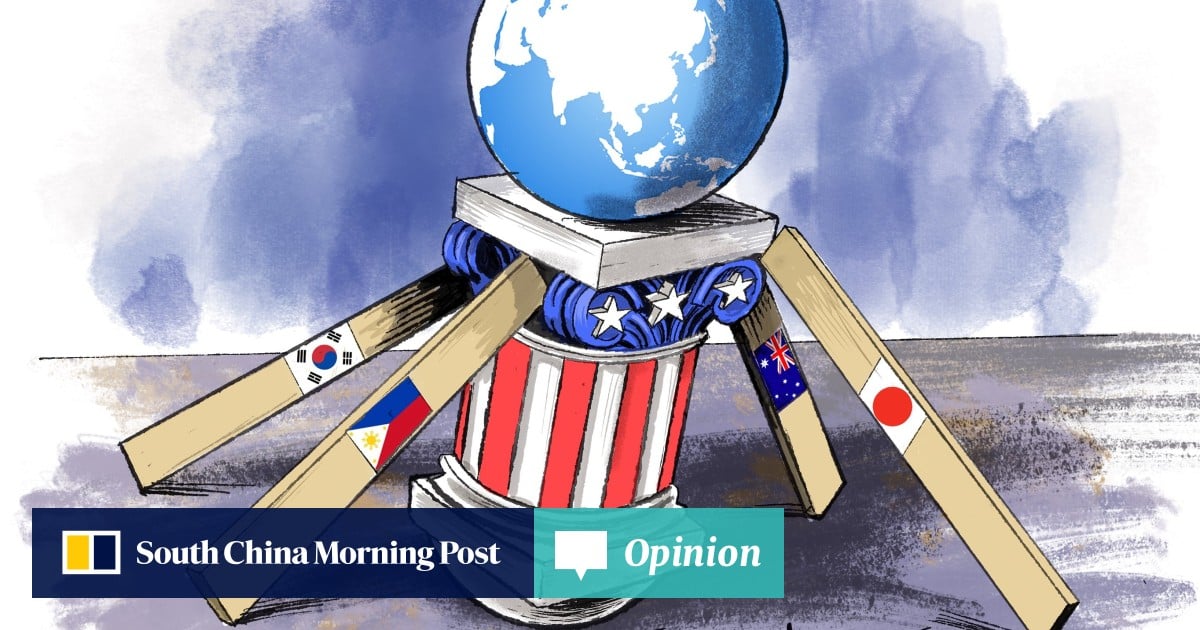
“Under the new system, we will strategically promote equipment transfers while making even more rigorous and cautious judgments on whether transfers are permissible,” she added, confirming long-running speculation that Tokyo would relax decades-old restrictions on exports of high-end military equipment.
Thanks to its post-war pacifist constitution, Japan previously limited military equipment exports to non-lethal categories, namely for transport, rescue, surveillance, minesweeping and early warning systems purposes. Though Tokyo will still refrain from sending armaments to nations engaged in conflict, as many as 17 major defence partners can now benefit from Japan’s cutting-edge military technology.
Advertisement
Takaichi’s cabinet chief, Minoru Kihara, clarified the policy is “intended to safeguard Japan’s security and further contribute to the peace and stability of the region”.
Advertisement
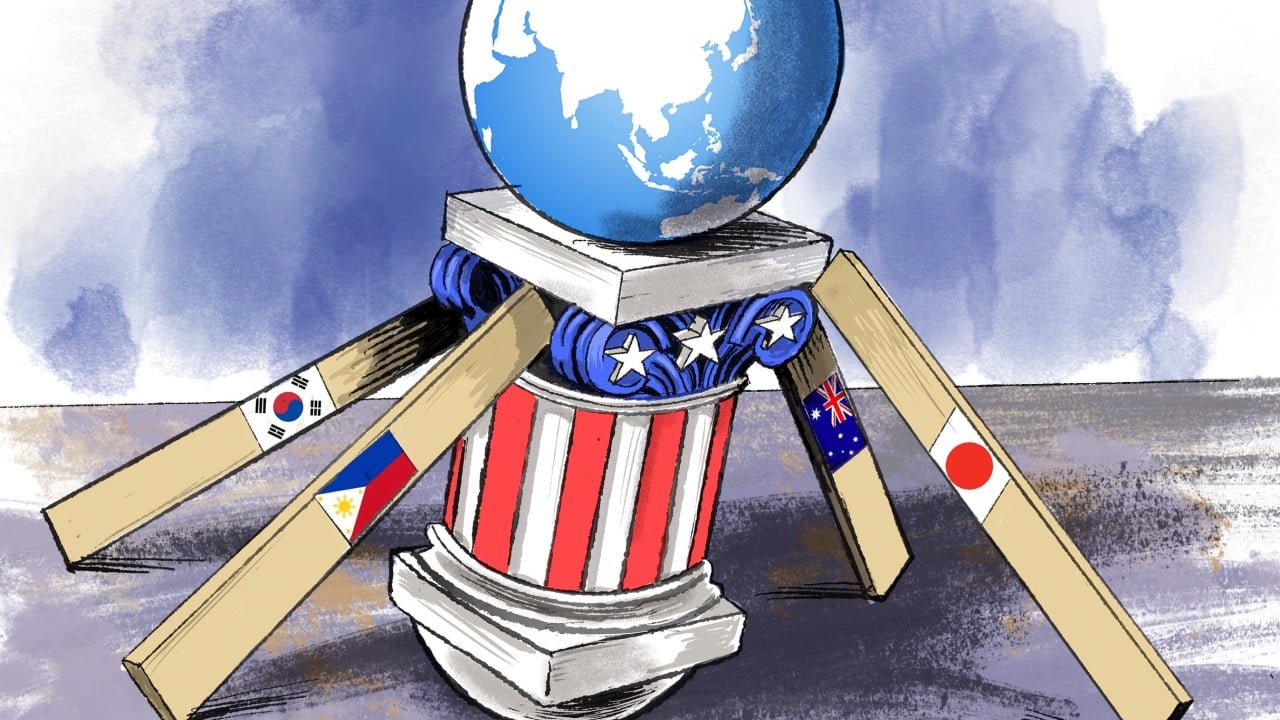
The war games featuring more than 17,000 troops from seven nations saw Tokyo also deploying major platforms such as the Type 88 surface-to-ship missile system, a US-2 amphibious aircraft, C-130H transport aircraft, the JS Ise warship, JS Shimokita landing ship and the destroyer JS Ikazuchi. To solidify relations with Manila, the host of the exercises and this year’s Association of Southeast Asian Nations (Asean) chair, Tokyo announced a state visit by Philippine President Ferdinand Marcos Jnr.
Don't Miss:
-
Explosives Workshop Raided after Shootout in Balleza, Chihuahua
-
The Eccentric Extravagances of “Captain Sol”: 12 Properties, a Penthouse in Tulum, and Casino Spending
-
Fight at Mazatlán Prison Leaves 10 Dead: A 2-Year-Old Boy Died During a Family Visit
-
Veracruz Mafia vs. CJNG: The Fight for Veracruz
-
Former Michoacán Official Used AI for Extortion: Here’s How They Cloned the Voices of Politicians and Ministers