
 The “Chokubi” Crisis
  Bhutan’s ‘Mindfulness City’ to Link to India by Rail
  Cracks in the Sand: Gulf Monarchies’ Economic and Geopolitical Peril
 “War is hell,” as the saying goes, and it is often those most intimately acquainted with conflict who are the most eager to leave it behind.
This yearning for peace was underscored by a newly uncovered archaeological site from the Western Zhou dynasty (1046–771 BC) in Shaanxi province, northwest China, revealed in 2022. Researchers announced their discoveries in mid-March.
Among the findings was a gravesite featuring the remains of individuals interred with broken weapons, a custom rooted in an ancient Chinese philosophy that asserts “stopping war is true valour” (zhigeweiwu in Chinese), according to the Global Times.
Advertisement
This phrase originates from the ancient classic Zuozhuan (circa 300 BC), which served for centuries as the primary text on ancient Chinese history. The underlying concept of the broken weapons is that although victory in war may be adorned with glory, true honour belongs to those who strive for peace.
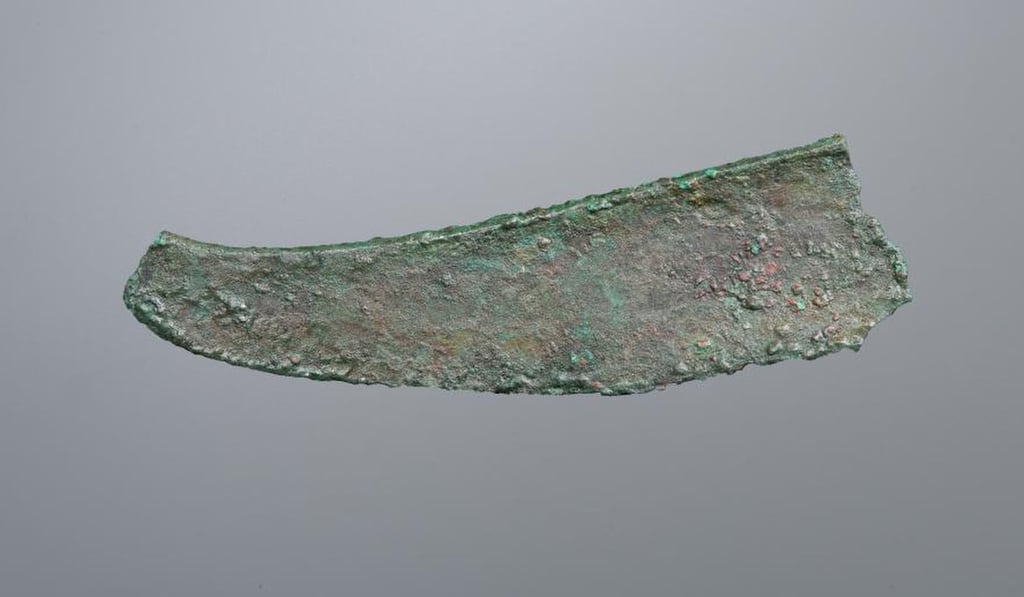
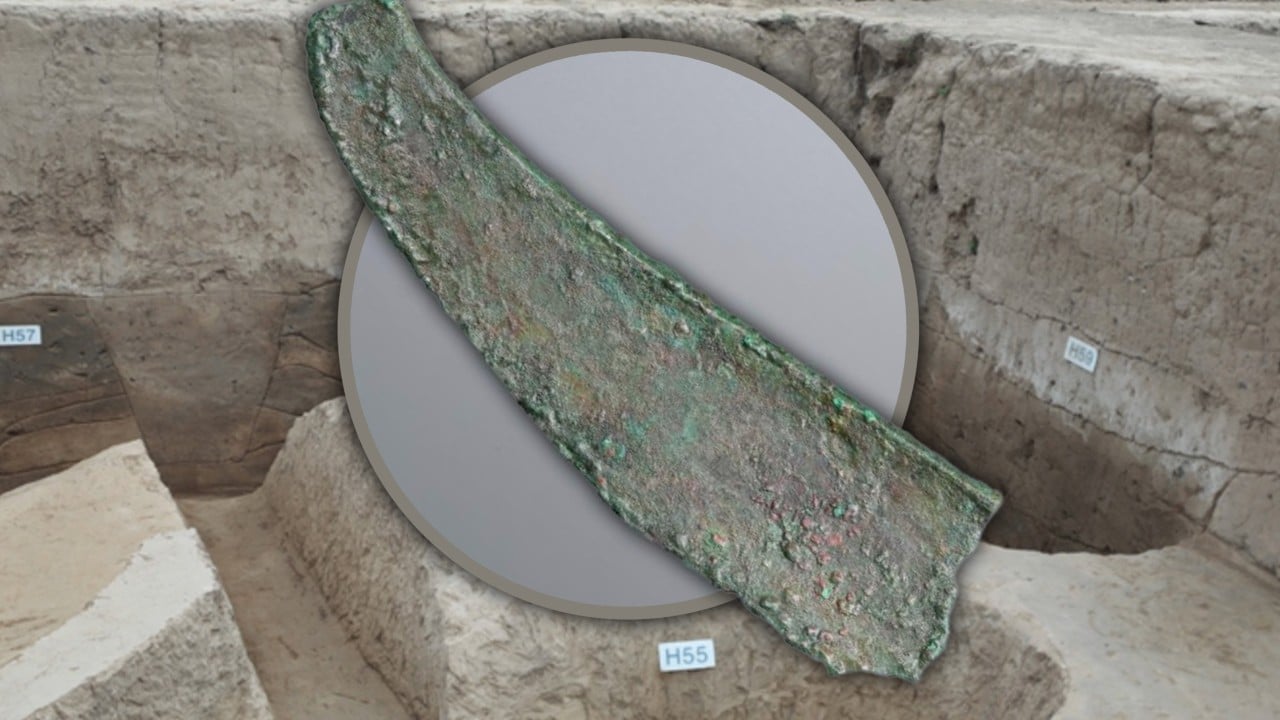
Yu Pengfei, an archaeologist from the Shaanxi Academy of Archaeology involved in the project, shared with the Global Times that the weapons – bronze daggers and knives – were intentionally damaged during the burial process, intended as offerings to the deceased for their peaceful passage into the afterlife.
Advertisement
The site, surrounded by a moat, contained multiple ash pits and tombs, with a total of 13 graves excavated. Interestingly, the gravesite exhibits no distinct layout. Among the artefacts found were tripod jars, basins, and various pots.
Don't Miss:
-
Over the moon: Artemis II astronauts make emotional homecoming after record trip
-
Sex assault claims against California governor hopeful Eric Swalwell under investigation
-
French police find naked boy, 9, locked in father’s van since 2024
-
Attack on a Police Station and Homes in Zacatecas
-
250 Mmbers of the Mexican National Defense Secretariat (Sedena) are Arriving to Bolster Security in Juárez