
 Michael Marx on Corporate Campaigns in the USA
  Losing language and culture in Xinjiang
  Manila’s EV ambitions confront economic and energy realities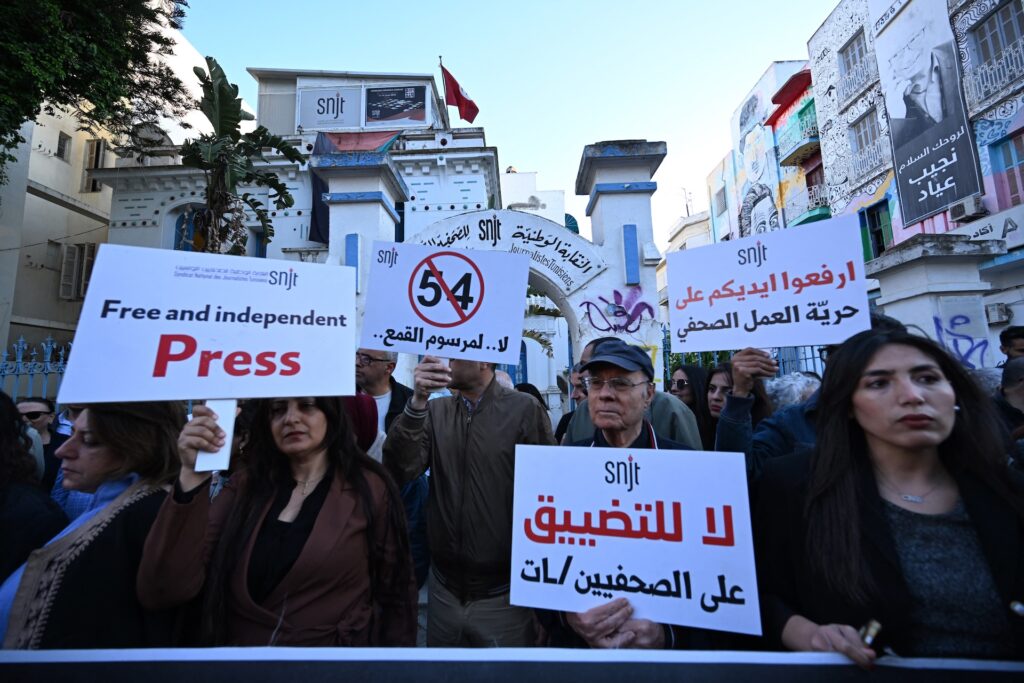
A three-judge panel is set to examine a request from Tunisia’s executive office that could shutter one of the country’s leading investigative media outlets, ICIJ partner Inkyfada.
The Tunis Court of First Instance will consider Monday whether to dissolve Inkyfada’s publisher, Al Khatt. The dissolution request is not based on a single claim but appears to be the culmination of a yearslong campaign against the organization, according to Reporters Without Borders (RSF).
“What is clear is that the procedure fits a broader pattern of institutional censorship: using administrative and judicial tools to eliminate,” Oussama Bouagila, director of RSF’s North Africa office, told ICIJ in a message.
Al Khatt is a nongovernmental organization founded in 2013 to foster independent journalism and media literacy in Tunisia. It also publishes and partly funds Inkyfada, a longtime ICIJ partner that has contributed to several cross-border investigations, including the Panama Papers, the Pandora Papers and the Implant Files.
Since 2023, Tunisian authorities have targeted Al Khatt under the guise of regulatory action, blocking bank transfers, demanding proof of Al Khatt’s legal formation, and even suspending the nonprofit’s activities for one month last year over alleged concerns about foreign funding. Earlier this year, a financial crime unit summoned Al Khatt to respond to an old investigation request about its foreign funding.
In a statement, Al Khatt said it provided documentation and explanations in response to each inquiry.
Now, the organization and its news site are facing a far more severe attack.
“Inkyfada has spent more than a decade producing independent investigative journalism in Tunisia,” Malek Khadhraoui, executive director of Al Khatt and publishing director of Inkyfada, told ICIJ in an email. “The dissolution petition, the prolonged blocking of our funds, the parallel criminal investigation, and the online smear campaigns we have faced for months all serve the same purpose: putting an end to that work.”
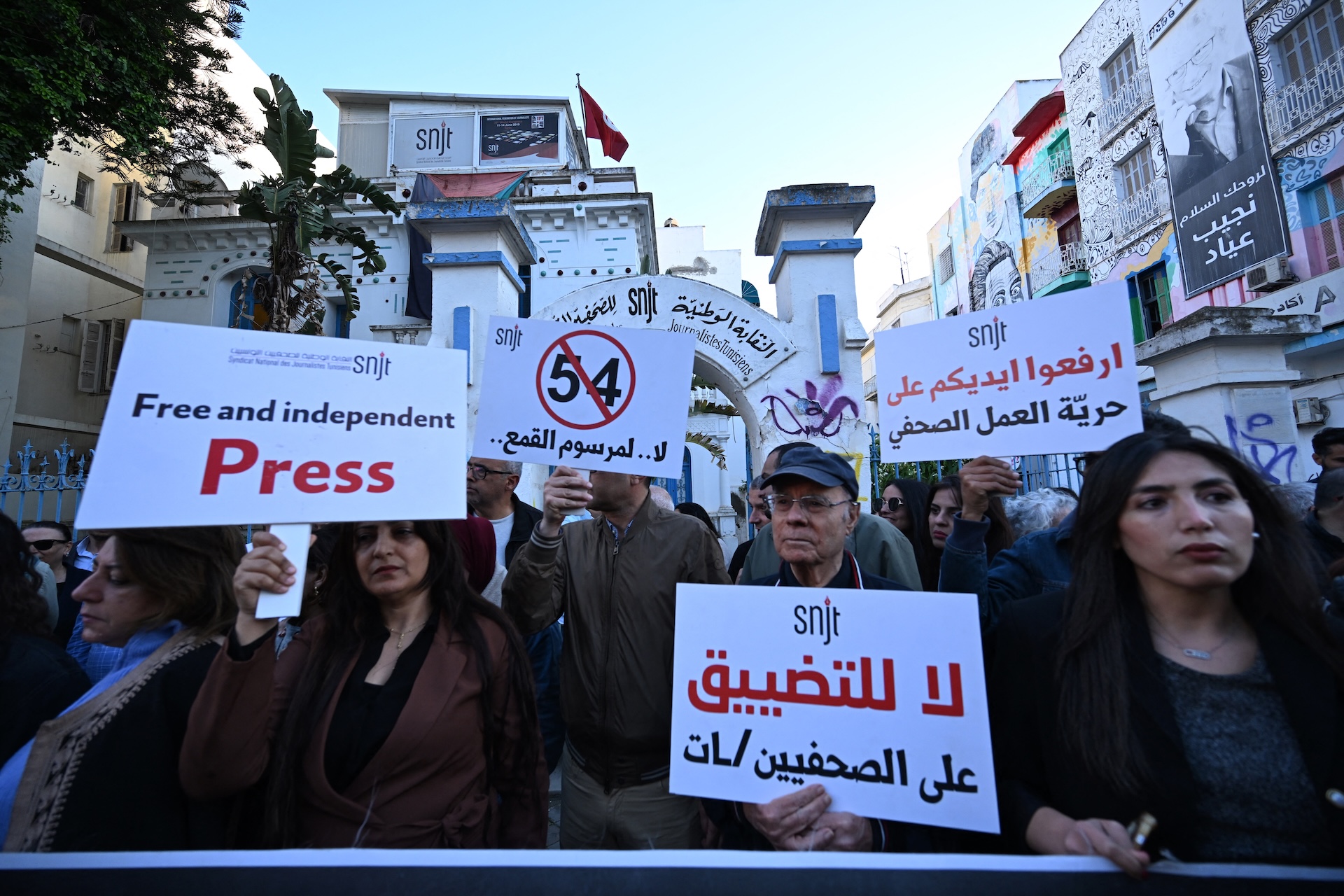
The National Union of Tunisian Journalists also condemned the move as part of the government’s broader attempts to harass the press through “administrative, financial and judicial mechanisms.”
Al Khatt was founded under Decree Law 88, a landmark law adopted in the wake of the Tunisian revolution that provided new protections for freedom of association and eased restrictions on foreign funding to NGOs. A presidential power grab in 2021 and the adoption of a new constitution the following year laid the groundwork for those freedoms to come under attack.
Several journalists and human rights lawyers have also been recently jailed under a law that criminalizes spreading “rumours and fake news.” Tunisia now ranks 137 out of 180 countries in the RSF World Press Freedom Index, falling eight spots since last year.
“Other independent newsrooms in Tunisia are facing the same kind of pressure,” Khadhraoui said. “We will defend the case in court, and we will continue to publish.”