
 How Hungary’s richest man funneled millions into Orbán’s propaganda machine
  How Real Is the US Withdrawal from the Middle East?
  From Iran to China: An Emerging Trans-Central Asian Corridor
 Despite the assassinations of most of the Islamic Republic’s political and military leaders, the regime shows no signs of collapse.
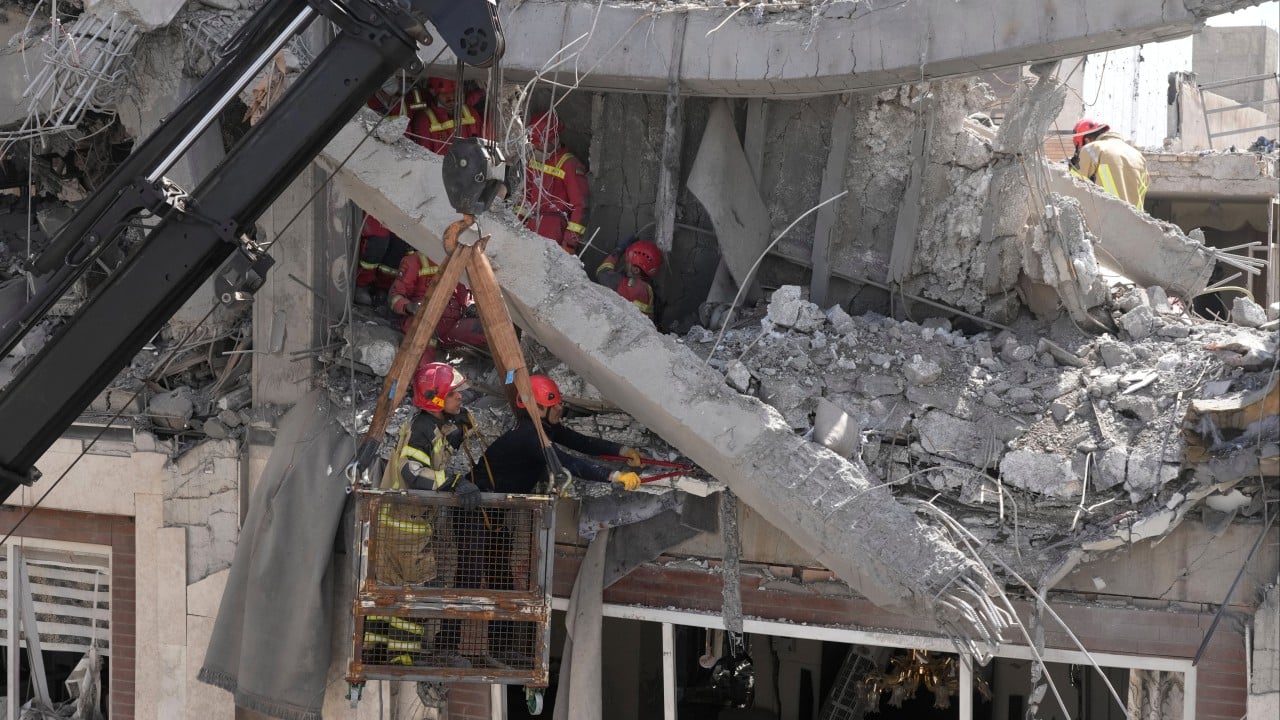
Similarly, wave after wave of US and Israeli air strikes may have degraded Iran’s ballistic missile and drone capabilities, but they still look set to remain a potent threat to the region for the duration of the conflict – and beyond.
Advertisement
Washington wants Tehran to dismantle its nuclear enrichment facilities and surrender its stockpile of near-weapons-grade uranium estimated to be sufficient for 11 warheads.
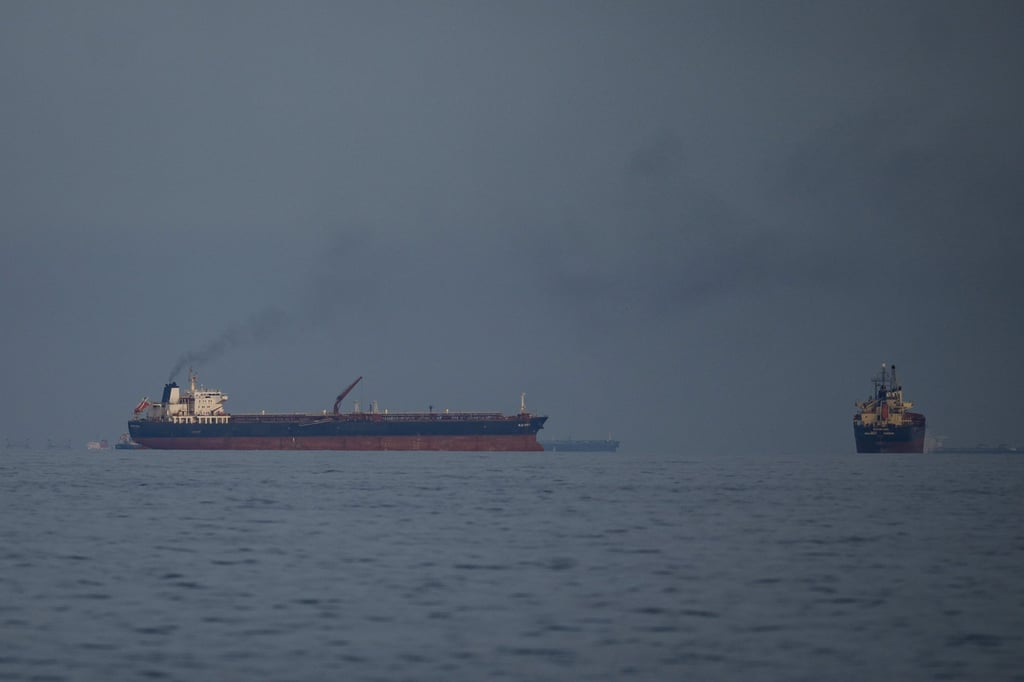
US conditions for ending the war also include scrapping all Iranian missiles except those for defensive purposes, and ending Tehran’s support for allied “Axis of Resistance” militias including Lebanese Hezbollah and Yemen’s Houthis.
Don't Miss:
-
US wraps up military mission in Iraq, giving Baghdad room to strengthen China ties
-
As China and the EU begin crunch trade talks, optimism is in short supply
-
Data centre opposition is growing in Australia. Is there a middle ground?
-
Helper arrested for allegedly slapping 5-year-old boy after he refuses to eat
-
Workers, mostly Indian, building US consulate in Milan agree to record settlement