
 New documents show how a retail chain’s sales practices helped put guns on US streets
  Singapore a battleground of commodities fraud lawsuits
  From Propagandist to Criminal
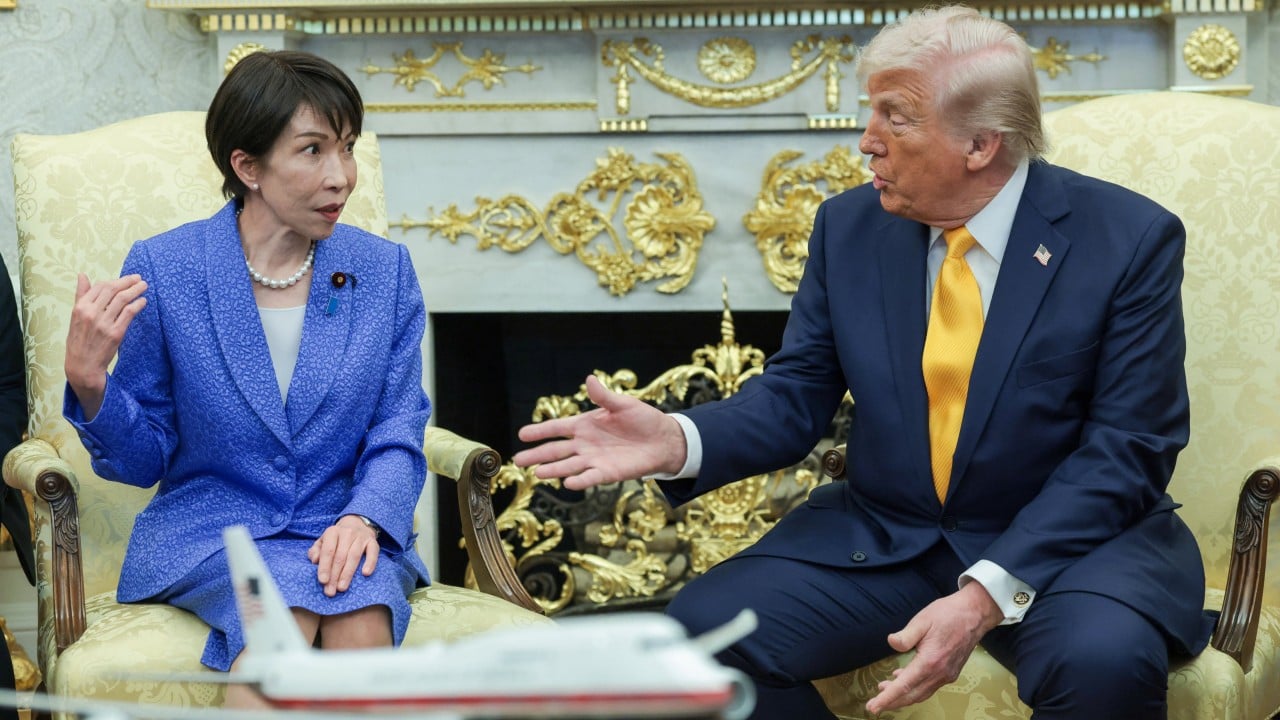
A high-stakes summit between US President Donald Trump and Japanese Prime Minister Sanae Takaichi on Thursday appeared to get off to a good start as the two touted the bilateral relationship and pledged to work cooperatively on trade, stabilising the global energy market and regional security.
Takaichi was the first US ally to meet face to face with the mercurial president, amid concern that he would take out his anger on her for the large number of security partners who have declined to help him clear the Strait of Hormuz.
Trump called out China again on Thursday for not joining Nato and other nations in supporting the US war effort, adding that he would be “singing Japan’s praises” when he next met Chinese President Xi Jinping in “about a month and a half” following a delay attributed to the war.
Advertisement
“We’ve had tremendous support and relationship with Japan,” Trump said sitting beside Takaichi on matching gold-coloured chairs in the White House Oval Office. “And I believe … they are really stepping up to the plate.”
Asked by a Japanese reporter why he kept secret from its closest Asian ally, the US and Israeli plans to attack Iran, however, Trump ploughed through diplomatic niceties, suggesting that Japan, of all countries, should understand the military benefit of secrecy.
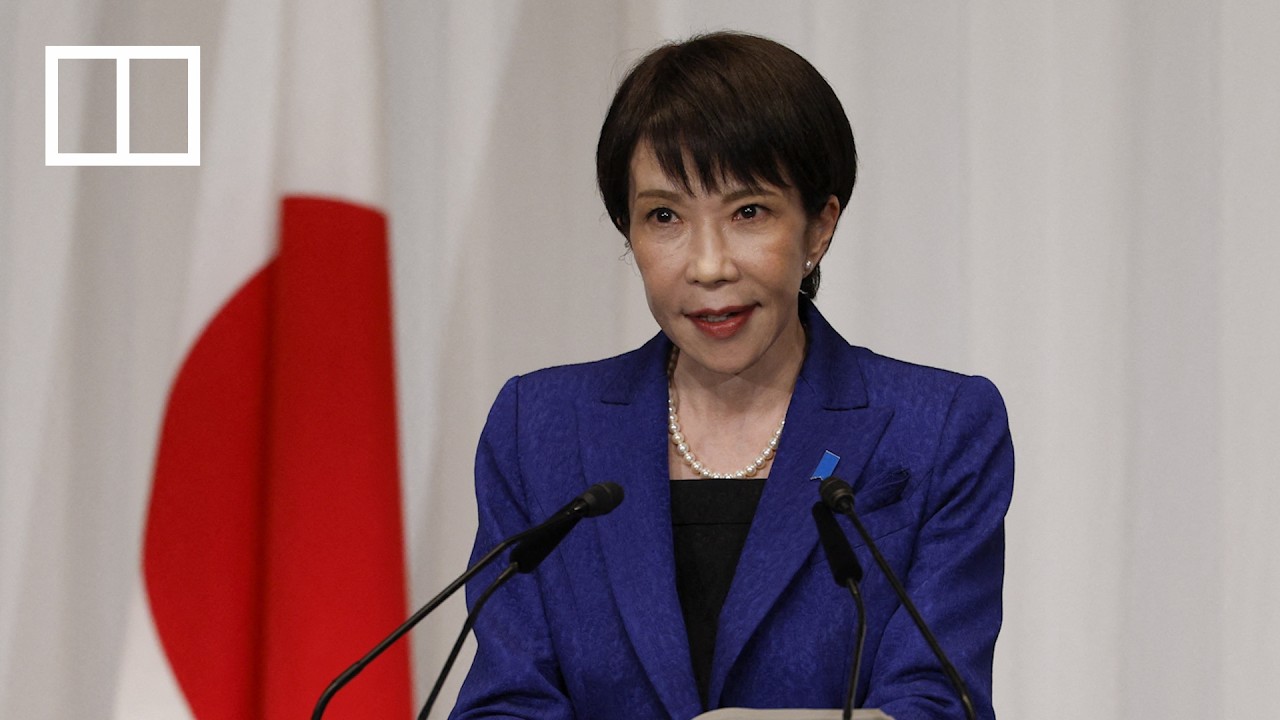
Japanese PM ‘open’ to talks with China
Japanese PM ‘open’ to talks with China
“Who knows better about surprise than Japan?” he said. “You didn’t tell me about Pearl Harbour, okay, right?” Surprise, he added, allowed the Pentagon to knock out Iran’s military capability in the first two days with the “incredible” US military.
Don't Miss:
-
Former American Idol singer Caleb Flynn sentenced to life in prison for wife’s murder
-
Bogota mayor presses Chinese-led consortium for more metro workers as auditors flag delays
-
ICC unseals arrest warrants for 4 Taliban leaders wanted on gender persecution charges
-
Quebec votes in provincial election as separatist surge poses test for Canada’s PM Carney
-
“Here, We Confront Drug Traffickers Daily… And The U.S.?”