
 Rick Claypool on Pay to Play Corporate Crime Enforcement
  Labaton Launches Whistleblower Practice with Former SEC Acting Chair Allison Herren Lee
  Kremlin payment firm A7 has been pumping billions in ‘untraceable’ cash into global financial system
 Users of the company’s flagship AI assistant Qwen – one of the most popular in China – would soon be able to use natural language to “talk” with the chatbot app to find and buy items listed on Alibaba’s Taobao and Tmall shopping platforms, according to one person familiar with the plan.
Advertisement
The move follows an update earlier this year, when Alibaba unveiled plans to embed Qwen more deeply across its sprawling ecosystem built over decades – spanning e-commerce, food delivery, travel booking and movie ticket purchases.
The integration enables users to complete tasks through simple text or voice commands, reducing the need to navigate multiple apps and repeated clicks, and marks the latest push by the tech giant to turn its AI model into a gateway for daily services.
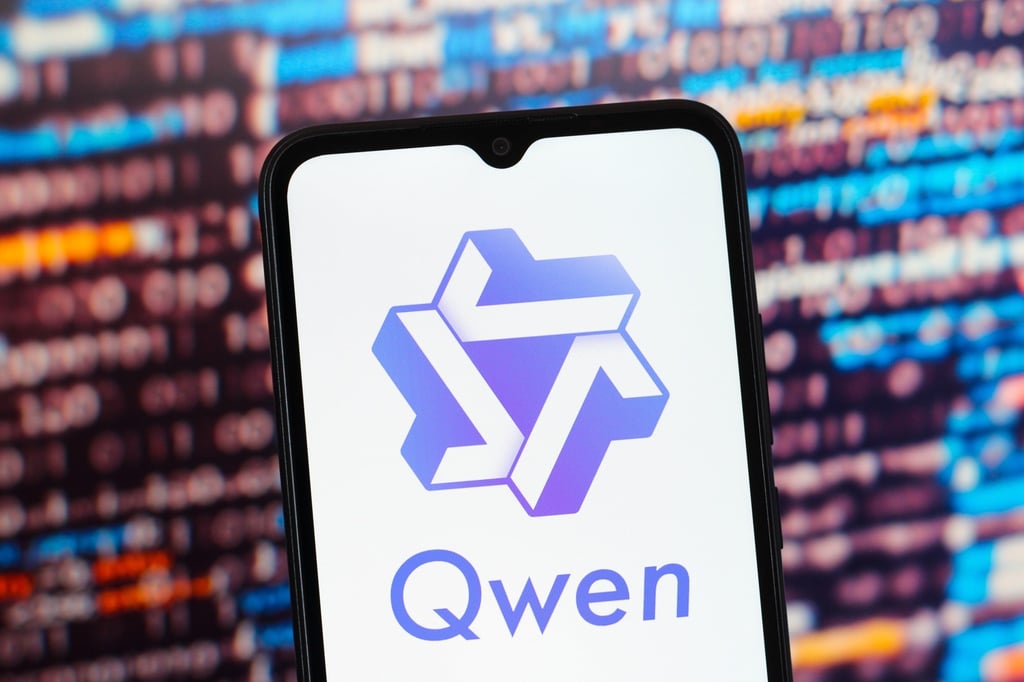
Analysts said the Qwen and Taobao integration signalled a shift from keyword-based e-commerce searches to “conversational shopping”, where consumers described needs in plain language while AI did the browsing.
Advertisement
Don't Miss:
-
A Total of 13 Mass Graves Have Been Found in Viesca Containing the Charred Remains of Men and Women
-
Jorge Luis Zambrano, alias “Rasquiña”
-
El Taliban Fell In Mazatlán… And What He Confessed Ties Everything Together
-
Inside the Camp at the Heart of Honduras’ Garífuna Land Struggle
-
This Is How the MataZetas Captured and Executed the Zetas