
 The Taliban’s New War Begins at Home
  Panama removed from EU’s tax haven ‘blacklist’ a decade after the Panama Papers
  Crackdown and Controversy: The Battle Over Beach Bars and Noise in Phuket’s Bang Tao
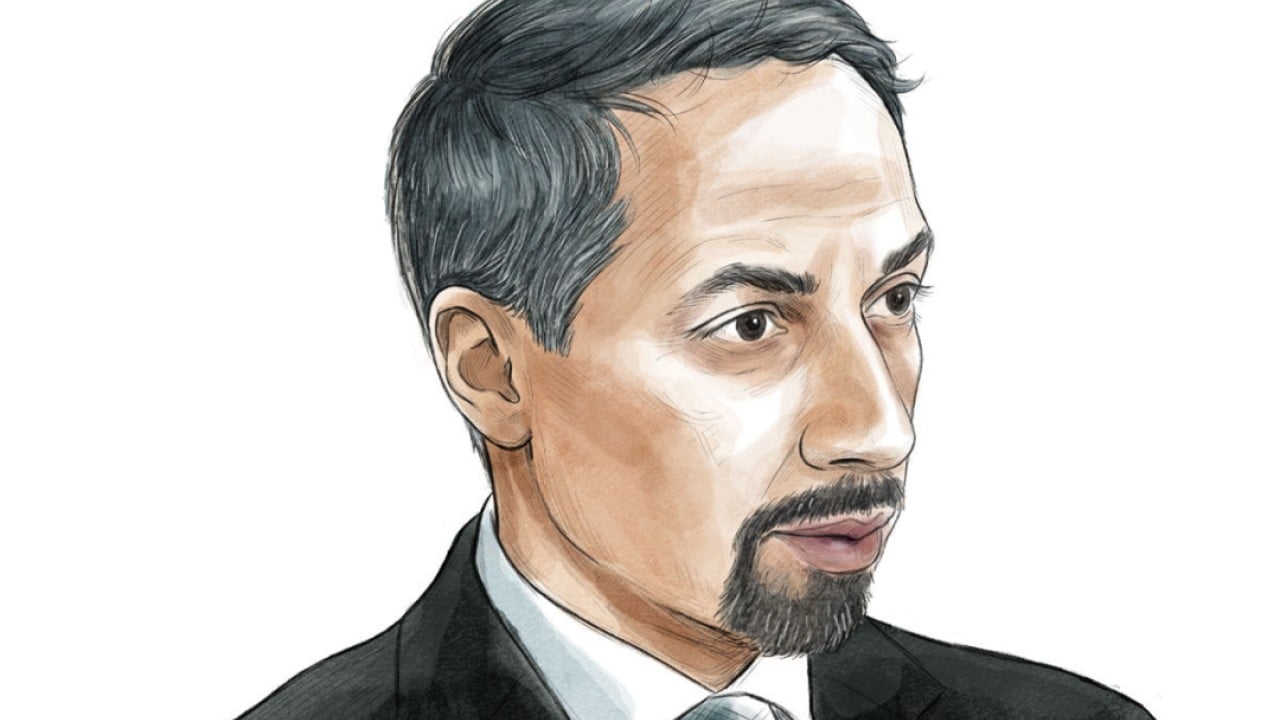
 Trita Parsi is co-founder and executive vice-president of the Quincy Institute, a Washington-based think tank. He is an expert on US-Iranian relations, Iranian foreign policy and the geopolitics of the Middle East. He has written four books on US foreign policy in the Middle East, with a particular focus on Iran and Israel. Born in Iran, Parsi moved to Sweden with his family as a child and then to the United States as an adult.
Trump’s D-Day sanctions will either fail to squeeze Tehran very hard and not much happens, or they will be hard-hitting and then the question is whether Iran counter-escalates or surrenders. And the pattern so far is really clear: Iran fears capitulation much more than escalation.
And given that [US Treasury Secretary Scott] Bessent has not listed any clear demands, Tehran will interpret the purpose of D-Day as a measure to force its surrender.
So instead of this leading to an end to the conflict, it will just start another round of the escalatory cycle.
Don't Miss:
-
Drug Trafficking, U.S. Banks, and the Economic Reality Under Trump
-
Ivan’s Mob Beheads A Los Mayos Member
-
Ex-OFAC Official: The Cartel Risk Companies Can’t See | The InSight Take
-
Why Ecuador Is Losing Its Fight Against Organized Crime
-
‘El Cromo’ Arrested in Guadalajara; He Is Linked to a Group Affiliated with the CJNG