
 Michael Marx on Corporate Campaigns in the USA
  Losing language and culture in Xinjiang
  Manila’s EV ambitions confront economic and energy realities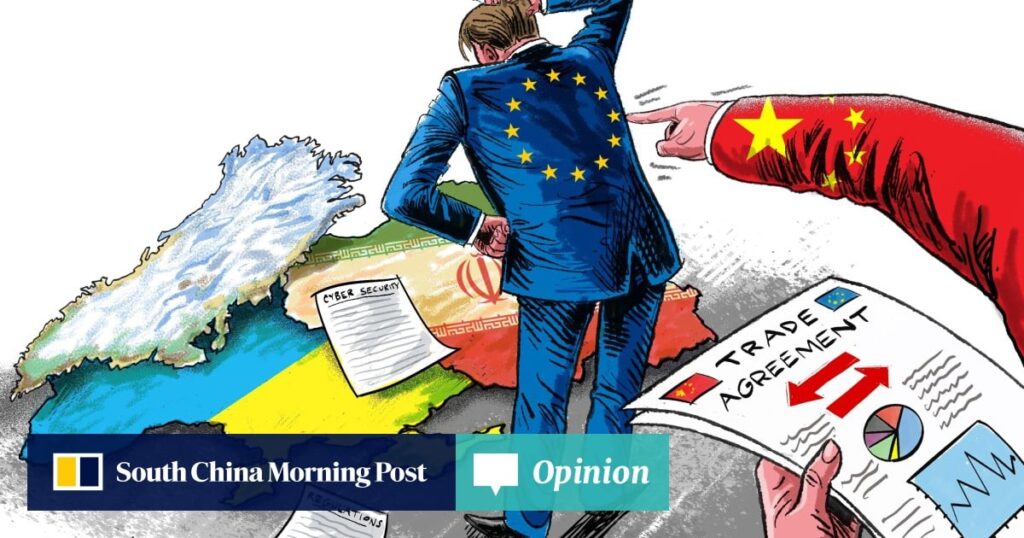
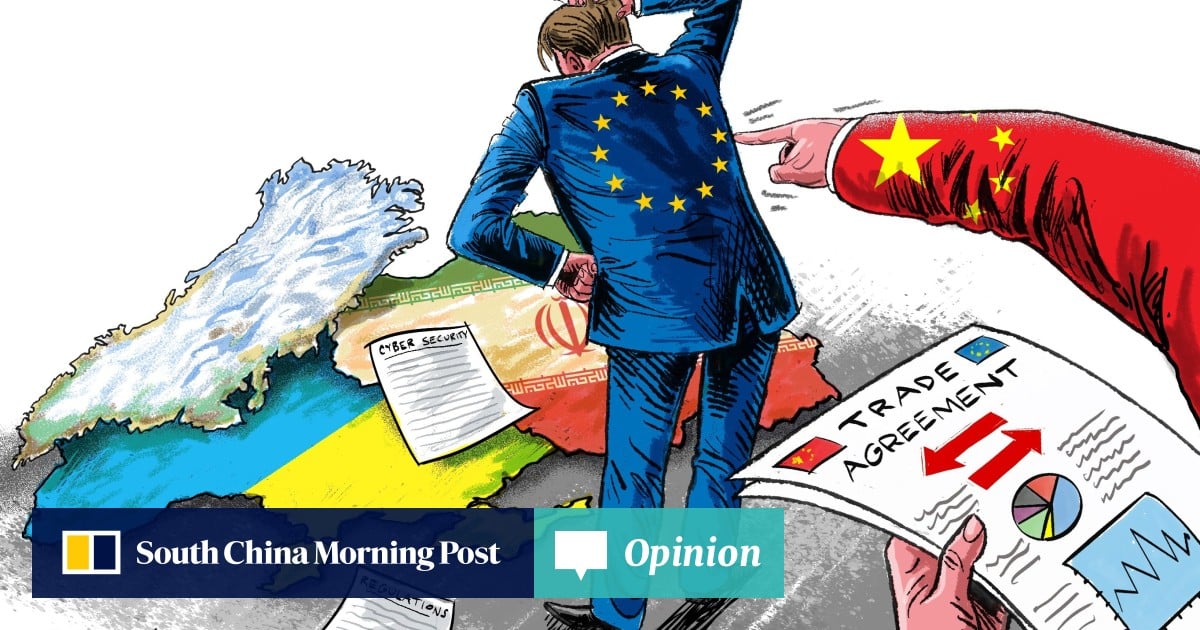
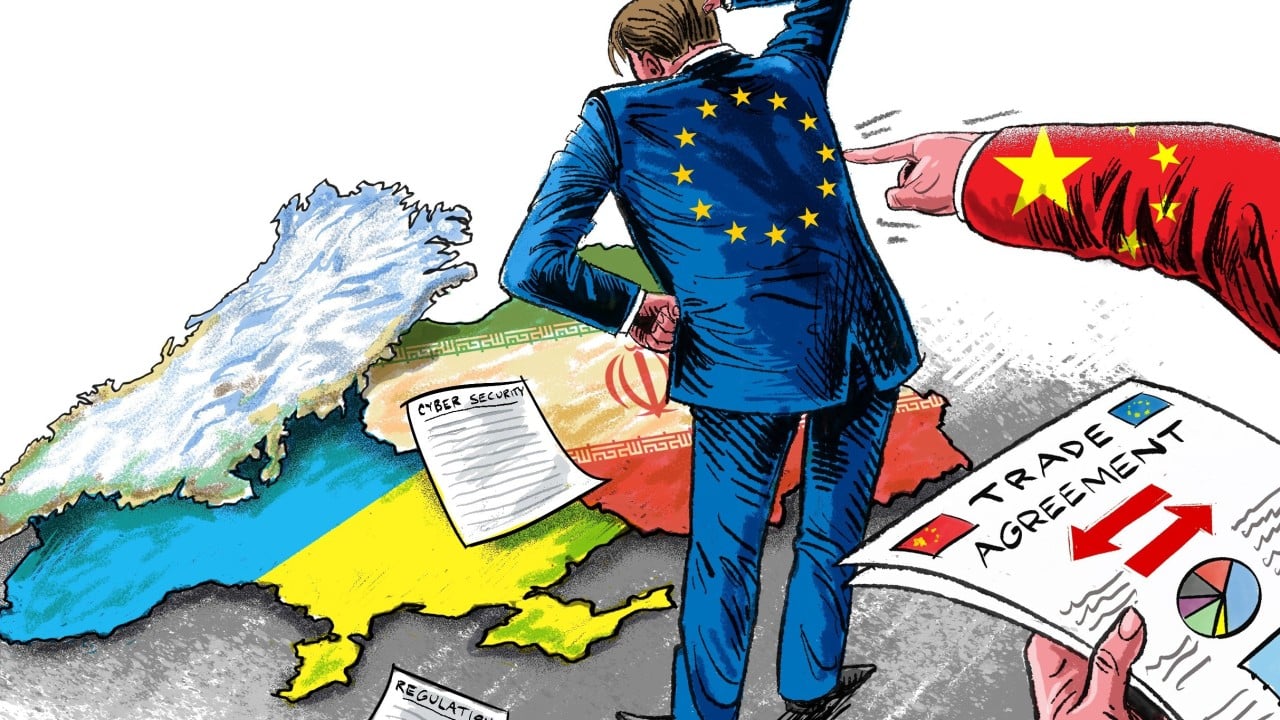
Beijing has two years to influence this: that work has already started with carrots – proposals for a trade agreement with Europe – and sticks, in the form of new legislation to punish companies that threaten Chinese interests.
That Beijing will put its own interests first is no surprise, but Europe must use the pressure from Beijing to its advantage and finally decide how it engages with China. If Europe does not act now, it will drift into geopolitical insignificance and economic decline.
Advertisement
Advertisement
From the Middle East to the Indo-Pacific, the perceived recalibration of alliances is striking. China seeks to avoid taking sides, ostensibly in view of its relationship with the US, but first and foremost because Beijing prioritises stable, diversified supplies of energy resources, alongside technological and agricultural supply chain inputs.
Don't Miss:
-
A Blow to the Caborca Cartel! ‘El Cara de Cochi,’ Wanted in the U.S. for Fentanyl, Is Captured
-
Tiguerones Leader ‘Willy’ Is Living Free in Spain
-
Video Shows CJNG Member Burying Landmine in Apatzingán, Michoacán
-
Explosives Workshop Raided after Shootout in Balleza, Chihuahua
-
The Eccentric Extravagances of “Captain Sol”: 12 Properties, a Penthouse in Tulum, and Casino Spending