
 From Iran to China: An Emerging Trans-Central Asian Corridor
  New documents show how a retail chain’s sales practices helped put guns on US streets
  Singapore a battleground of commodities fraud lawsuits
For years, the conventional wisdom in Washington was that America’s China policy was moving in one direction: tougher.
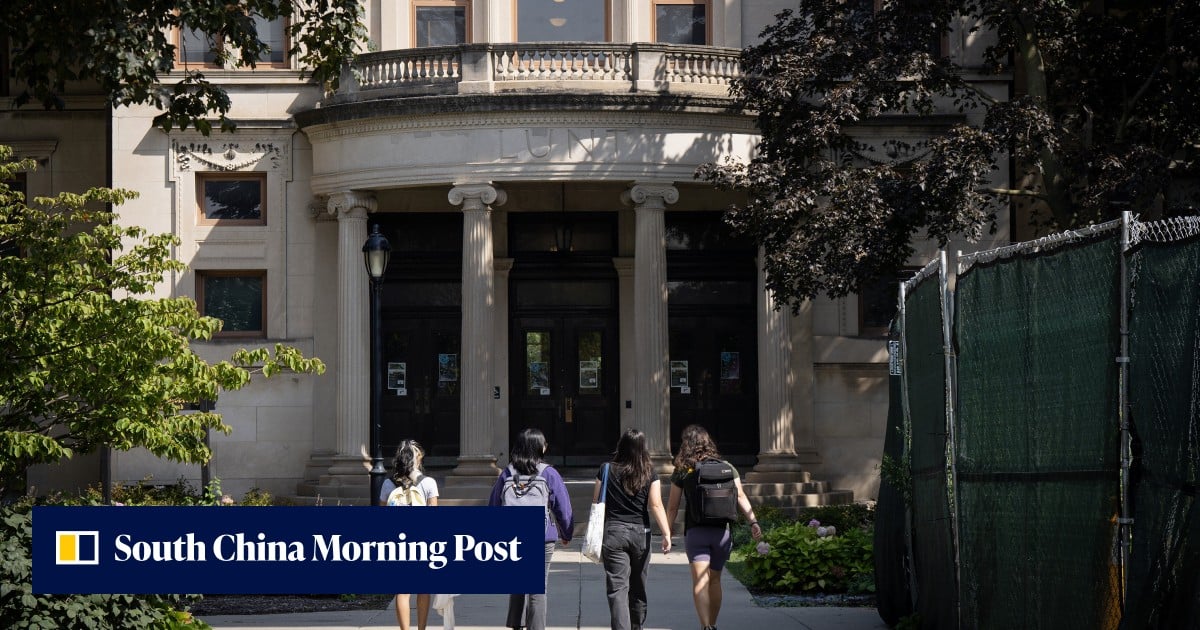
But walk into a classroom at Georgetown, Rice or another US university where the next generation of diplomats and foreign-policy professionals is being trained, and the picture looks less settled.
The question is what they will take with them. Are younger Americans beginning to see China differently from the policymakers who shaped the current consensus – or are their views simply a response to the political and economic moment?
The experts observing the shift agree that something is changing, but differ over whether it will endure, whether it will survive the pressures of Washington, and how China’s own behaviour could shape what comes next.
Don't Miss:
-
John Lee promises ‘high-quality’ experience for Apec finance meeting guests
-
John Lee urges public to tune in to Legco debate on city’s 5-year plan, policy address
-
Hong Kong prepares reforms, accountability measures ahead of Tai Po fire report
-
Turkmenistan grows its arsenal of Chinese air defences as Russia’s role shrinks
-
India sizes up US F-35 stealth jets in landmark first on home turf