
 From Iran to China: An Emerging Trans-Central Asian Corridor
  New documents show how a retail chain’s sales practices helped put guns on US streets
  Singapore a battleground of commodities fraud lawsuits
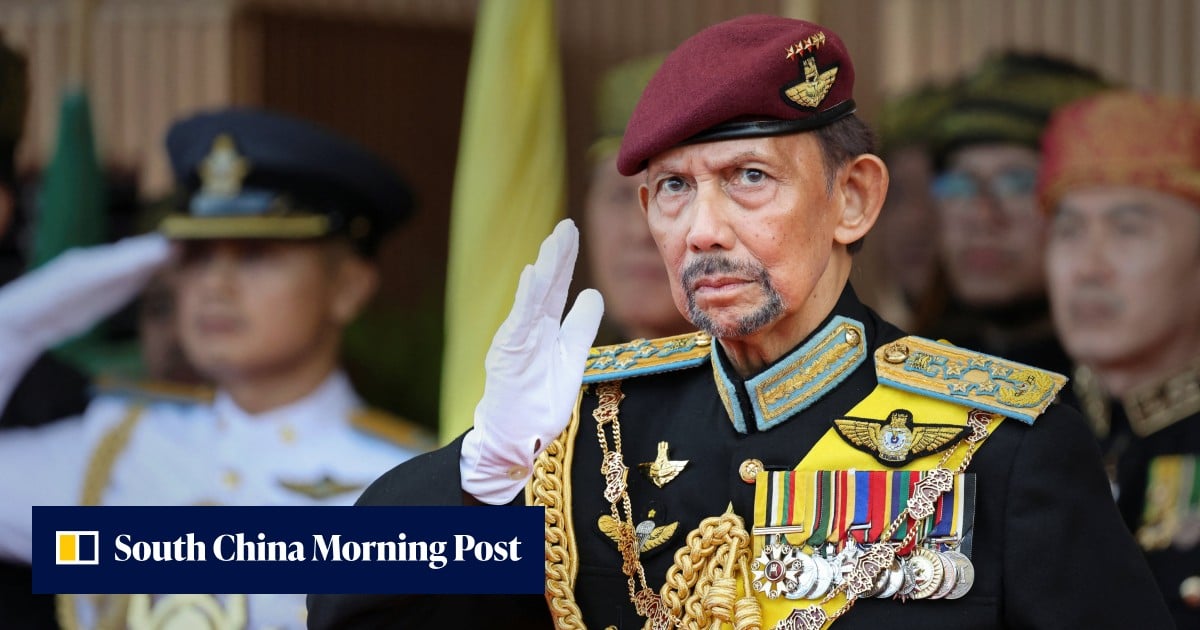
But it also offered a small example of what analysts who study Southeast Asia’s royal families describe as a wider challenge for the region’s monarchies: how to preserve authority through tradition and adaptation as public expectations change.
An official announcement dated August 7 said Pengiran Raabi’atul ‘Adawiyyah’s conduct had tarnished the monarchy’s reputation and shown disrespect towards the sultan, Queen Saleha and the royal family, but did not offer details.
One case involved hierarchy and discipline inside an absolute monarchy; the other showed the working of constitutional authority in a monarchy with limited governing power.
Yet analysts told This Week in Asia that all four faced a common test: whether they could keep adapting as politics, institutions and public expectations evolved.
Don't Miss:
-
John Lee promises ‘high-quality’ experience for Apec finance meeting guests
-
John Lee urges public to tune in to Legco debate on city’s 5-year plan, policy address
-
Hong Kong prepares reforms, accountability measures ahead of Tai Po fire report
-
Turkmenistan grows its arsenal of Chinese air defences as Russia’s role shrinks
-
India sizes up US F-35 stealth jets in landmark first on home turf