
 From Iran to China: An Emerging Trans-Central Asian Corridor
  New documents show how a retail chain’s sales practices helped put guns on US streets
  Singapore a battleground of commodities fraud lawsuits
 For decades, the three days of summer considered the hottest of the year were among the busiest for South Korea’s dog meat restaurants, as diners sought traditional stamina-boosting foods to endure the heat.
The third “boknal”, or hot day, of 2026 on Friday carried an added sense of finality. It was the last before a nationwide ban on the breeding, slaughter and sale of dogs for meat takes full effect in February 2027.
At the Moran Market in Seongnam, once the country’s best-known hubs for dog meat, lunchtime crowds filled alleyways lined with restaurants.
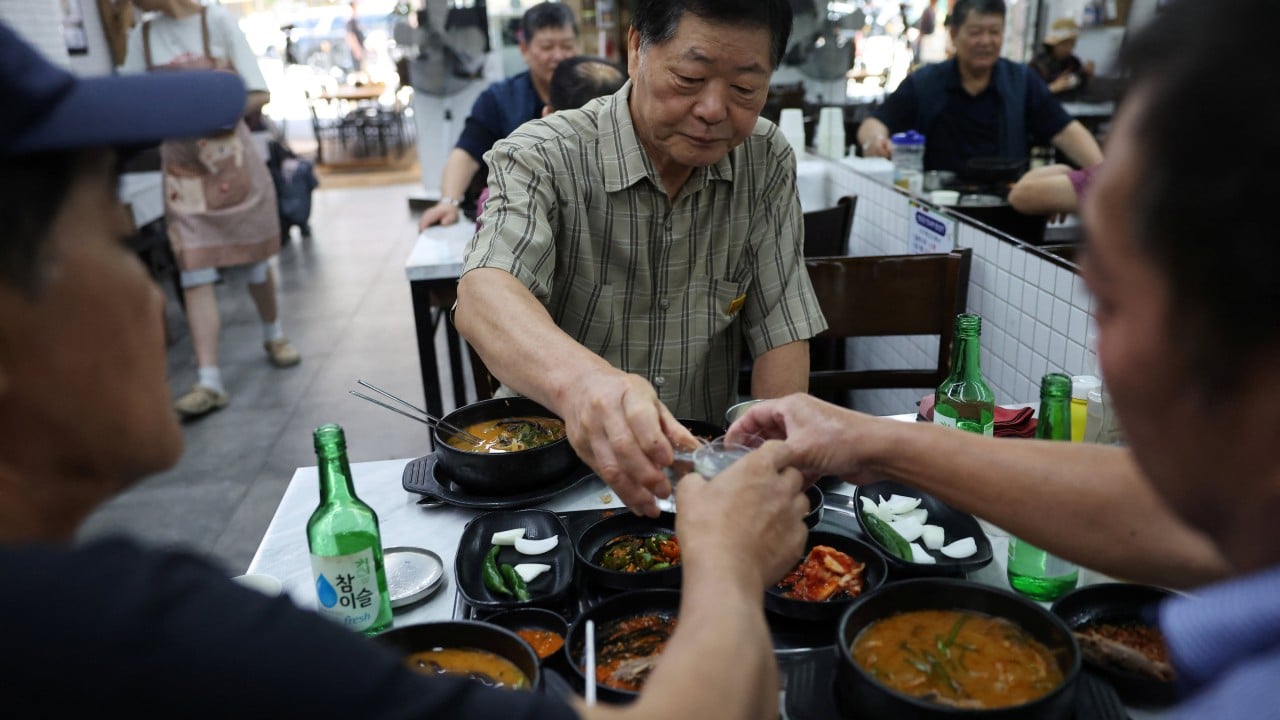
Yet many businesses have shifted to black goat stew and other alternatives, while the few customers still ordering “bosintang”, or dog meat stew, were overwhelmingly elderly.
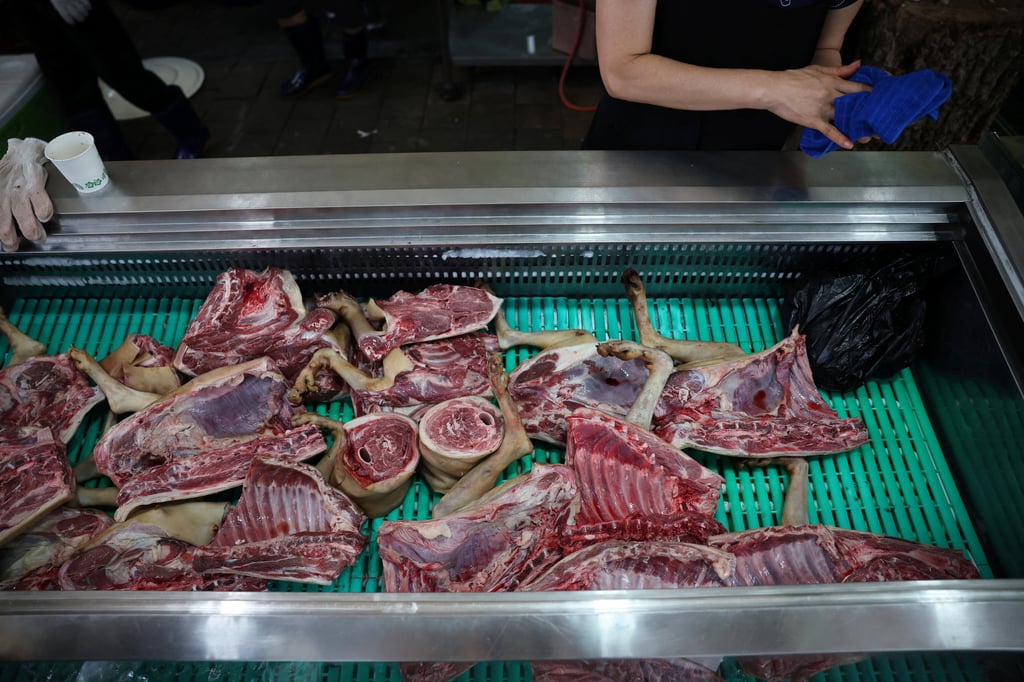
“It’s really desolate now,” said Kim Yong-book, head of the Moran Market Merchants’ Association, who has worked in the area, which is near Seoul, for more than 40 years.
Don't Miss:
-
John Lee promises ‘high-quality’ experience for Apec finance meeting guests
-
John Lee urges public to tune in to Legco debate on city’s 5-year plan, policy address
-
Hong Kong prepares reforms, accountability measures ahead of Tai Po fire report
-
Turkmenistan grows its arsenal of Chinese air defences as Russia’s role shrinks
-
India sizes up US F-35 stealth jets in landmark first on home turf