
 Philippine VP Sara Duterte’s Impeachment Trial Narrows as Stakes Remain High
  Indonesia Stock Market Faces MSCI Exile over Poor Governance
  The Taliban’s New War Begins at Home
 Air India’s request for about US$1.5 billion in fresh equity from owners Tata Sons and Singapore Airlines was first reported by Reuters this week. Singapore Airlines owns 25.1 per cent of India’s second-largest airline, with the rest owned by Tata.
News of the funding request prompted Kenneth Tiong, a lawmaker from Singapore’s opposition Workers’ Party, to urge that Temasek’s funds not be used to shore up the Indian carrier.
Singapore’s Business Times also ran a commentary arguing that Singapore Airlines could not realistically exit its Air India stake, with Tata the only plausible buyer. It questioned what its 25.1 per cent holding offered beyond a board seat and a share of the losses, while saying the strategic logic of the investment still held.
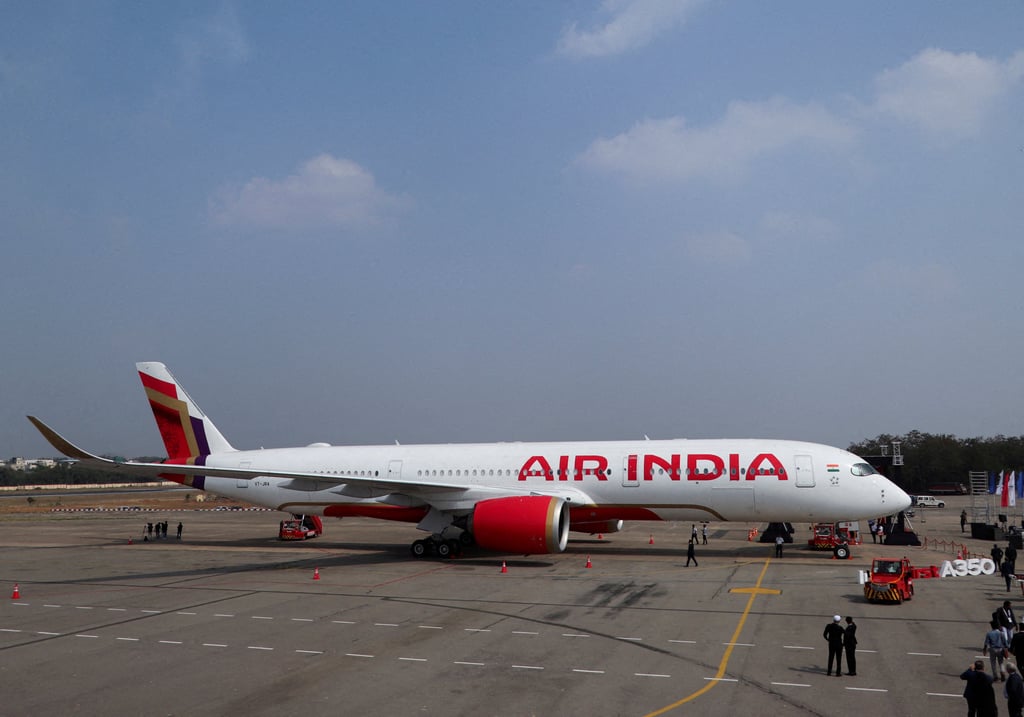
In a letter to the newspaper responding to that commentary, Juliet Teo, joint head of portfolio development at Temasek Singapore, said Temasek viewed Singapore Airlines’ decision to invest in Air India from a long-term perspective and was supportive of it.
The letter said the transformation of Air India involved complex, multi-year operational and integration challenges, with outcomes shaped by industry developments and external factors such as airspace disruptions, geopolitical developments and fuel price volatility.
Don't Miss:
-
Former Chihuahua Prosecutor Arrested for Allowing CIA Officers to Operate in the Region
-
Mexican Authorities Target the Network of U.S.-Indicted “Carlitos Rugrats”
-
Drug Trafficking, U.S. Banks, and the Economic Reality Under Trump
-
Ivan’s Mob Beheads A Los Mayos Member
-
Ex-OFAC Official: The Cartel Risk Companies Can’t See | The InSight Take