
 Canada revokes dozens of crypto firms’ registrations
  Questions swirl around US plans for record $15B Prince Group crypto seizure
  Donate to ICIJ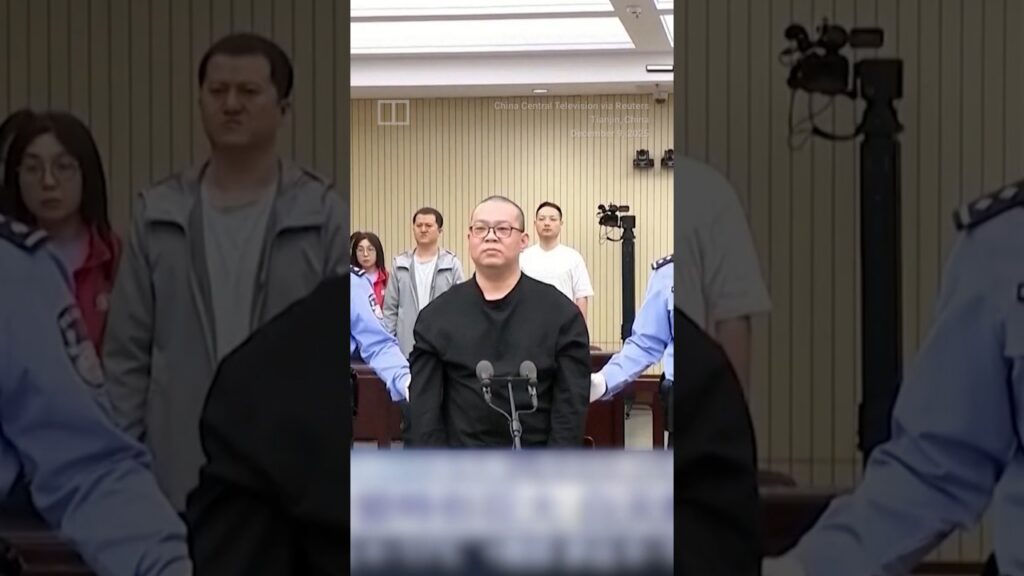
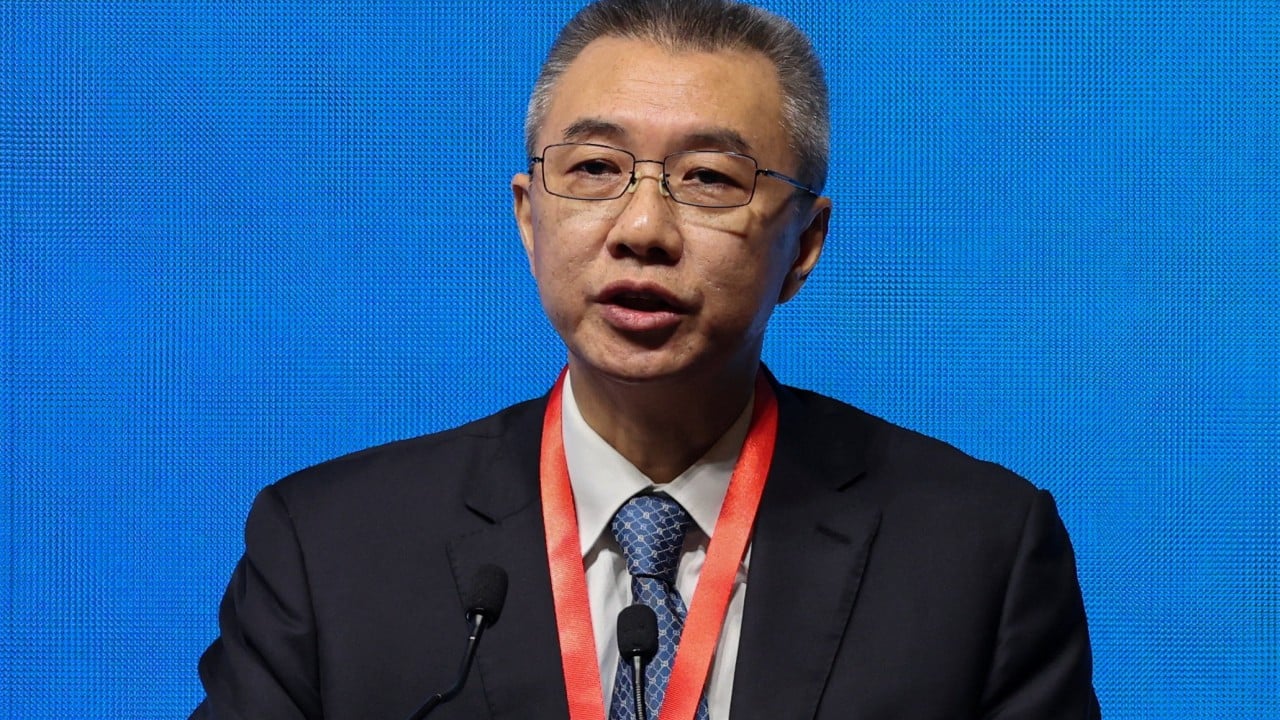
A senior Chinese financial regulator and former graft fighter has been placed under a corruption probe, officials announced on Tuesday, marking one of the highest-profile purges among China’s financial regulatory apparatus in recent years.
01:05
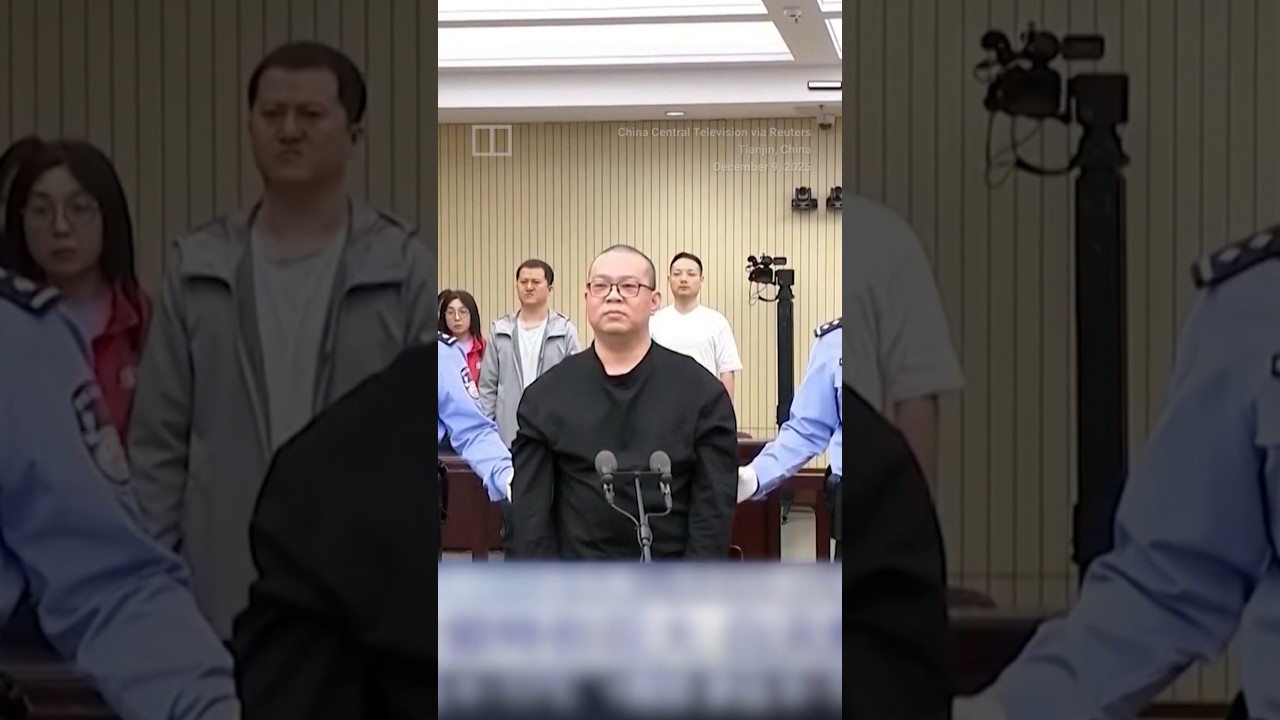
Former Chinese senior banker Bai Tianhui executed for taking US$155 million in bribes
Former Chinese senior banker Bai Tianhui executed for taking US$155 million in bribes
In the late 1990s, Zhou served in the general office of the Guangdong provincial government in southern China. He later served in the State Council System Reform Office, Beijing’s municipal government and the Hainan provincial government.
Advertisement
Before joining the financial regulatory body, Zhou was the head of the CCDI’s Organisation Department, a role that gave him significant influence over the appointment and training of the country’s graft busters.
In 2017, he was appointed vice-chairman of China’s financial regulator, then called the China Banking Regulatory Commission (CBRC), which ultimately evolved into the NFRA in 2023.
Advertisement
Zhou’s transition from corruption investigator to financial regulator was initially seen as a move to institutionalise discipline within the banking sector, and he remained a central figure amid China’s post-2017 financial regulatory restructure.
Don't Miss:
-
Seven Electricians Released after Kidnapping in Matehuala, San Luis Potosí
-
Swedish businessman in Hong Kong loses appeal over rape conviction
-
Why Vietnam is leaning on Russia to weather energy turmoil
-
China warns Japan that ‘new militarism’, ‘Takaichinomics’ risk instability
-
Visiting galleries may keep artworks in Hong Kong for months due to shipping chaos