
 The Taliban’s New War Begins at Home
  Panama removed from EU’s tax haven ‘blacklist’ a decade after the Panama Papers
  Crackdown and Controversy: The Battle Over Beach Bars and Noise in Phuket’s Bang Tao
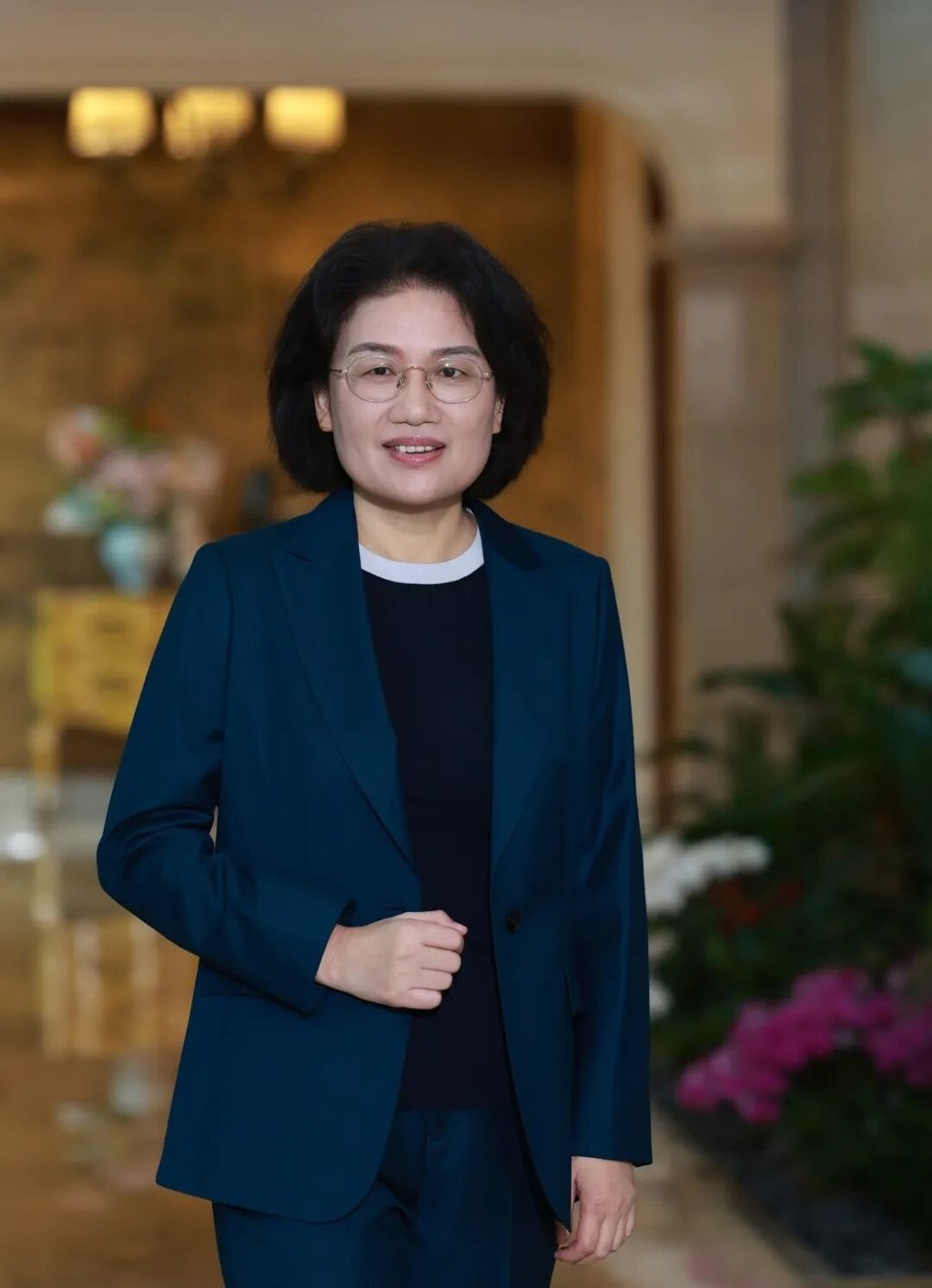
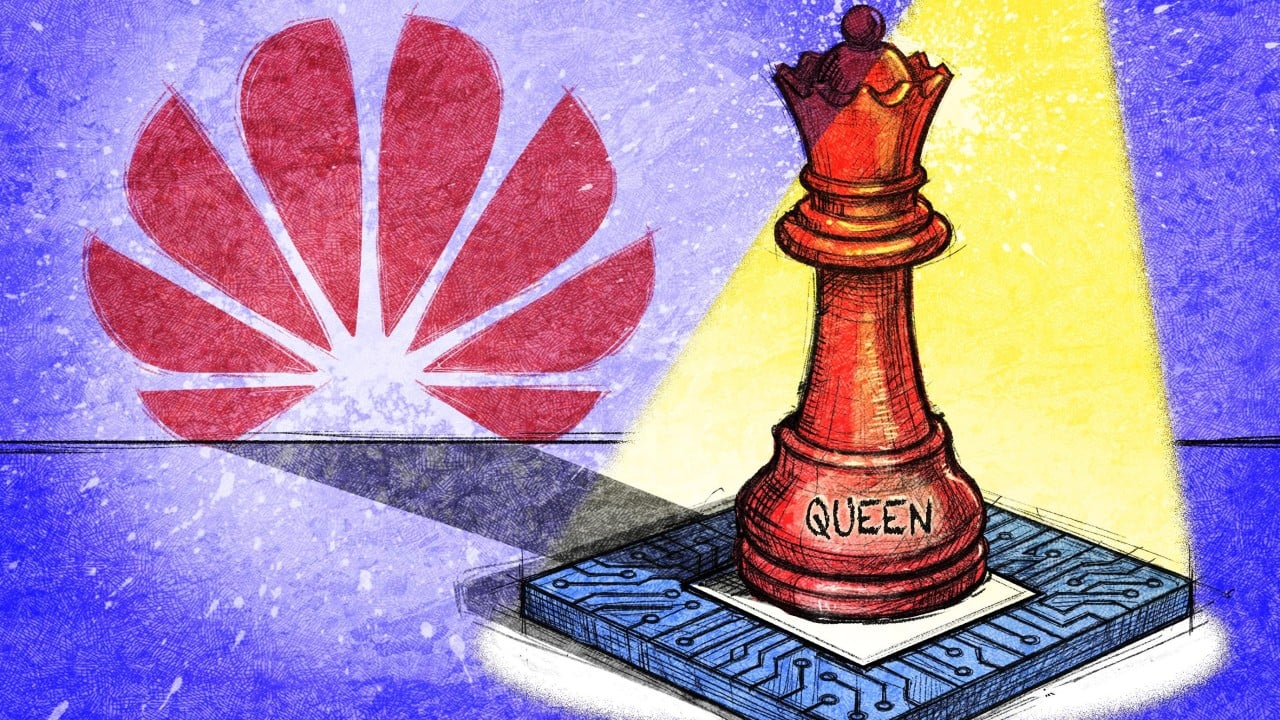
 The head of Huawei Technologies’ secretive semiconductor business – widely dubbed the company’s “chip queen” – had been out of the public view since 2019, when Washington severed the Chinese company’s global access to advanced technology, including semiconductors.
Her retreat into the background became a symbol of Huawei’s battle for survival. That all changed last month on a global academic stage in Shanghai – the IEEE International Symposium on Circuits and Systems.
Advertisement
It was there that He introduced the “Tau (τ) Scaling Law”, which Huawei claimed could achieve transistor densities equivalent to the cutting-edge 1.4-nanometre process by 2031 – all without the need for advanced extreme ultraviolet (EUV) lithography machines out of reach due to US sanctions.
Redefining ‘advanced’
For half a century, the electronics industry treated Moore’s Law – the principle that the number of transistors on a chip doubles roughly every two years – as gospel. But as silicon structures approached atomic limits, geometric scaling was yielding diminishing economic returns and hitting an architectural brick wall.
Don't Miss:
-
Drug Trafficking, U.S. Banks, and the Economic Reality Under Trump
-
Ivan’s Mob Beheads A Los Mayos Member
-
Ex-OFAC Official: The Cartel Risk Companies Can’t See | The InSight Take
-
Why Ecuador Is Losing Its Fight Against Organized Crime
-
‘El Cromo’ Arrested in Guadalajara; He Is Linked to a Group Affiliated with the CJNG