
 Statement on missing ICIJ journalist Micah Reddy
  TRANSCRIPT: ‘China Retains Levers for Long-Term Territorial Ambitions’
  On Indonesia’s new oligarchy, China’s state bank, and other stories | Asia Sentinel Stories of the Week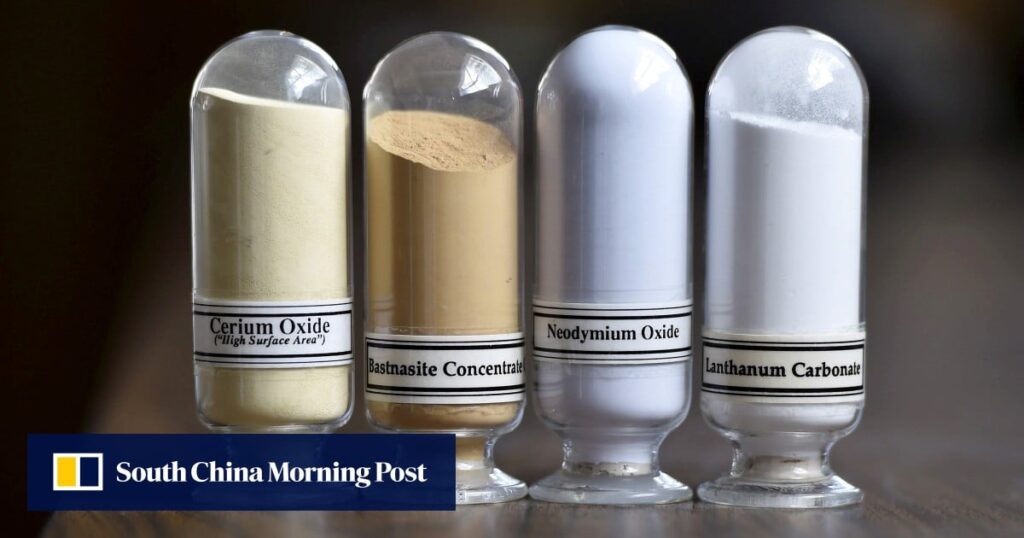
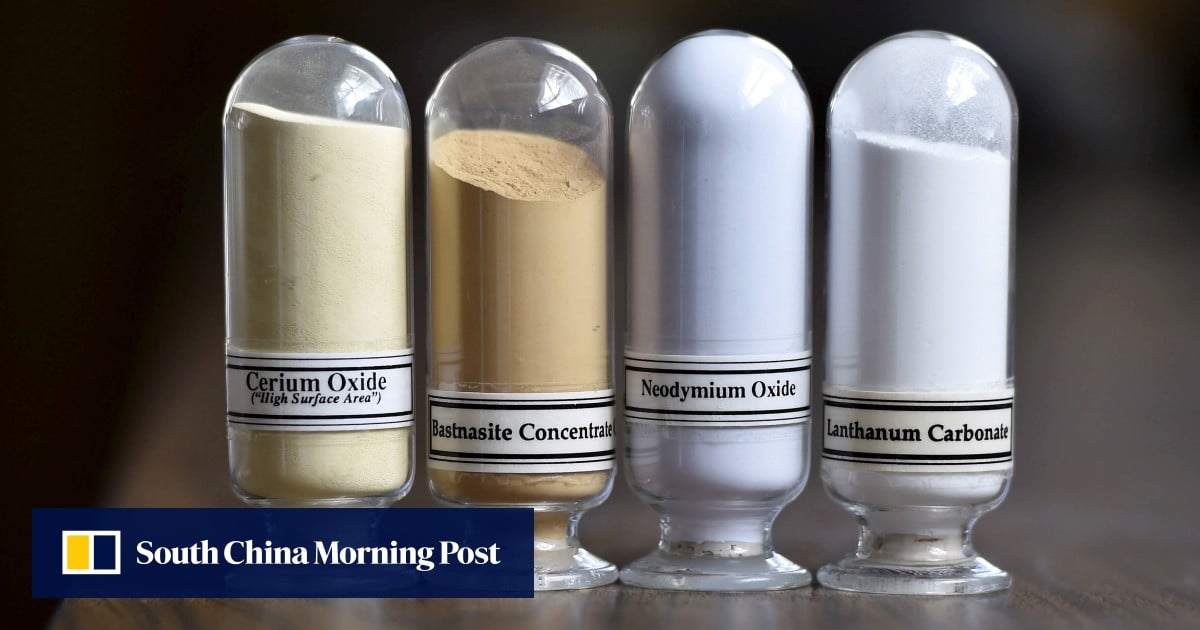
Far from a radical policy shift, industry observers view the directive as a long-overdue enforcement crackdown designed to inflict short-term contractor pain for long-term national security gain.
While contractors face immediate hurdles to requalify suppliers and find non-Chinese alternatives, US analysts said the market adjustments were manageable, though delivery timetables for future military hardware could slightly stretch.
They also warned that true strategic independence needed sustained, long-term capital investment in non-Chinese midstream processing.
Signed on July 20 by US President Donald Trump, the executive order significantly tightens the conditions under which the Department of Defence can issue waivers for defence-critical imports from China, Russia, Iran and North Korea.
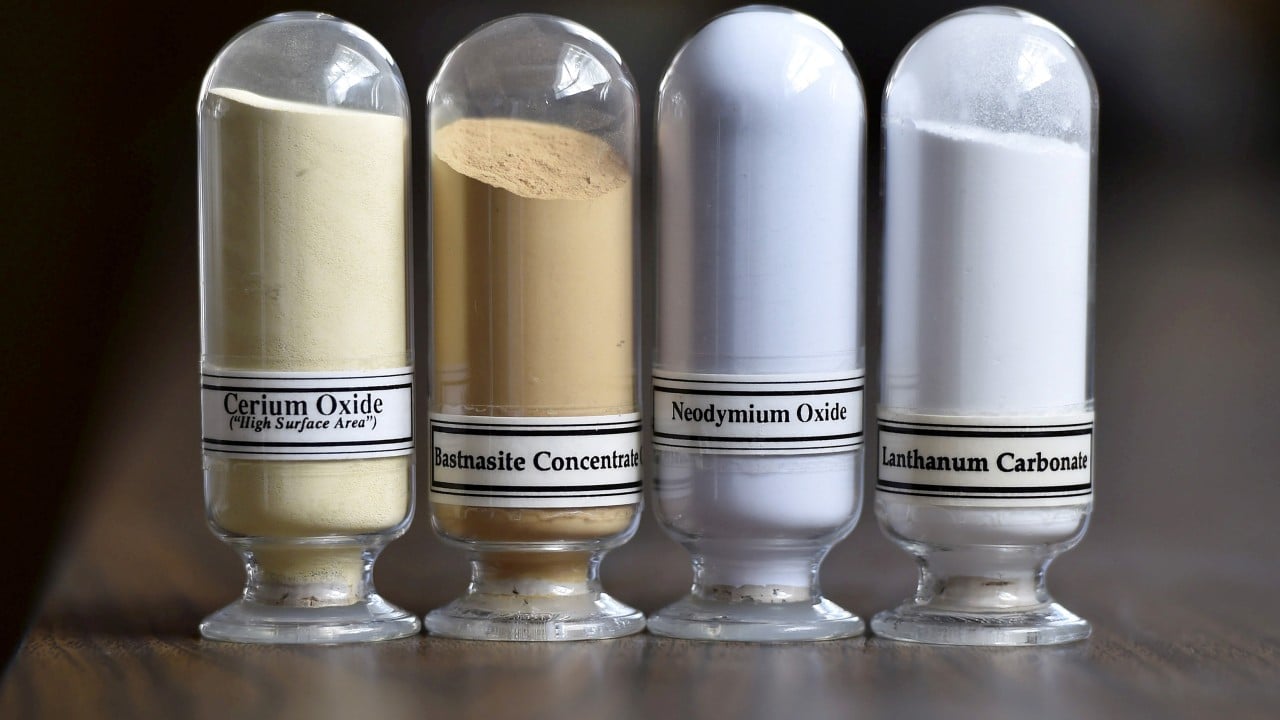
US defence procurement rules strictly prohibit sourcing from adversary states certain “covered materials” – ranging from rare earth magnets to newly added inputs like gallium and germanium – with exemptions available under waiver conditions.
Don't Miss:
-
Thousands march in France against ‘licence to kill’ draft law
-
Germany’s Merz vows to press ahead with reforms after historic state election defeat
-
UK’s Burnham congratulates Trump and Danish PM on Greenland deal
-
Italy’s Meloni plans to ban burkas, niqabs in schools and cap foreign pupils in classrooms
-
US, China seek Xi-Trump summit deliverables in New York talks