
 New documents show how a retail chain’s sales practices helped put guns on US streets
  Singapore a battleground of commodities fraud lawsuits
  From Propagandist to Criminal
 North Korea launched multiple short-range ballistic missiles towards the sea on Sunday, its neighbours said, days after the UN’s nuclear watchdog warned that North Korea was making “very serious” advances in efforts to build nuclear weapons.
The missiles fired from the North’s Sinpo area flew about 140 kilometres (87 miles) each towards the country’s eastern waters, South Korea’s Joint Chiefs of Staff said. It said South Korea maintains a readiness to repel any provocations by North Korea and is closely exchanging information with the US and Japan.
Advertisement
The US and Japanese militaries also said they detected the launches. The US Indo-Pacific Command said it remains committed to the defence of the US homeland and its allies in the region. Japan’s Defence Ministry said Tokyo strongly protested to Pyongyang, saying the launches threaten regional and international peace and violated UN Security Council resolutions that ban any ballistic activities by North Korea.
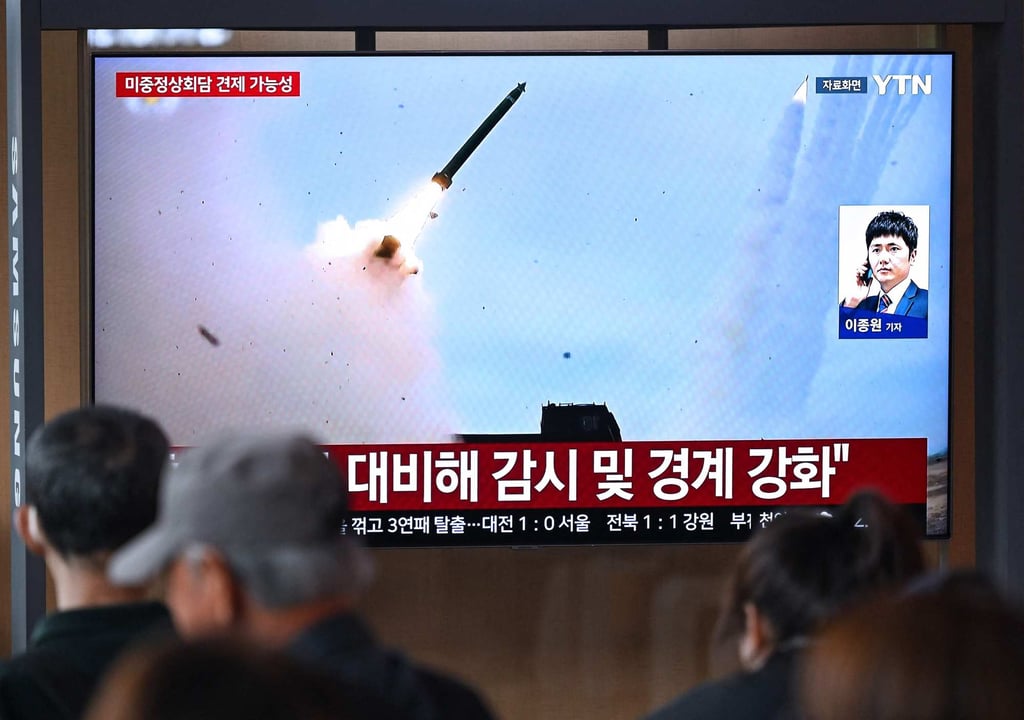
Sinpo, the launch site, is an eastern coastal city in North Korea where it has a major shipyard used for building submarines.
Advertisement
South Korea’s military was analysing whether the latest launches were made from a submarine, a land-based launcher or both platforms, according to South Korean media. Asked about where the missiles were launched, Japan’s Deputy Minister of Defence Masahisa Miyazaki told reporters that Japan was analysing launch details in coordination with the US and South Korea.
Don't Miss:
-
Former American Idol singer Caleb Flynn sentenced to life in prison for wife’s murder
-
Bogota mayor presses Chinese-led consortium for more metro workers as auditors flag delays
-
ICC unseals arrest warrants for 4 Taliban leaders wanted on gender persecution charges
-
Quebec votes in provincial election as separatist surge poses test for Canada’s PM Carney
-
“Here, We Confront Drug Traffickers Daily… And The U.S.?”