
 When Great Powers Talk, Who Speaks for Asia
  About the China Capital investigation
  Frequently asked questions about the China Capital investigation
 The European Union rolled out a new team on Friday to rein in AI companies across the world, in one of the most aggressive regulations the hi-tech sector has so far faced as fears rise over the risks the rapidly advancing technology poses to people, politics and prosperity.
Brussels aims to track the use of AI models for violations of its new regulations, like the publishing of sexually explicit material, fake photos and videos, and cyber threats to public infrastructure.
When the bloc’s AI Act comes into force on Sunday, AI companies will be required to make clear to consumers with labels or digital watermarks that chatbots or imagery are generated with AI.
“As enforcement begins, we are taking an important step towards AI that people and businesses can understand and trust, and whose benefits are shared widely across our society,” said Henna Virkkunen, the EU chief for tech sovereignty, on Friday.
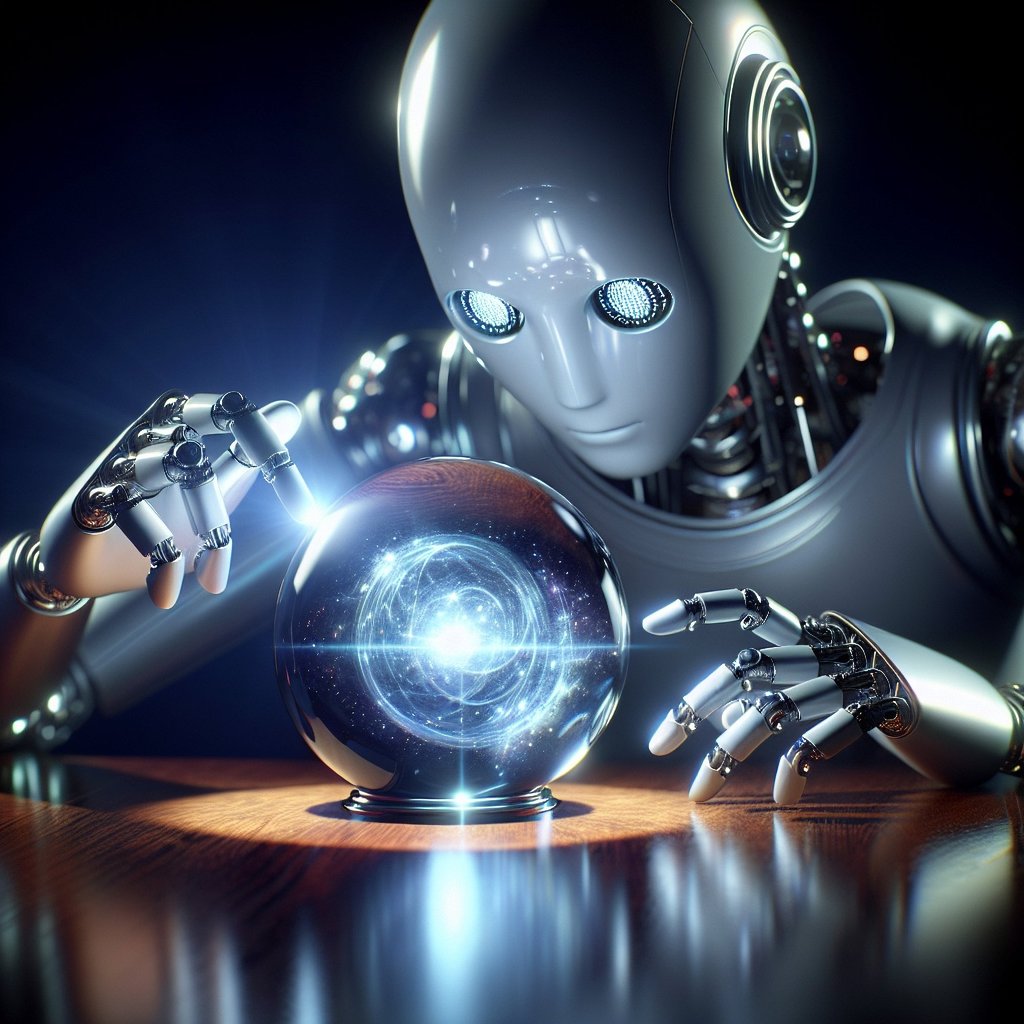
The European Commission said in a statement that new regulations also include “systemic risks” posed by AI like “chemical, biological, radiological and nuclear incidents, loss of control, cyber offence, harmful manipulation and threats to fundamental rights”.
Don't Miss:
-
China urges ‘constructive dialogue’ with EU in high-level call with France
-
Hong Kong airport builds third runway with strategy to help marine environment thrive
-
Cambodia, Thailand take US$300 billion seabed dispute to UN
-
Hong Kong visitor arrivals hit post-pandemic monthly high in August
-
Indonesian finance minister found out about his firing in mid-meeting phone call