
 Unequal Relationship: Lancang-Mekong Cooperation
  On China’s territorial push, coal’s comeback, and other stories | Asia Sentinel Stories of the Week
  Hasina’s Shadow Dogs Bangladesh ties with India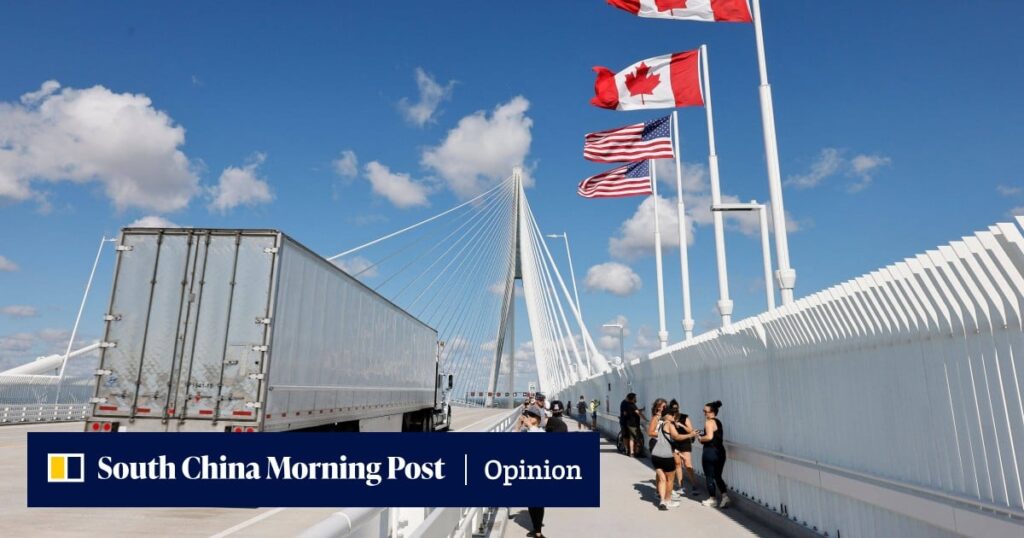
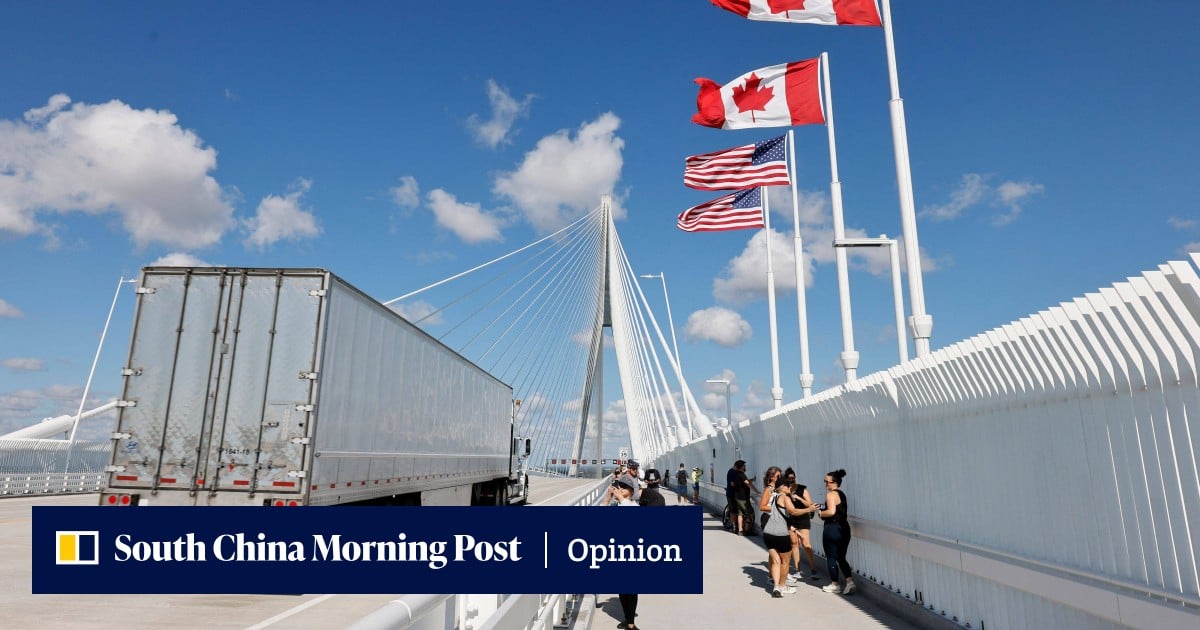
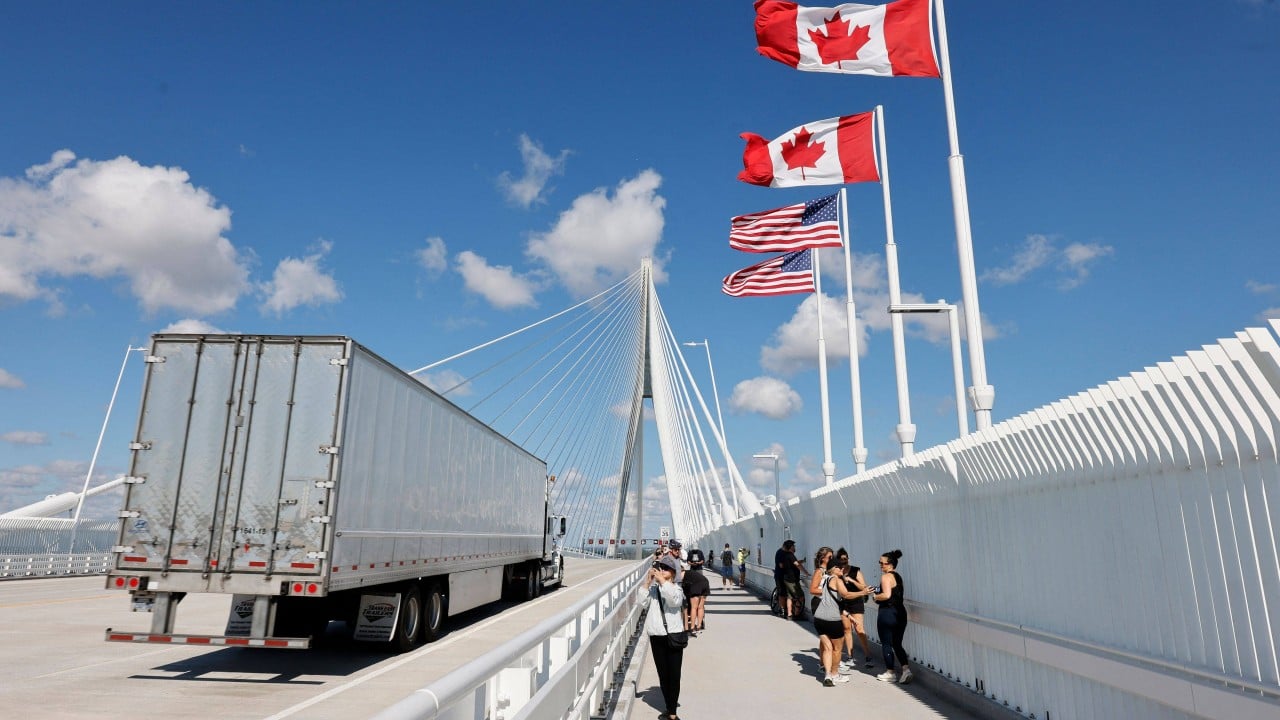
For anyone who has spent time living in Canada, the country’s default posture towards its southern neighbour has long felt almost hard-coded: polite, deferential, almost allergic to confrontation.
I saw this first-hand as a visiting scholar in the country in the early 1980s, when I met locals who embodied the national stereotype of moderation in all things. Canadians preferred compromise even when they had a right to push back, treating their far larger ally as a partner to be accommodated, not challenged.
This was not weakness but a deliberate choice rooted in geography, history and a belief that good relations with the United States were essential to Canadian prosperity. This is why Canada’s recent decision to walk away from talks and impose counter-tariffs on American goods landed like a thunderclap.
On August 22, after the US applied 50 per cent tariffs on US$20 billion worth of Canadian goods, Prime Minister Mark Carney announced that Canada would impose matching tariffs on American exports of the same scale.
Canada sends nearly three-quarters of its merchandise exports to the United States, it shares a border of nearly 9,000 kilometres with it and it is deeply integrated with its military and security apparatus through the North American Aerospace Defence Command. Its choice to stand up to the US is more than a news story – it is a turning point.
This rebellion of the reasonable carries three profound implications for the global order. For one, Canada’s stance should shatter any lingering illusions among US allies. The Trump administration’s treatment of Canada – including openly suggesting Canada should become the 51st state and reportedly demanding rollbacks of French-language and Quebec cultural protections – shows its nationalist world view respects no friendship, however old or intimate.
Don't Miss:
-
Iran is set to unveil temporary Hormuz agreement to Gulf nations on Monday
-
Ahead of US Fed meeting, Trump says America should have world’s lowest interest rate
-
Senior Western figures at Ukraine station before Russia train strike, rail operator says
-
Carney pushes idea of making Canada an ‘associate member’ of the EU: reports
-
French must come first, far-right leader Le Pen says at election campaign launch