
 Unequal Relationship: Lancang-Mekong Cooperation
  On China’s territorial push, coal’s comeback, and other stories | Asia Sentinel Stories of the Week
  Hasina’s Shadow Dogs Bangladesh ties with India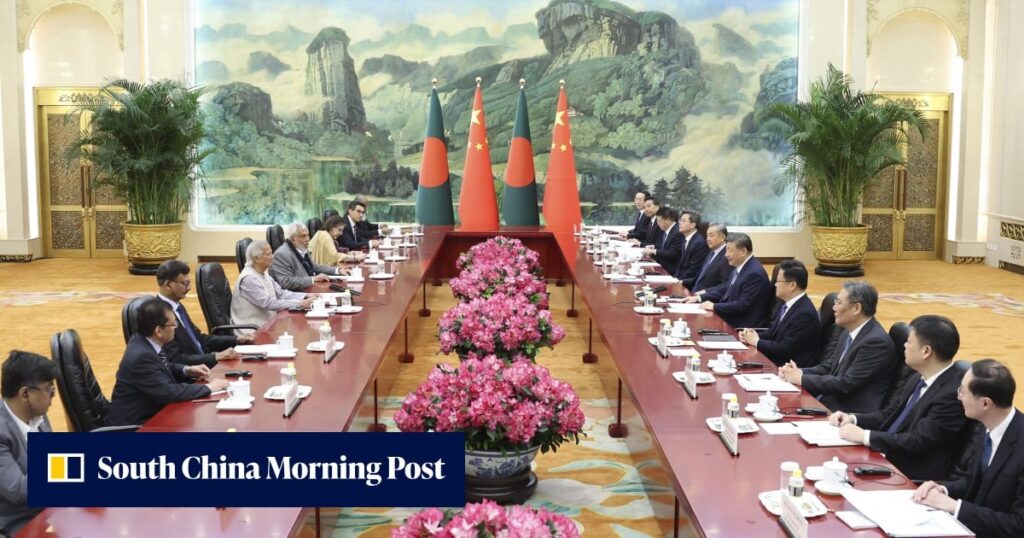
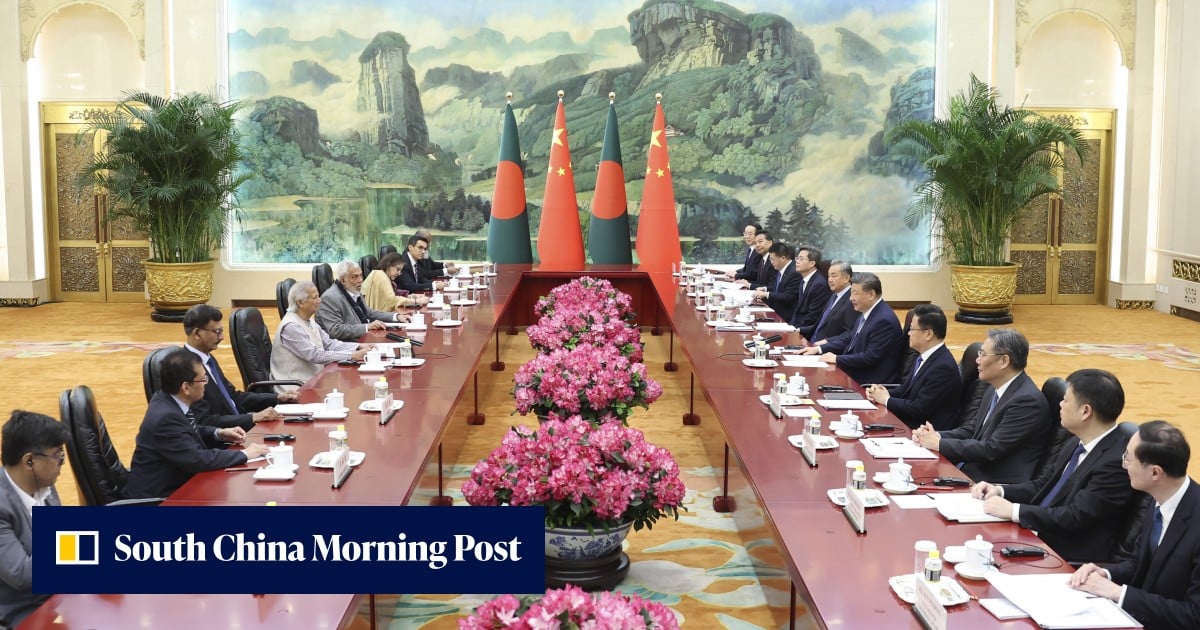
Under an interim government led by Nobel laureate Muhammad Yunus, and then the Bangladesh Nationalist Party (BNP) after it came to power in February, the country’s diplomatic, economic and strategic ties with Beijing have deepened.
Both sides are preparing to launch a “2+2” dialogue covering diplomacy and defence, adding a new layer to bilateral ties that already span infrastructure development and trade. Humaiun Kobir, Bangladesh’s state minister for foreign affairs, announced the move after meeting Chinese Ambassador Yao Wen on August 30.
Shafi Md Mostofa, an associate professor specialising in South Asian foreign policy at the University of Dhaka, said the dialogue carried regional diplomatic implications and reflected a deliberate effort by Dhaka to diversify its external partnerships.
“China is indispensable for infrastructure, trade and defence modernisation, while Bangladesh also remains engaged with India and other partners,” Mostofa said. “This hedging strategy allows Dhaka to secure economic benefits and advanced technology from Beijing, while avoiding overdependence on any single power.”
Don't Miss:
-
Iran is set to unveil temporary Hormuz agreement to Gulf nations on Monday
-
Ahead of US Fed meeting, Trump says America should have world’s lowest interest rate
-
Senior Western figures at Ukraine station before Russia train strike, rail operator says
-
Carney pushes idea of making Canada an ‘associate member’ of the EU: reports
-
French must come first, far-right leader Le Pen says at election campaign launch