
 Five years after the Pandora Papers, transparency laws lose their teeth
  How Hungary’s richest man funneled millions into Orbán’s propaganda machine
  How Real Is the US Withdrawal from the Middle East?
 Middle Eastern governments are dusting off decades-old proposals for overland oil and gas pipelines, and urgently drawing up plans for new rail-sea transport corridors in a belated response to the wartime disruption of major maritime trade through the Strait of Hormuz and the Red Sea.
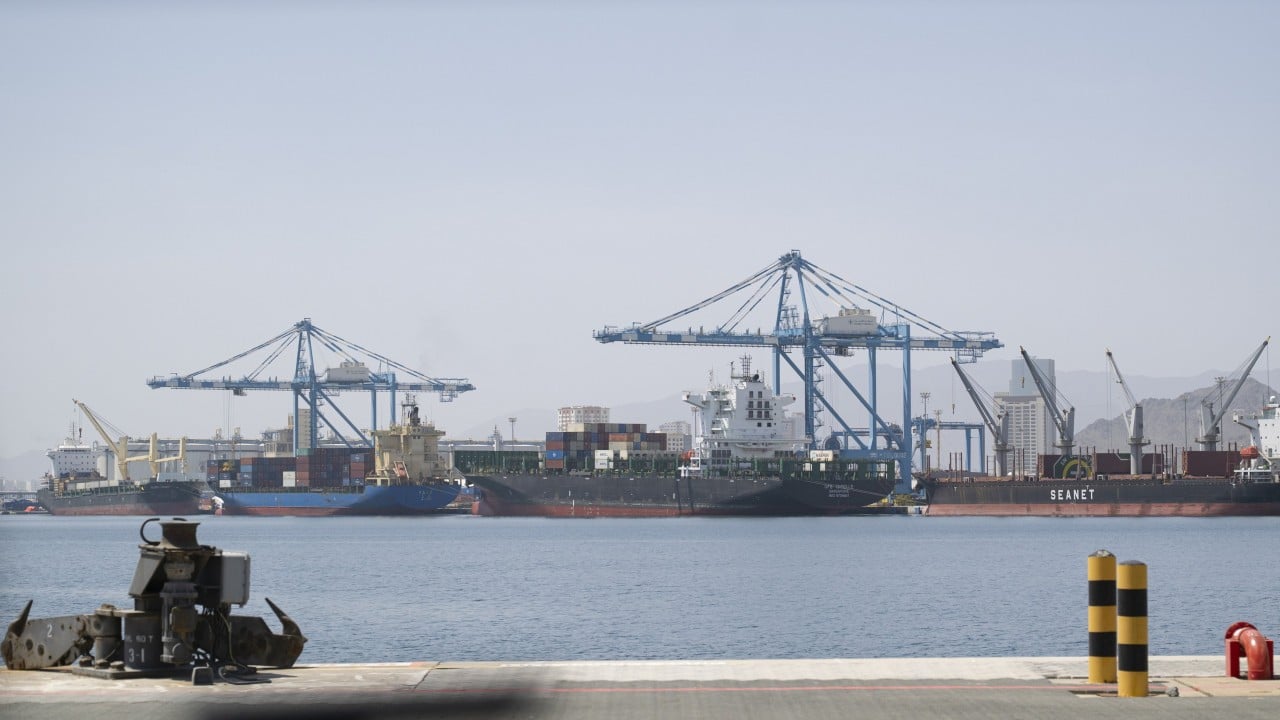
With the threats to these key shipping lanes and economic infrastructure set to linger after the multifront conflict between the US-Israel alliance and the Iran-led Axis of Resistance draws to a close, other governments in the region – led by Saudi Arabia, Turkey and the United Arab Emirates – are looking to build a new trade architecture with multiple nodes linking the Indian Ocean to the Mediterranean Sea.
These new projects reflect what analysts describe as a “structural shift” in the Middle East’s logistics, moving away from dependence on the region’s established but vulnerable infrastructure in the Persian Gulf.
Advertisement
“Eventually a return to utilising established infrastructure will resume, but that won’t necessarily fully stop structural shifts that started in the meantime,” said Robert Mogielnicki, founder of PoliSphere Advisory, a Middle East-focused geoeconomic consultancy based in Paris.

The proposed alternative routes for commercial cargo would flow from ports in the UAE and Oman located outside the Persian Gulf, overland by rail through Saudi Arabia to Jordan, and then onwards through either Egypt’s Suez Canal or the Syrian ports of Latakia and Tartus.
Advertisement
Don't Miss:
-
Two Years On, the Sinaloa Cartel War Changes Shape | The InSight Take
-
US wraps up military mission in Iraq, giving Baghdad room to strengthen China ties
-
As China and the EU begin crunch trade talks, optimism is in short supply
-
Data centre opposition is growing in Australia. Is there a middle ground?
-
Helper arrested for allegedly slapping 5-year-old boy after he refuses to eat