
 How Real Is the US Withdrawal from the Middle East?
  From Iran to China: An Emerging Trans-Central Asian Corridor
  New documents show how a retail chain’s sales practices helped put guns on US streets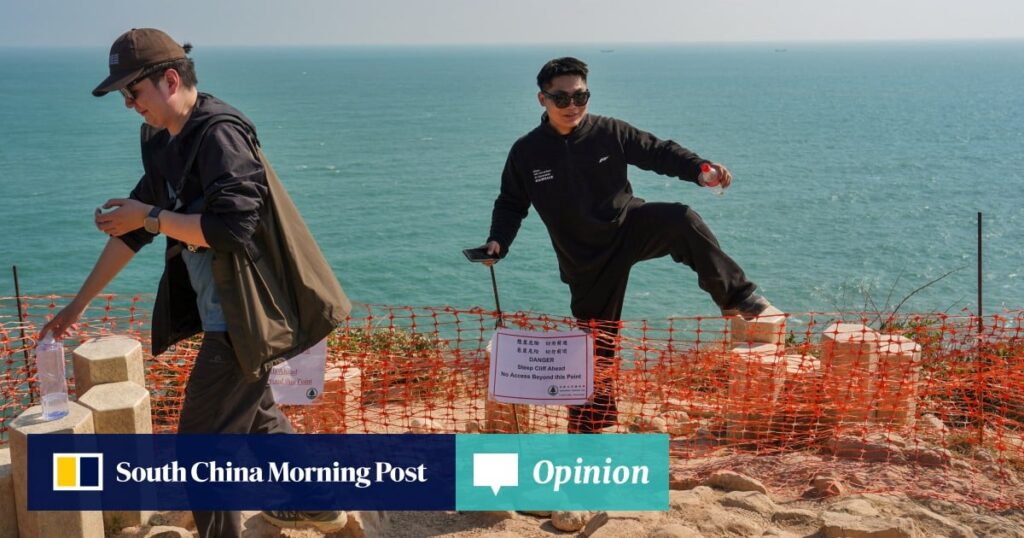
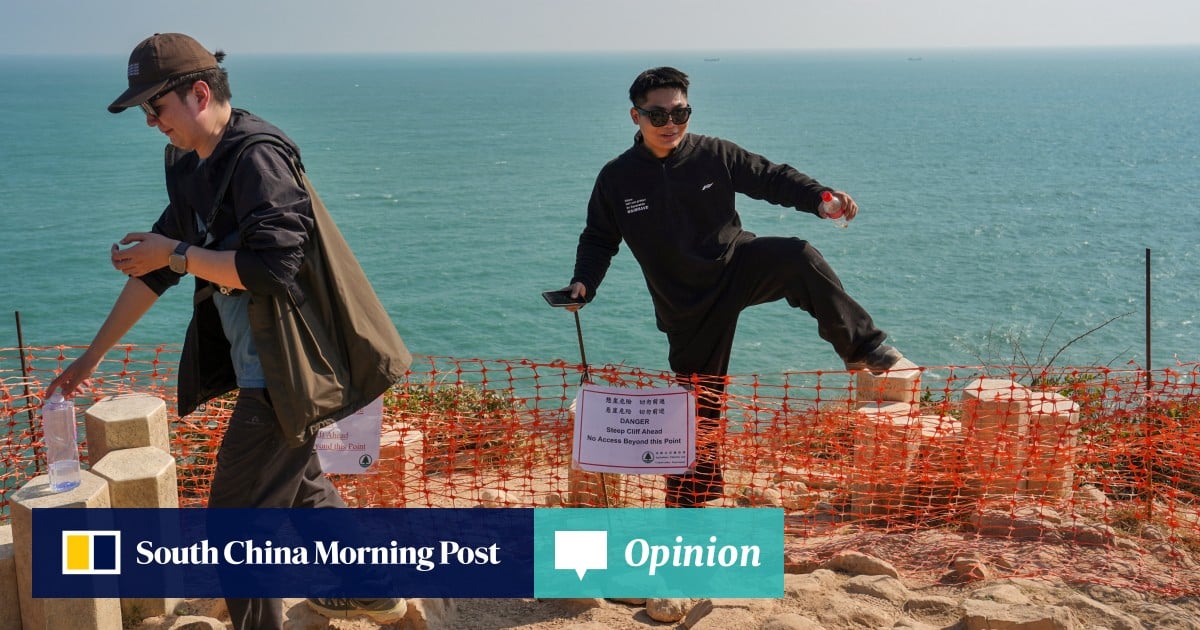
For decades, Hong Kong’s tourism success rested on a clear formula: shopping, dining and urban experiences. That model is losing momentum. Overnight visitor spending has fallen from around HK$193 billion (US$24.6 billion) in 2015 to HK$128 billion last year. Shopping has declined sharply as spending shifts to sightseeing and experiences. Travellers are no longer coming only to consume – they seek a connection to nature, culture and place.
Advertisement
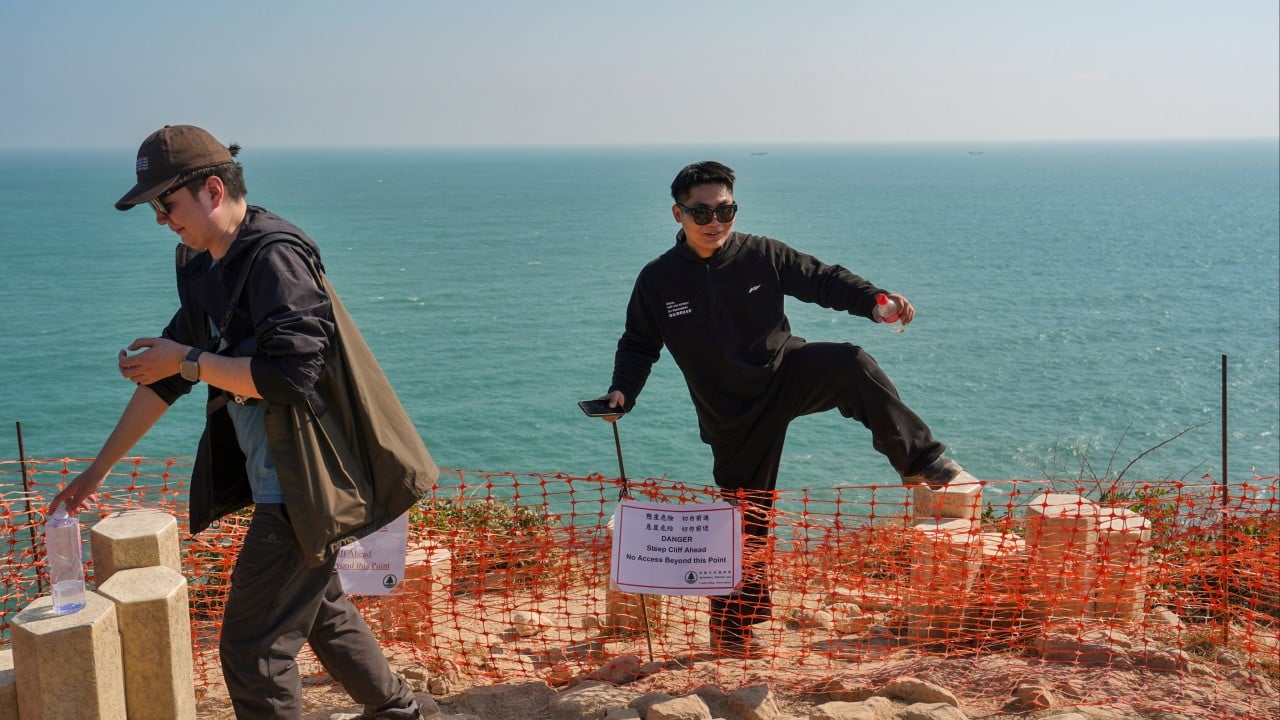
This creates a contradiction. If ecotourism is meant to protect nature, why are some of our most visited eco-destinations under increasing pressure?
Advertisement
The issue is implementation. In Hong Kong, the framework for ecotourism is fragmented. Policy references are often conceptual, guidelines are largely non-binding and responsibilities are distributed across multiple actors: government departments, site managers and community groups – without a clear mechanism to align incentives or enforce outcomes.
Don't Miss:
-
Canada will not allow assisted suicide for those with only mental illness
-
Trump wants to turn Florida golf course into presidential retreat
-
US proposes US$70,000 fee for foreign students to work after graduation
-
France halts use of stun grenades in policing of student protests
-
The Jalisco Cartel: At Its Weakest Point in History