
 Rick Claypool on Pay to Play Corporate Crime Enforcement
  Labaton Launches Whistleblower Practice with Former SEC Acting Chair Allison Herren Lee
  Kremlin payment firm A7 has been pumping billions in ‘untraceable’ cash into global financial system
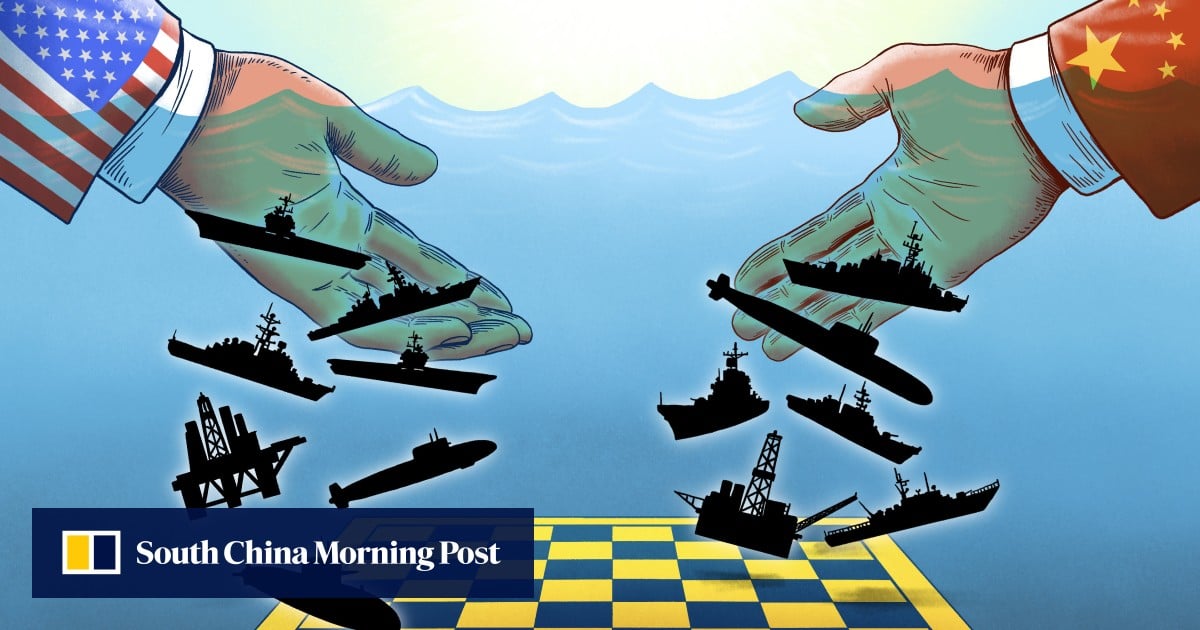
US President Donald Trump’s landmark visit to China comes as the Iran war disrupts global energy supplies, fuels economic uncertainty and adds fresh strain to Washington-Beijing ties. In the second part of a series examining how rivalry, interdependence and geopolitical crises are reshaping the relationship between the two powers, we look at their make-or-break contest unfolding beneath the ocean surface.
Last year’s military blockbuster Operation Hadal was China’s first high-budget film to centre on nuclear submarine warfare.
While reviews were mixed, the production was a clear projection of Chinese naval ambitions – mirroring the heightened real-world rivalry under the sea, the site of a high-stakes race for military dominance and deep-sea riches.
Advertisement
Maritime and defence analysts have been warning about China closing the gap on US naval superiority – with Beijing regarding the seas as a new frontier in the great power competition and combining strategic leverage with technological advances.
In March, a US congressional advisory panel raised the alarm over the naval advances made by the People’s Liberation Army, as well as the growing intersection of undersea warfare capabilities and the pursuit of critical minerals.
Advertisement
Michael Brookes, commander at the US Office of Naval Intelligence, said the PLA Navy’s submarine modernisation and the push for deep-sea resources were part of a broader effort to expand China’s power and influence.
Don't Miss:
-
A Total of 13 Mass Graves Have Been Found in Viesca Containing the Charred Remains of Men and Women
-
Jorge Luis Zambrano, alias “Rasquiña”
-
El Taliban Fell In Mazatlán… And What He Confessed Ties Everything Together
-
Inside the Camp at the Heart of Honduras’ Garífuna Land Struggle
-
This Is How the MataZetas Captured and Executed the Zetas