
 How Hungary’s richest man funneled millions into Orbán’s propaganda machine
  How Real Is the US Withdrawal from the Middle East?
  From Iran to China: An Emerging Trans-Central Asian Corridor
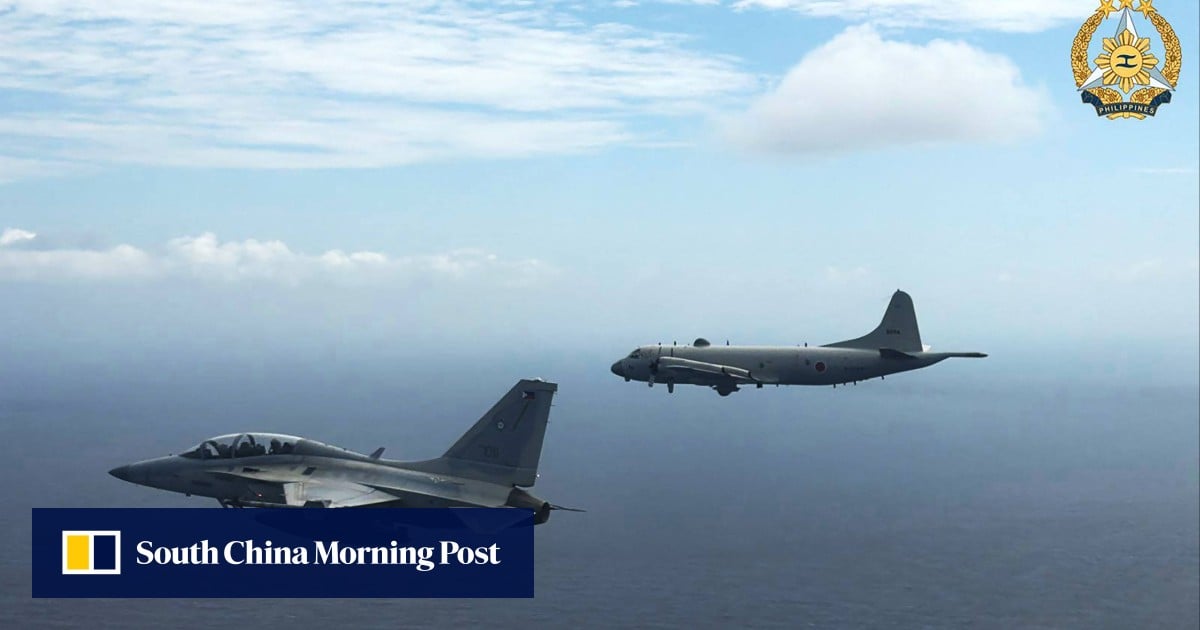
For survivors, activists and historians, Tokyo’s expanding security role in the Philippines has revived what one campaigner called “the elephant in the room” – the absence, in their view, of a formal state apology and official reparations for Japan’s wartime atrocities, especially the abuse of Filipino “comfort women”, who were forced into sexual slavery by the Japanese military.
For some, that unresolved history is reason enough to oppose Japan’s return in any military capacity.
Advertisement
“We oppose the return of Japanese troops on Philippine soil,” Sharon Cabusao-Silva, executive director and coordinator of the Lila Pilipina group of former “comfort women”, told This Week in Asia on Sunday.
In 1993, 18 members of the group filed a lawsuit at the Tokyo District Court demanding an official apology and compensation from the Japanese government.
Advertisement
It failed. Today, only 19 of the group’s original 200 members are alive.
Don't Miss:
-
US wraps up military mission in Iraq, giving Baghdad room to strengthen China ties
-
As China and the EU begin crunch trade talks, optimism is in short supply
-
Data centre opposition is growing in Australia. Is there a middle ground?
-
Helper arrested for allegedly slapping 5-year-old boy after he refuses to eat
-
Workers, mostly Indian, building US consulate in Milan agree to record settlement