
 France to try alleged Magnitsky Affair mastermind Dimitry Klyuev in absentia
  Canada revokes dozens of crypto firms’ registrations
  Questions swirl around US plans for record $15B Prince Group crypto seizure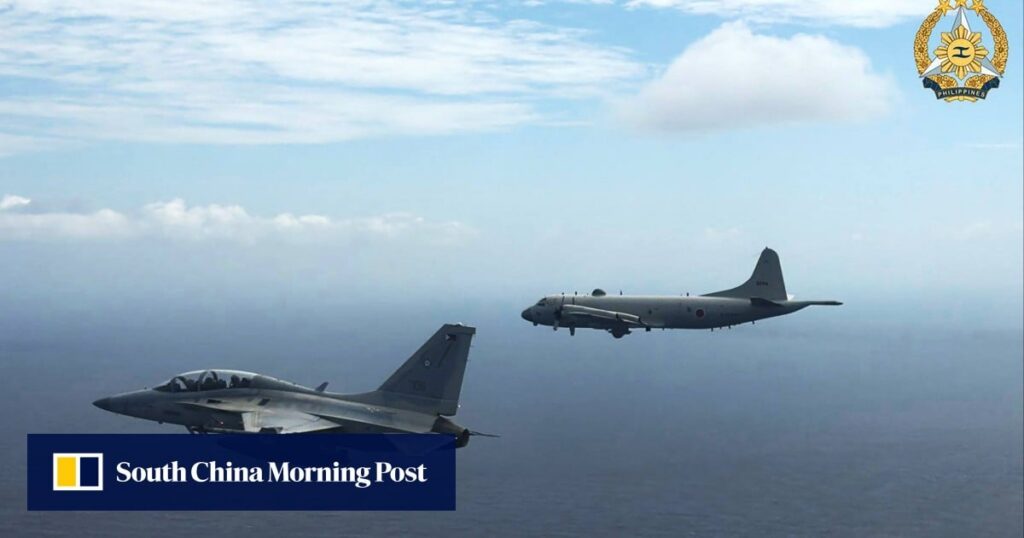
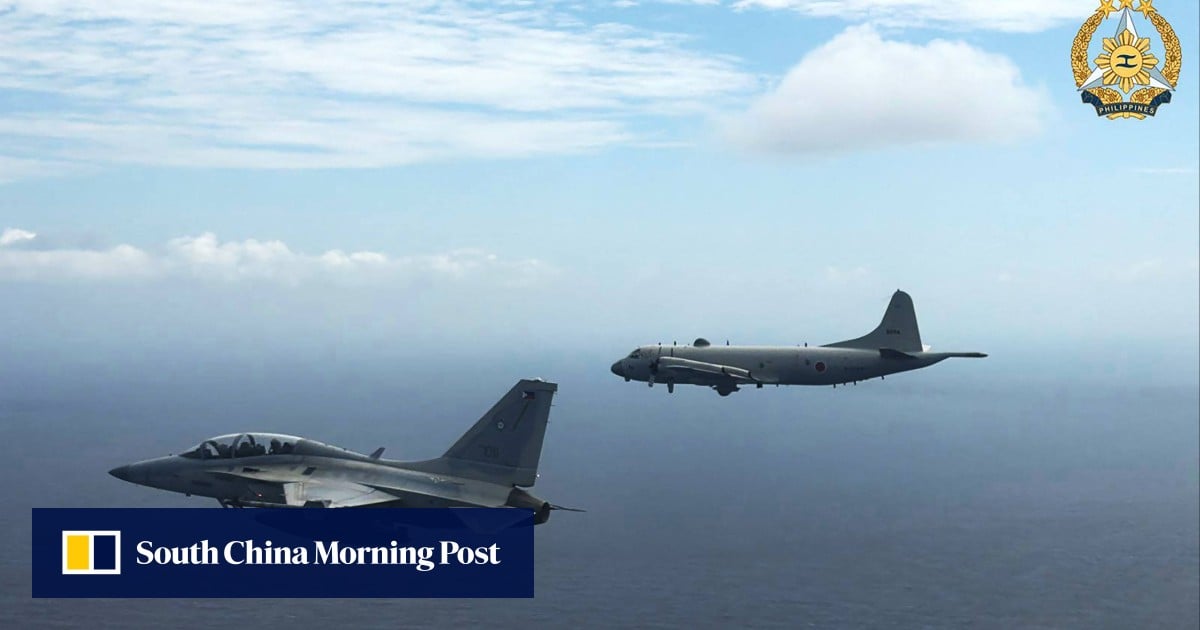
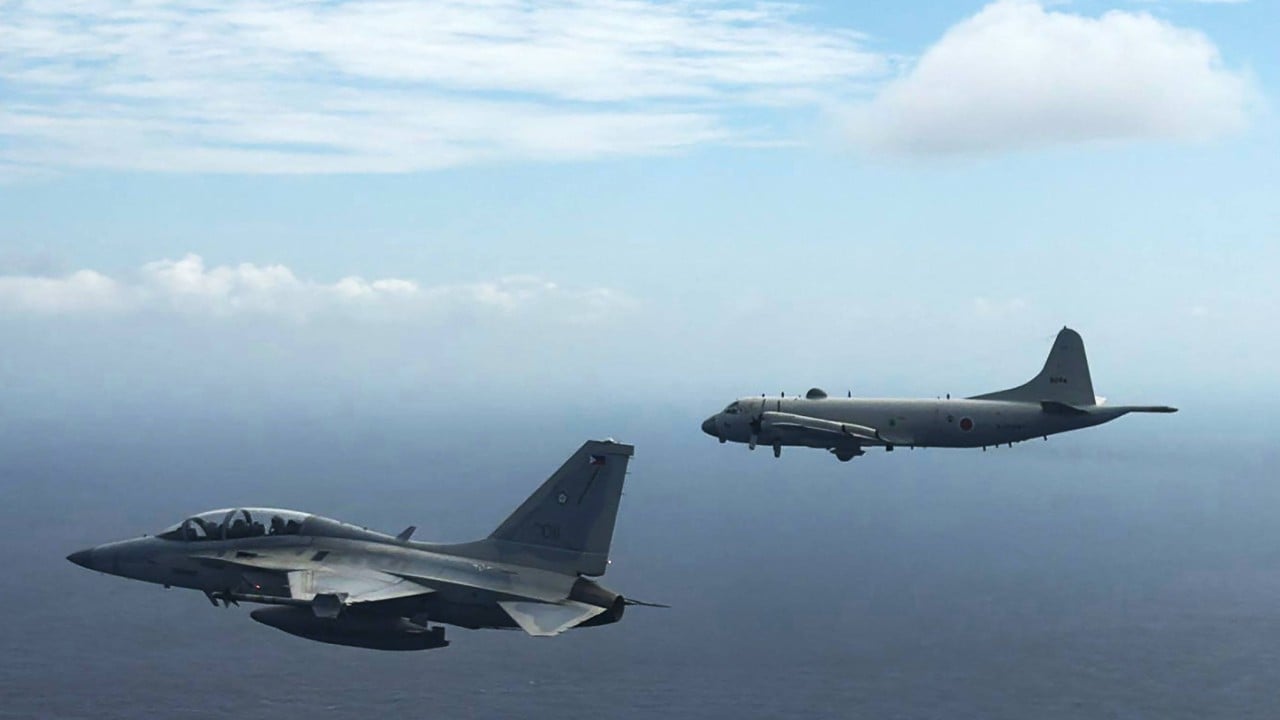
For survivors, activists and historians, Tokyo’s expanding security role in the Philippines has revived what one campaigner called “the elephant in the room” – the absence, in their view, of a formal state apology and official reparations for Japan’s wartime atrocities, especially the abuse of Filipino “comfort women”, who were forced into sexual slavery by the Japanese military.
For some, that unresolved history is reason enough to oppose Japan’s return in any military capacity.
Advertisement
“We oppose the return of Japanese troops on Philippine soil,” Sharon Cabusao-Silva, executive director and coordinator of the Lila Pilipina group of former “comfort women”, told This Week in Asia on Sunday.
In 1993, 18 members of the group filed a lawsuit at the Tokyo District Court demanding an official apology and compensation from the Japanese government.
Advertisement
It failed. Today, only 19 of the group’s original 200 members are alive.
Don't Miss:
-
Hong Kong’s IP hub ambitions require sustained investment, coordination: experts
-
Chinese coffee brands need more than low prices to compete with global players: analysts
-
Taylor Swift sued for trademark infringement over Life of a Showgirl album title
-
Iran’s Islamic republic will ‘collapse internally’, says Netanyahu
-
Born in the USA? China targeted in Trump’s birthright citizenship fight