
 The Taliban’s New War Begins at Home
  Panama removed from EU’s tax haven ‘blacklist’ a decade after the Panama Papers
  Crackdown and Controversy: The Battle Over Beach Bars and Noise in Phuket’s Bang Tao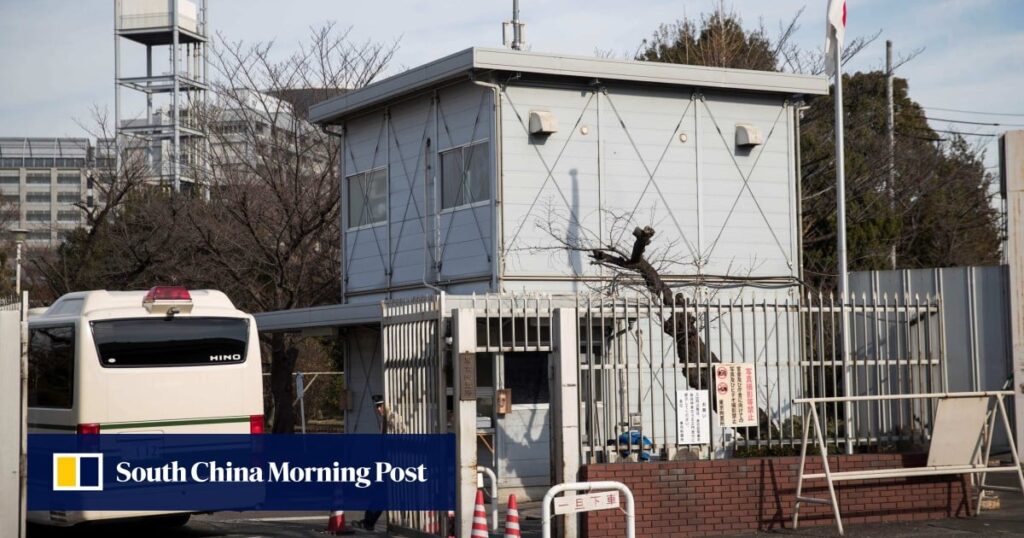
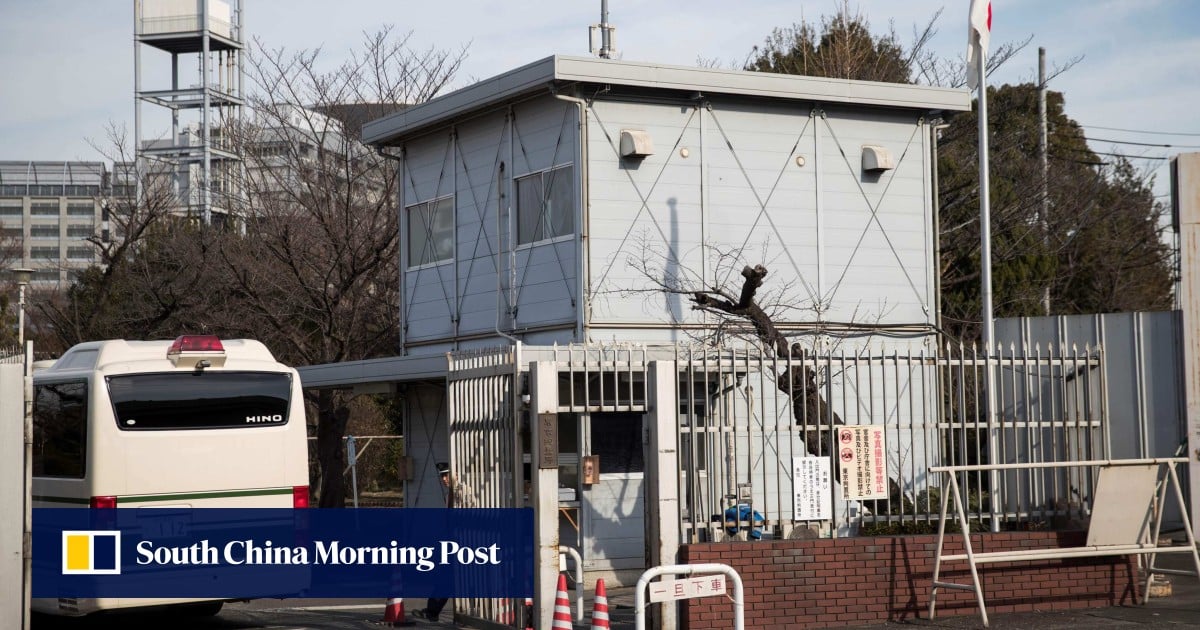
On June 25, the Osaka High Court ordered the government to pay 880,000 yen (US$5,400) in damages to the family of Vladimir Burgos Fujii, a Peruvian man of Japanese descent, who was injured while being restrained at the facility in Osaka in 2017.
Fujii died of pancreatic cancer at the age of 49 in 2023. His relatives attended subsequent hearings.
Observers say the harsh treatment of detainees such as Fujii reflects attitudes long embedded in Japan’s prison system, where for decades the emphasis has been on punishing inmates rather than rehabilitating them.
“Immigration detention centres are controlled by the Ministry of Justice, but the people who work in these places are not specialists. They are not trained to deal with foreigners and do not have the necessary language skills,” said Shinichi Ishizuka, founder of the Tokyo-based Criminal Justice Future think tank and a former criminal lawyer.
“A lot of them discriminate against people – foreigners and those from developing countries in particular.”
Don't Miss:
-
Drug Trafficking, U.S. Banks, and the Economic Reality Under Trump
-
Ivan’s Mob Beheads A Los Mayos Member
-
Ex-OFAC Official: The Cartel Risk Companies Can’t See | The InSight Take
-
Why Ecuador Is Losing Its Fight Against Organized Crime
-
‘El Cromo’ Arrested in Guadalajara; He Is Linked to a Group Affiliated with the CJNG