
 When Great Powers Talk, Who Speaks for Asia
  About the China Capital investigation
  Frequently asked questions about the China Capital investigation
 Unable to reach her parents, the 31-year-old factory worker turned to a nearby evacuation centre only to discover that Ku the chihuahua and Sheri the chihuahua-poodle mix were not welcome.
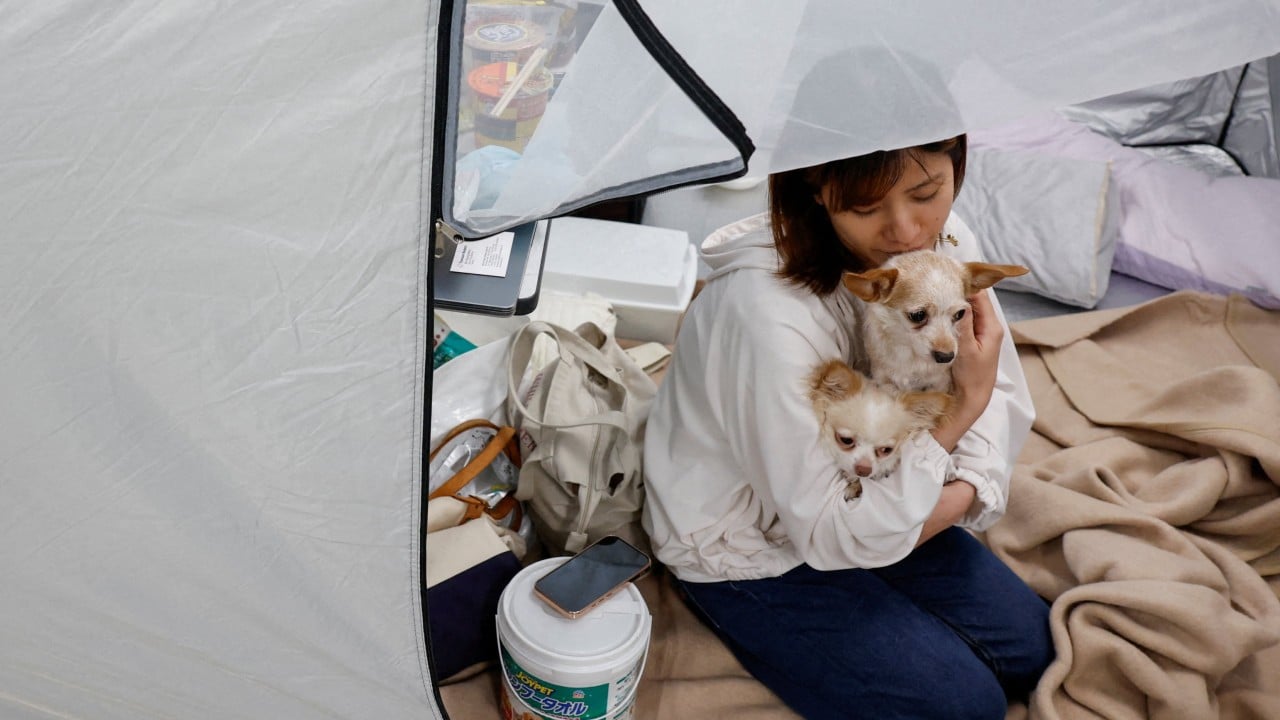
Faced with the choice of sheltering without them or staying together, she chose the latter, spending the first sweltering night crammed into her car with her canine family.
Eventually, social media posts led her to Ryunosuke Animal Hospital in downtown Kumamoto, which had converted classrooms in its veterinary nurse training school into temporary housing for evacuees, with separate rooms for owners of cats and dogs.
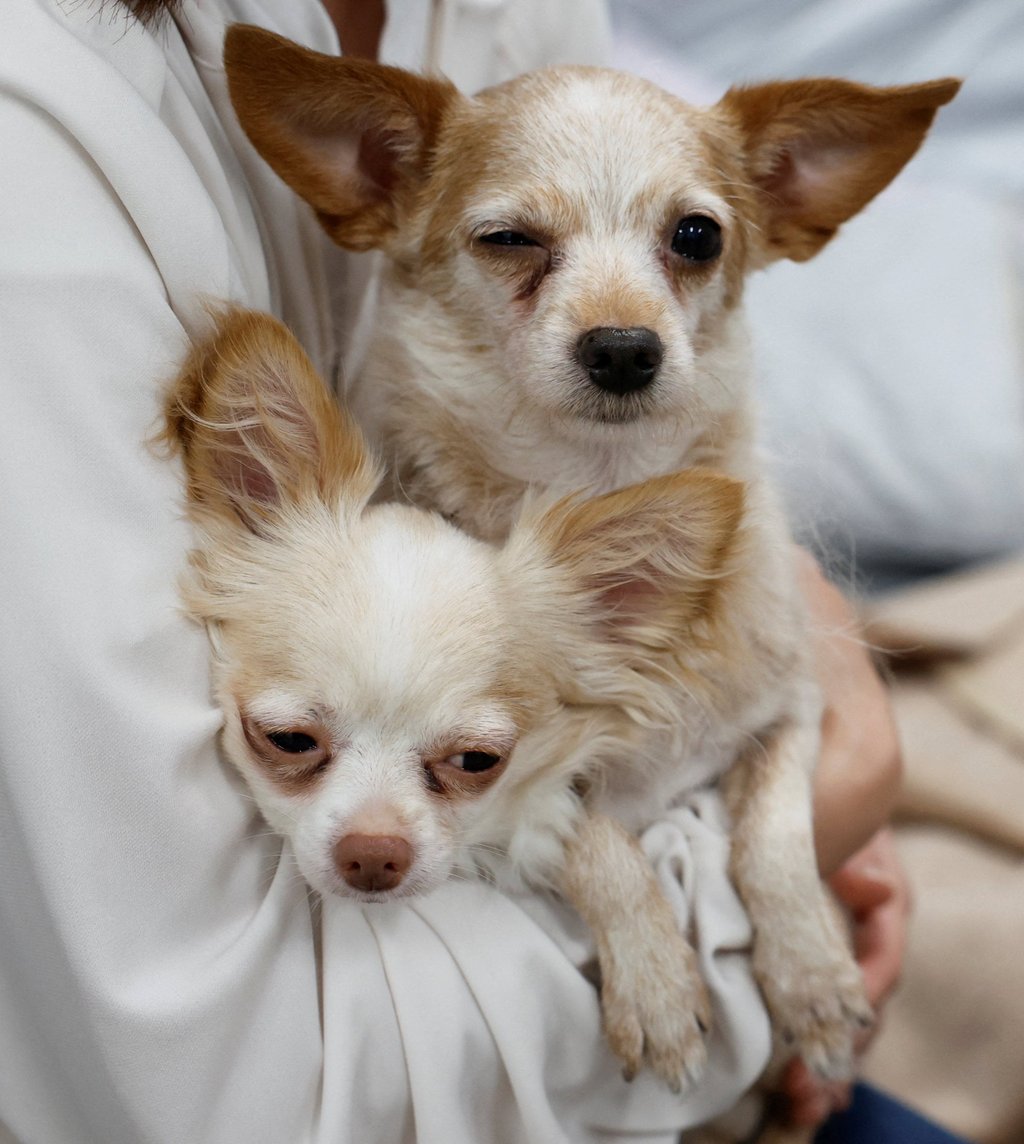
“During disasters it’s only natural for dogs and cats to stay together with their families. But people who don’t own pets don’t necessarily want to be with them,” hospital director Ryunosuke Tokuda said.
Don't Miss:
-
China urges ‘constructive dialogue’ with EU in high-level call with France
-
Hong Kong airport builds third runway with strategy to help marine environment thrive
-
Cambodia, Thailand take US$300 billion seabed dispute to UN
-
Hong Kong visitor arrivals hit post-pandemic monthly high in August
-
Indonesian finance minister found out about his firing in mid-meeting phone call