
 When Great Powers Talk, Who Speaks for Asia
  About the China Capital investigation
  Frequently asked questions about the China Capital investigation
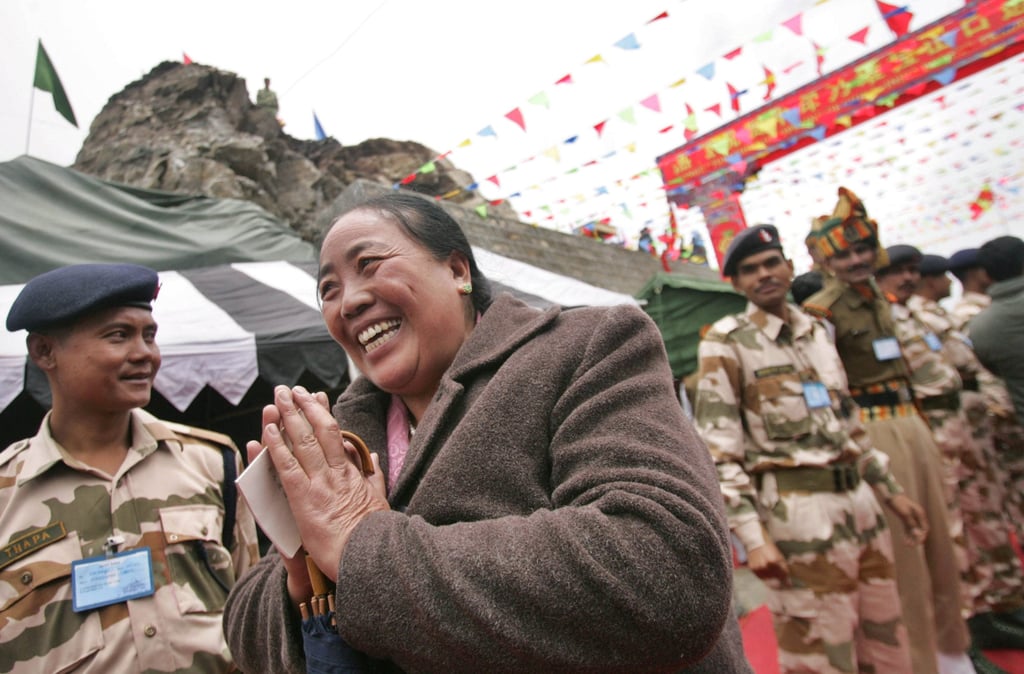
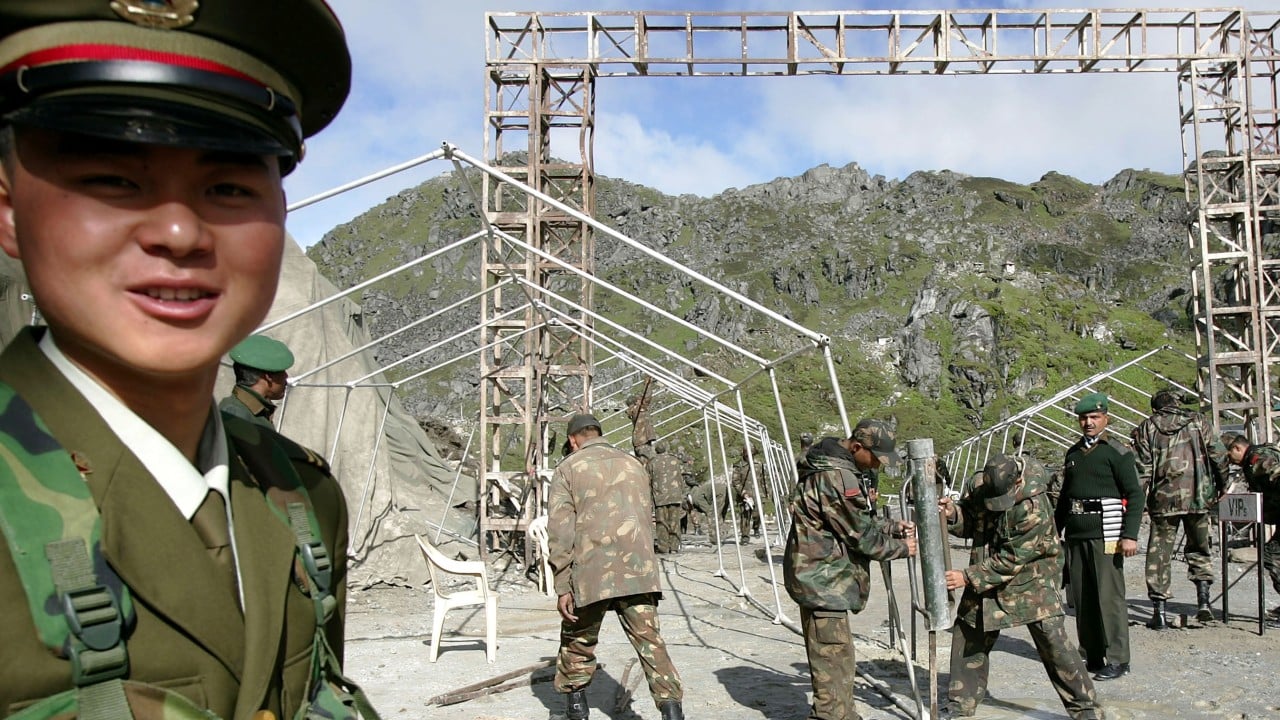
 High in the eastern Himalayas, where yak caravans once carried silk and salt between empires, a border crossing closed by suspicion six years ago is stirring back to life.
For the roughly 600 registered traders in Sikkim who used to depend on this ancient route, the reopening means a livelihood restored. For diplomats and analysts, it reflects a broader recalibration of ties between the two nuclear-armed neighbours.
Trade in those items was the result of an agreement signed in 2006 that reopened Nathu La for the first time since the 1962 India-China war.
But a field study last year by Himalayan researcher Sangay Lachenpa of Shiv Nadar University’s Centre of Excellence for Himalayan Studies found that many of the items listed in that agreement were no longer traded in any real quantities.
Don't Miss:
-
China urges ‘constructive dialogue’ with EU in high-level call with France
-
Hong Kong airport builds third runway with strategy to help marine environment thrive
-
Cambodia, Thailand take US$300 billion seabed dispute to UN
-
Hong Kong visitor arrivals hit post-pandemic monthly high in August
-
Indonesian finance minister found out about his firing in mid-meeting phone call