
 About the China Capital investigation
  Frequently asked questions about the China Capital investigation
  ICBC promoted corrupt executive, ignored employee misconduct as it pursued global expansion
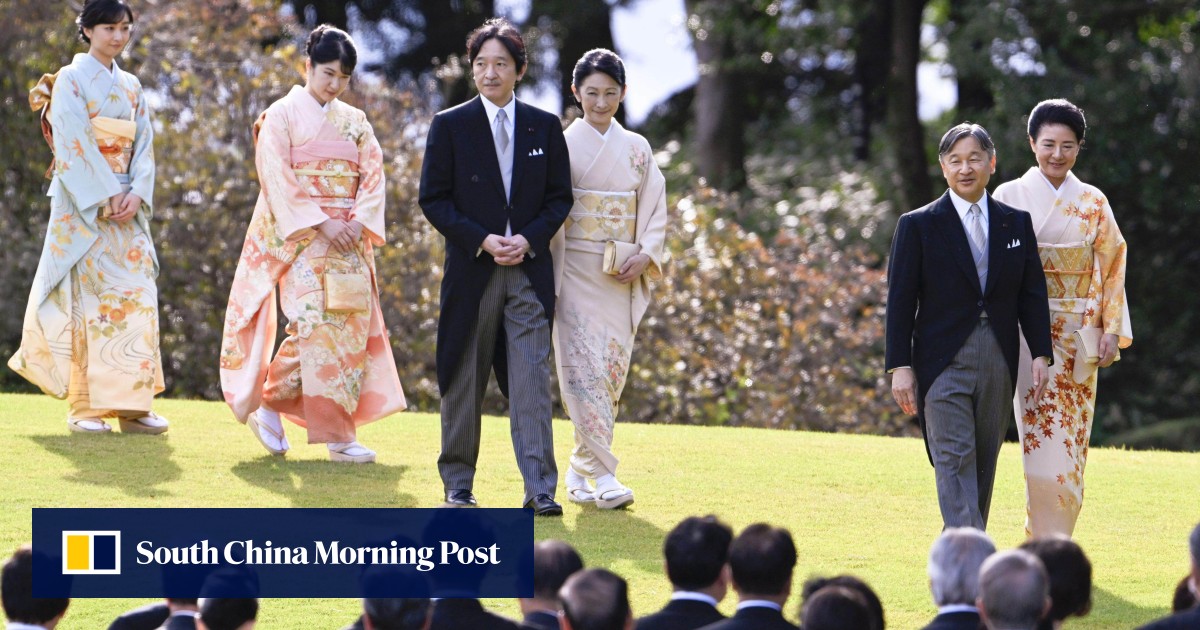
The first substantive revision to the 1947 law introduced two changes – permitting the adoption of males aged 15 and over from former branch families descended from emperors through the male line and allowing female members to retain their imperial status even after marrying commoners.
They also have criticised the Liberal Democratic Party and its junior coalition partner, the Japan Innovation Party, for their apparent push to preserve the tradition of male and paternal-line imperial succession. Under the revised law, male descendants of those adopted into the imperial family could ascend the Chrysanthemum Throne.
Such adoptions were once considered unfeasible. But the legal change approved by the House of Councillors paved the way for unmarried male descendants of the 11 former branch families that lost their royal status decades ago to join the current 16-member imperial family.
Imperial succession has been a pressing but divisive issue at a time when Japan has only three male heirs to Emperor Naruhito.
Don't Miss:
-
Zelensky says Ukraine is ready for ‘de-escalatory steps’ if Russia does the same
-
Huawei’s US trial puts jury to the test amid China, Iran links
-
Oil tanker has exploded in Strait of Hormuz, says Iran’s IRGC
-
Beijing threatens ‘serious consequences’ after Panama lawmakers support Taiwan
-
The classic Chinese parenting playbook won’t survive the AI age