
 When Great Powers Talk, Who Speaks for Asia
  About the China Capital investigation
  Frequently asked questions about the China Capital investigation
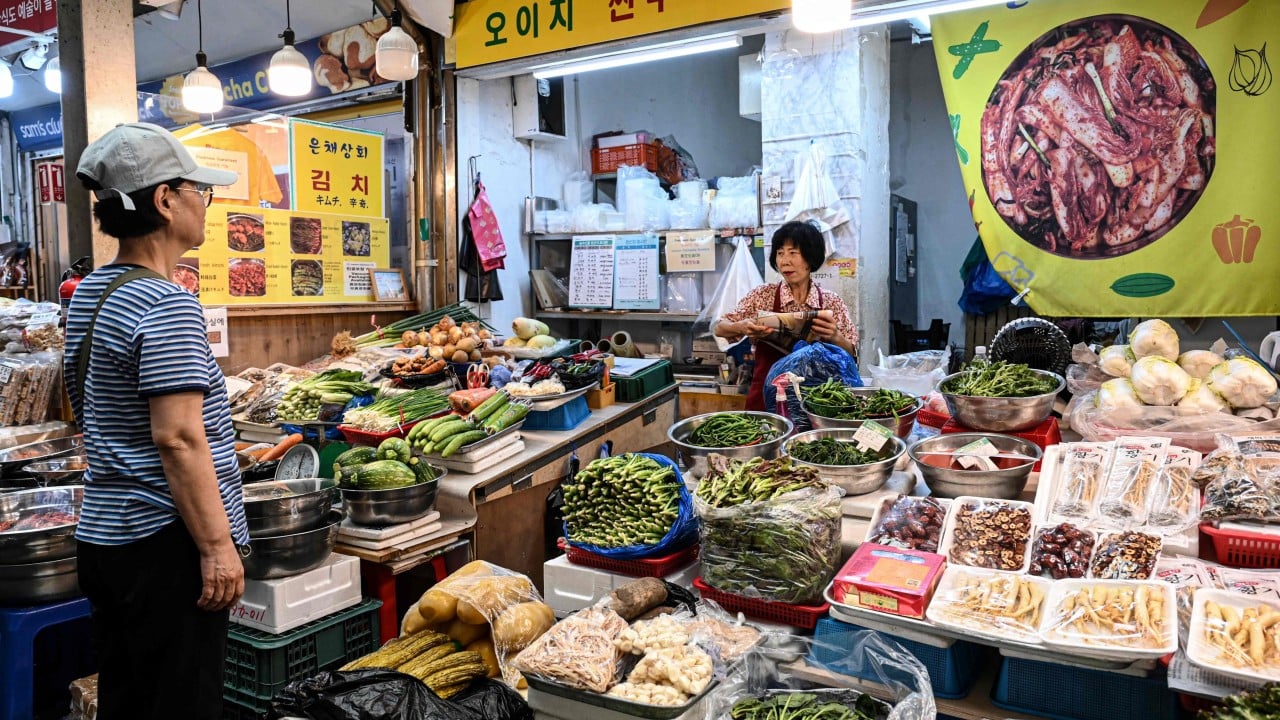
 As Southeast Asia emerges as one of South Korea’s most important trading regions, Seoul is positioning Vietnam as a logistics and distribution base for a wider push to turn the popularity of Korean culture into sustained demand for Korean food across the region.
But analysts said the strategy would depend on more than Hallyu-driven curiosity, with exporters needing to pair cultural appeal with cold-chain reliability, local adaptation and a clearer premium proposition for increasingly selective Southeast Asian consumers.
South Korea’s Ministry of Agriculture, Food and Rural Affairs said on July 7 that it had selected Vietnam as a regional hub for expanding the logistics, distribution and supply chains of Korean food exports to Southeast Asia, following the Asean K-Food Fair 2026 in Hanoi.
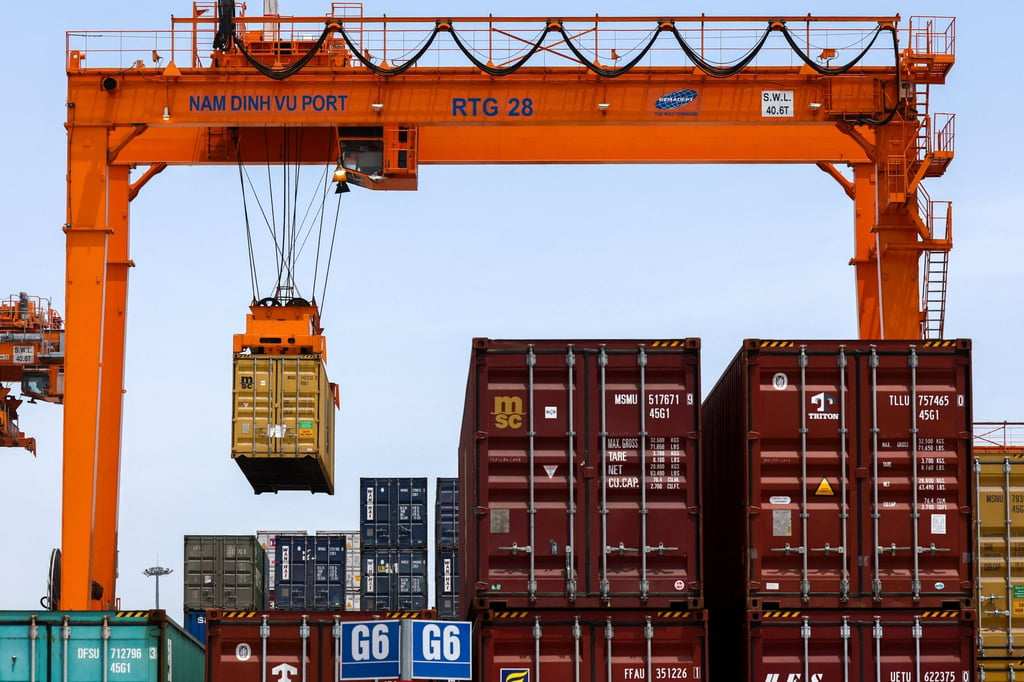
The plan includes a new multimodal logistics hub in Hanoi, built jointly by the ministry and the Korea Agro-Fisheries and Food Trade Corp – its distribution agency – to help Korean food exporters cut transport costs, preserve product quality and serve growing regional demand linked to the Hallyu wave.
The Hanoi hub will feature advanced systems to store and maintain the quality of fresh agricultural and livestock products, including rapid cooling and freezing rooms and cold-chain packaging.
Don't Miss:
-
China urges ‘constructive dialogue’ with EU in high-level call with France
-
Hong Kong airport builds third runway with strategy to help marine environment thrive
-
Cambodia, Thailand take US$300 billion seabed dispute to UN
-
Hong Kong visitor arrivals hit post-pandemic monthly high in August
-
Indonesian finance minister found out about his firing in mid-meeting phone call