
 Canada revokes dozens of crypto firms’ registrations
  Questions swirl around US plans for record $15B Prince Group crypto seizure
  Donate to ICIJ
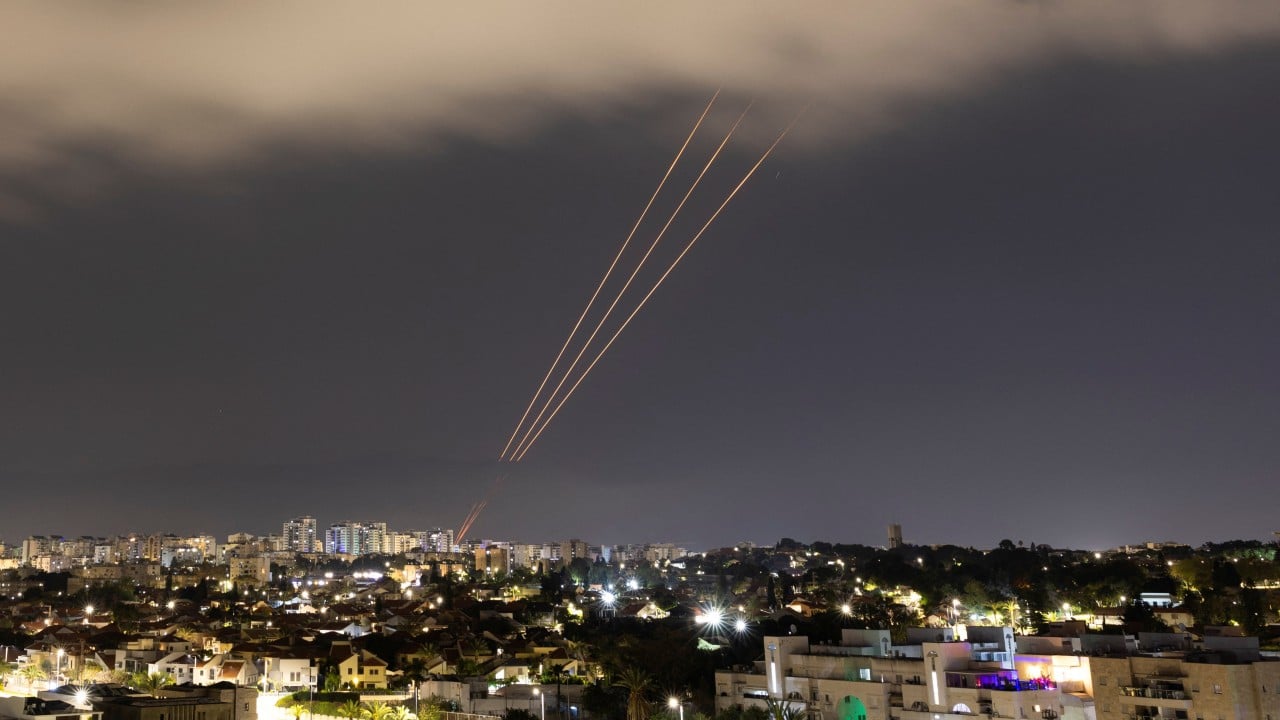
The ongoing war in the Middle East, particularly the “nearly insurmountable challenges” posed by Iran’s ballistic missiles to Israel, is exposing the limitations of existing midcourse and terminal-phase missile defence systems, according to an analysis in the March issue of Defence Review journal.
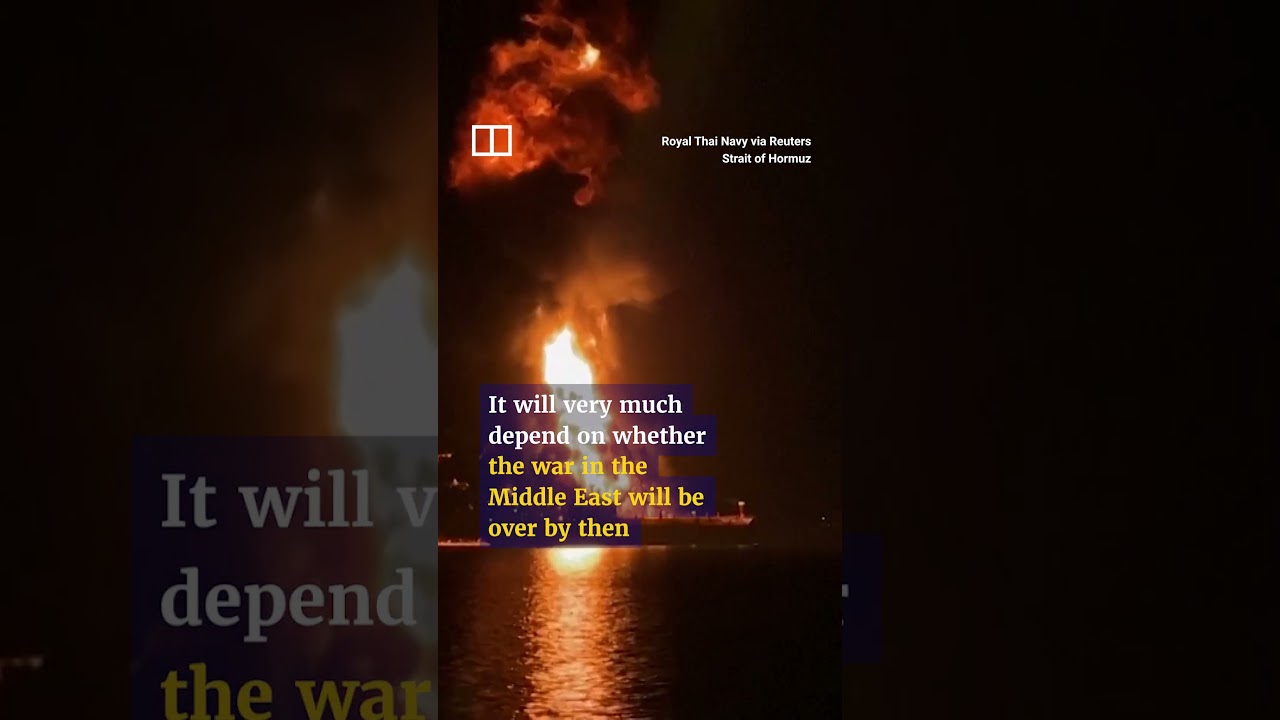
US says Trump’s China visit delayed until May because of Iran conflict
US says Trump’s China visit delayed until May because of Iran conflict
At the boost stage, ballistic missiles move more slowly, lack manoeuvrability and emit intense infrared heat signatures that are easier for interceptors to track. Additionally, if they were successfully neutralised, any debris or hazardous payload would fall on or near the launch area rather than on the territory of the defending side, thereby minimising collateral damage, the analysis said.
Advertisement
“China has long faced substantial missile threats…which currently remain extremely severe,” it said, stressing the need for a “comprehensive, multilayered missile defence network capable of covering all flight phases of incoming ballistic missiles”, referring to the boost, midcourse and terminal stages.
Advertisement
Meanwhile, in Taiwan’s arsenal, some indigenously developed systems and some US-supplied weapons, such as the Army Tactical Missile System (ATACMS), are capable of striking targets along the mainland coast, and even deep inland, the report said.
Don't Miss:
-
China threatens Mexico with trade reprisals over 50% import duties
-
Sex in space? Sperm struggles to navigate without gravity, scientists find
-
Police charge another 10 people over HK$1.6 billion JPEX cryptocurrency scandal
-
Can Donald Trump end his war on Iran in time for rescheduled China trip?
-
Knife-wielding man kills woman at Tokyo Pokemon shop before taking his own life