
 Tunisian court dismisses case to dissolve publisher of ICIJ partner Inkyfada
  Prabowo Faces Growing Discontent as Jokowi Revives His Political Ambitions
  Five years after the Pandora Papers, transparency laws lose their teeth
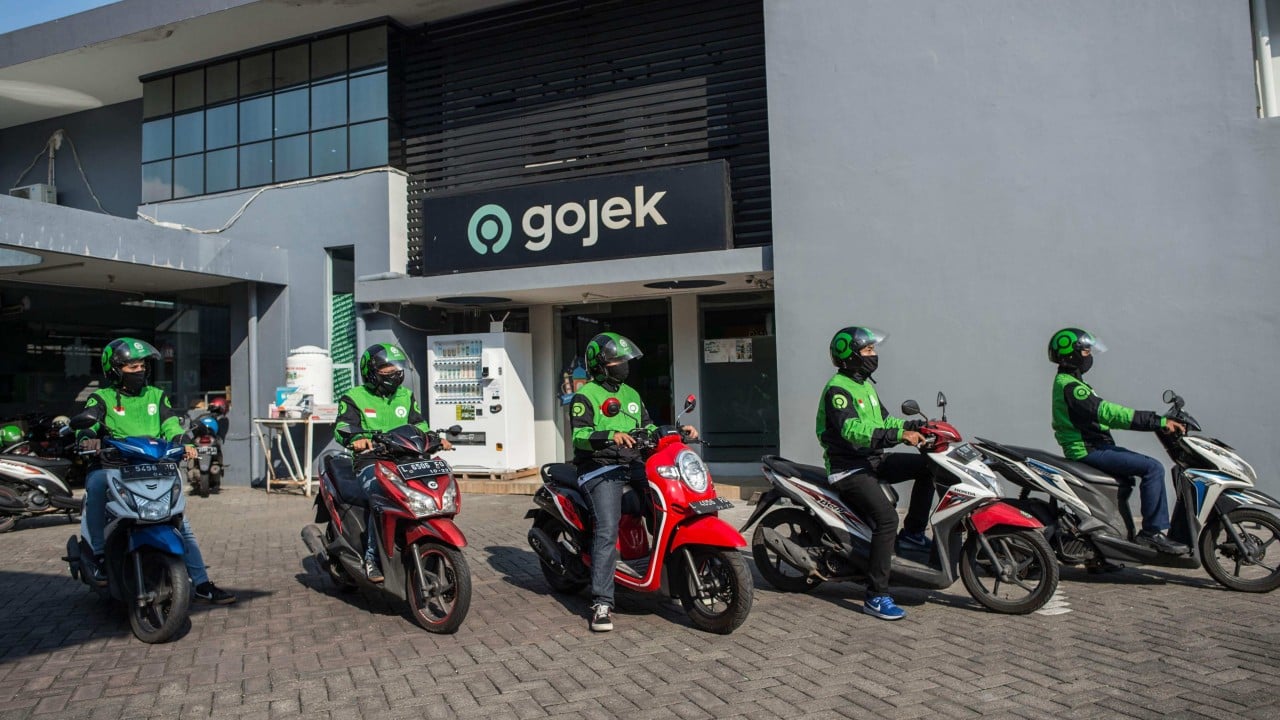
 The move could mark a significant shift in one of Southeast Asia’s biggest on-demand economies, where millions of drivers for platforms such as Gojek and Grab have become a highly visible labour force and, analysts say, a potent political bloc.
Last week, Prabowo announced a presidential decree that would lower the commission fees ride-hailing companies charge drivers for each order, from 20 per cent to 8 per cent.
Advertisement
Drivers would also get universal healthcare and work accident insurance, he said.
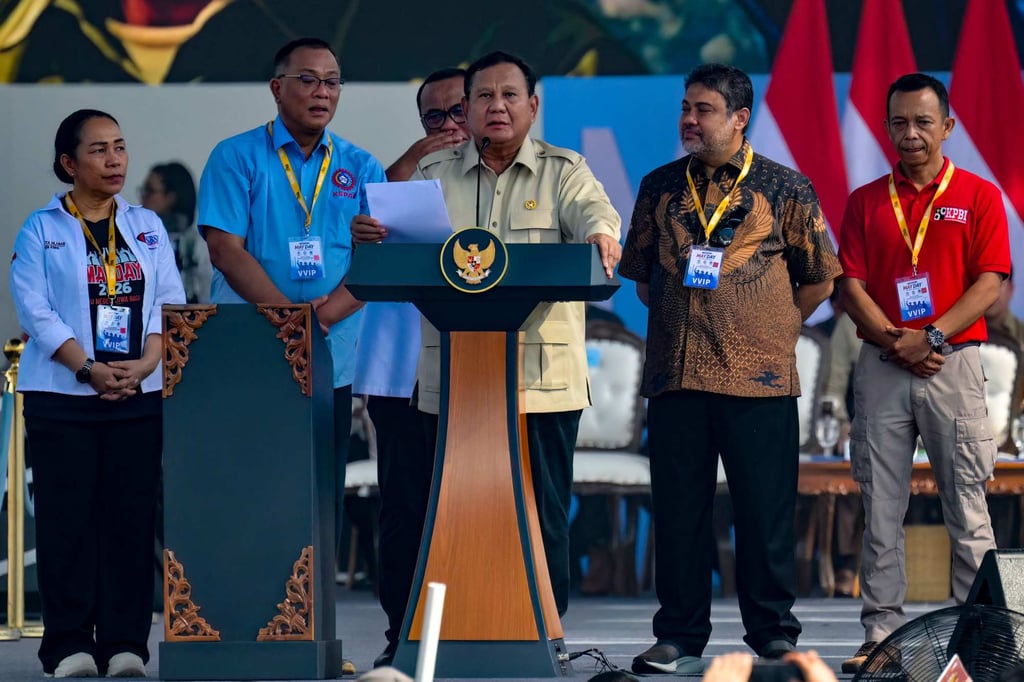
“It’s not right that you [drivers] are the ones sweating, but they [the companies] are getting the money. Sorry, if they [the companies] don’t want to comply, don’t bother doing business in Indonesia,” Prabowo said in front of drivers during a May Day rally in Jakarta on Friday.
Don't Miss:
-
Fight at Mazatlán Prison Leaves 10 Dead: A 2-Year-Old Boy Died During a Family Visit
-
Veracruz Mafia vs. CJNG: The Fight for Veracruz
-
Former Michoacán Official Used AI for Extortion: Here’s How They Cloned the Voices of Politicians and Ministers
-
Two Years On, the Sinaloa Cartel War Changes Shape | The InSight Take
-
US wraps up military mission in Iraq, giving Baghdad room to strengthen China ties