
 Tunisian court dismisses case to dissolve publisher of ICIJ partner Inkyfada
  Prabowo Faces Growing Discontent as Jokowi Revives His Political Ambitions
  Five years after the Pandora Papers, transparency laws lose their teeth
 The roll-out marked the start of mass production for the 4.5-generation fighter, with an initial 40 Block I units to be completed for the South Korean Air Force by 2028.
Advertisement
According to Bence Nemeth, a senior lecturer in defence studies at King’s College London and executive director of the King’s Centre for Defence Economics and Management, the KF-21 could be competitive in overseas exports but entered the market “late and in a crowded field”.
Nemeth said South Korea’s advantages were likely to be its cost, quality, delivery speed and willingness to offer industrial cooperation. But he added that procuring fighters was also about political alignment and wartime supply chain reliability.
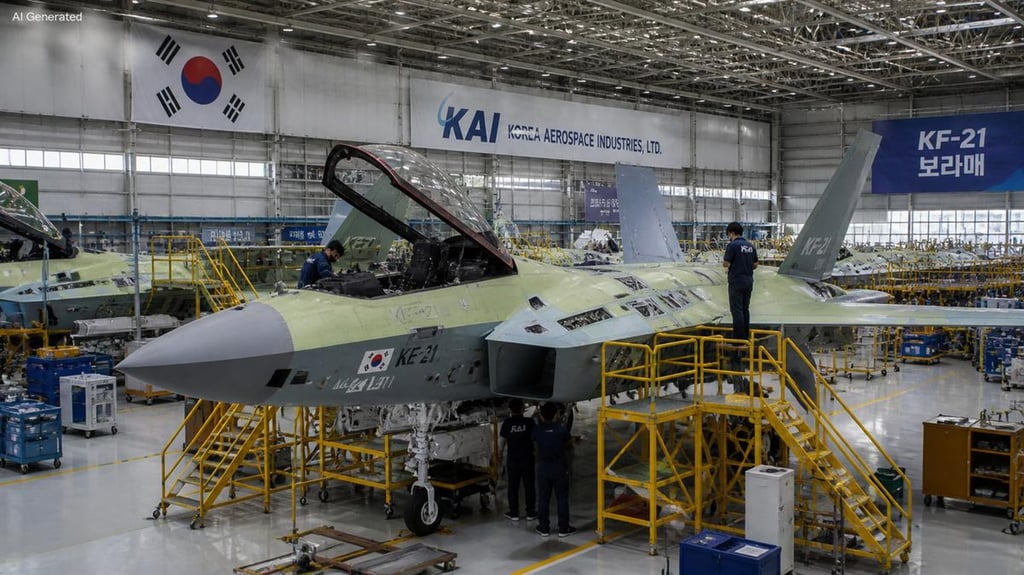
“The KF-21 will therefore need aggressive marketing and credible long-term sustainment guarantees,” Nemeth argued.
Don't Miss:
-
Fight at Mazatlán Prison Leaves 10 Dead: A 2-Year-Old Boy Died During a Family Visit
-
Veracruz Mafia vs. CJNG: The Fight for Veracruz
-
Former Michoacán Official Used AI for Extortion: Here’s How They Cloned the Voices of Politicians and Ministers
-
Two Years On, the Sinaloa Cartel War Changes Shape | The InSight Take
-
US wraps up military mission in Iraq, giving Baghdad room to strengthen China ties