
 The Taliban’s New War Begins at Home
  Panama removed from EU’s tax haven ‘blacklist’ a decade after the Panama Papers
  Crackdown and Controversy: The Battle Over Beach Bars and Noise in Phuket’s Bang Tao
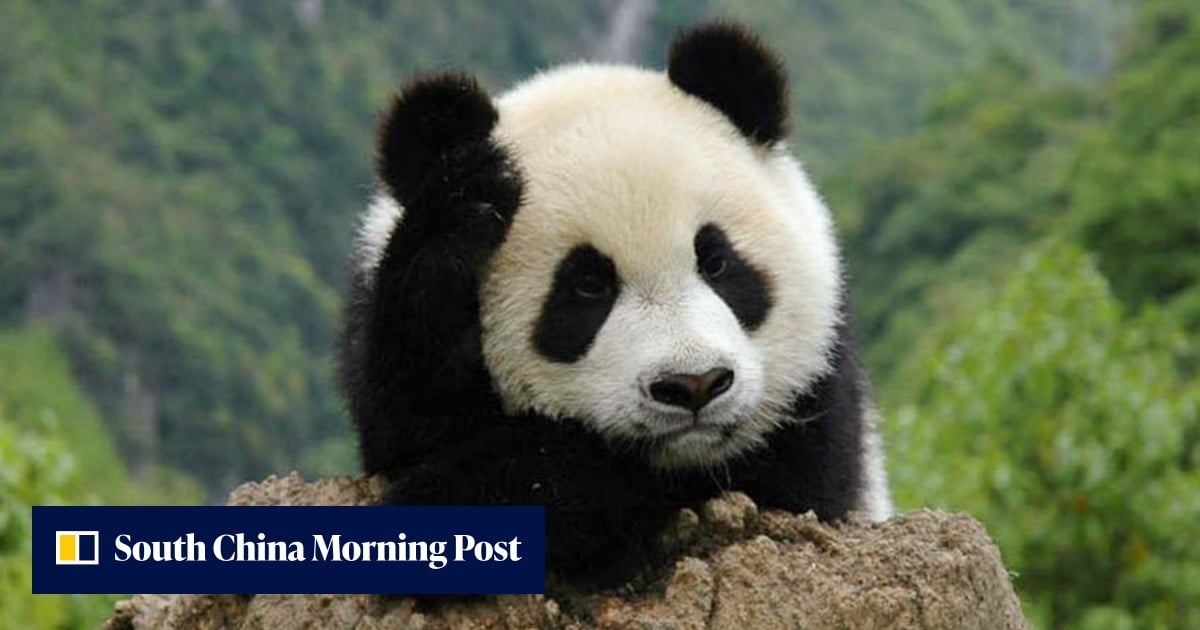
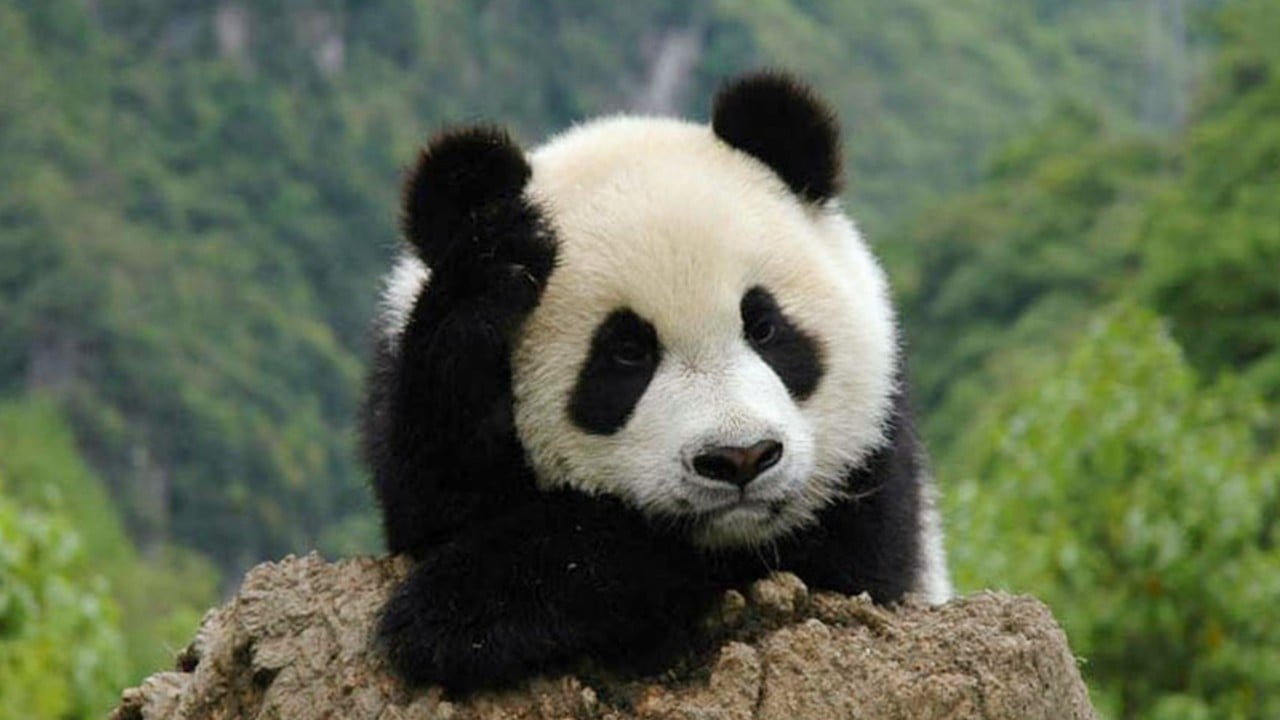
Friction between humans and wild animals at China’s Giant Panda National Park intensified significantly over the past decade as conservation efforts expanded, a new study has found.
Farmers reported increasing losses between 2015 and 2024 stemming from damage to property and crops as well as attacks on humans and livestock.
The team behind the study said the issue had become the most prominent challenge facing the park’s administrators.
The Giant Panda National Park covers 22,000 sq km (8,500 sq miles), two and a half times the size of Yellowstone in the United States, and officially opened in 2021.
The park, which spans the provinces of Sichuan, Shaanxi and Gansu, is now home to more than 1,300 wild giant pandas, 70 per cent of the total population.
Don't Miss:
-
Drug Trafficking, U.S. Banks, and the Economic Reality Under Trump
-
Ivan’s Mob Beheads A Los Mayos Member
-
Ex-OFAC Official: The Cartel Risk Companies Can’t See | The InSight Take
-
Why Ecuador Is Losing Its Fight Against Organized Crime
-
‘El Cromo’ Arrested in Guadalajara; He Is Linked to a Group Affiliated with the CJNG